

The hardest part of a trip to Nepal is not the visa or the ticket — it is the itinerary. How do you fit the Kathmandu Valley, Pokhara's lake, a jungle safari and a taste of the Himalayas into two weeks without running around like crazy? This page solves exactly that. I give you four ready-made itineraries — 7, 10, 14 and 21 days, day by day, with the transfers, the key stops and links to the detailed guides for each destination and trek. Choose based on two things: how many days you have, and what kind of traveller you are.
Before you choose: how many days and what kind of traveller you are
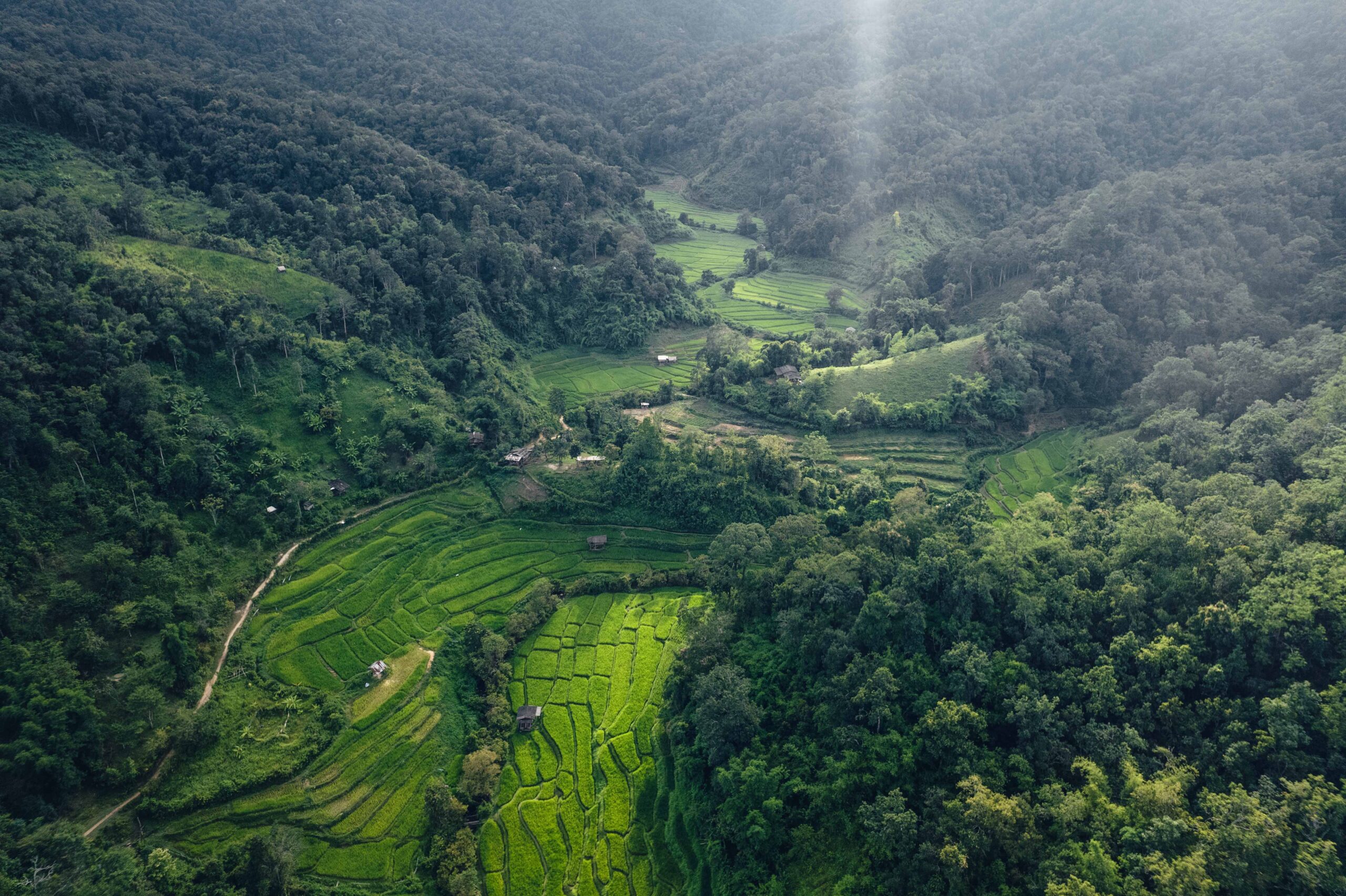
In an area smaller than Greece, Nepal hides three worlds: the Terai plain with its jungle in the south, the hills with the museum-cities in the middle, and the Himalayas in the north. How many of them you'll reach depends purely on your days. First rule: don't cram too much into too few days. A well-planned 10 days always beats a rushed 14.
| Traveller type | What you're after | Ideal itinerary |
|---|---|---|
| First time / culture & relax | Monuments, safari, lake, no altitude | 7 or 10 days |
| Balanced | A bit of everything + a taste of the Himalayas | 14 days with Poon Hill |
| Adventure / trekker | A major trek, altitude, challenge | 21 days with Everest Base Camp |
And a second factor: the season. Trekking itineraries want autumn (Oct–Nov) or spring (Mar–May) for clear skies. The purely cultural 7–10 day plans also work in winter at low altitude. If this is your first trip here, start with the complete guide to Nepal for visa, flights and budget, then come back here to build your plan.
The logic of distances
Before we dive into the itineraries, two things that shape every plan. The distance "triangle":
- Kathmandu → Pokhara: ~200 km. By tourist bus 6–7 hours (~8€–15€), by domestic flight just 25 minutes (~90€–130€). The flight is worth it if your days are few.
- Kathmandu / Pokhara → Chitwan: 5–6 hours by road from either. Chitwan sits conveniently "in the middle".
- Kathmandu → Lukla (the Everest gateway): by air only (~30 minutes), with frequent weather delays — which is why we always build in a buffer day.
The golden rule: schedule road transfers for the morning, and don't plan anything important for your departure day — domestic flights in Nepal shift with the weather.
7-day itinerary — The cultural trip (first time)
Few days, but enough to grasp the essence: the monuments of the Kathmandu Valley and the calm of Pokhara. No trekking, no altitude — ideal for a first contact or for anyone with just a week.
| Day | Programme |
|---|---|
| 1 | Arrive in Kathmandu, settle in, first stroll through Thamel. |
| 2 | UNESCO monuments: Swayambhunath (Monkey Temple), Boudhanath, Pashupatinath, Durbar Square. |
| 3 | Medieval cities: Bhaktapur and Patan — the most atmospheric squares in the valley. |
| 4 | Transfer to Pokhara (25′ flight or bus). Afternoon on Phewa Lake. |
| 5 | Sunrise at Sarangkot over Annapurna, World Peace Pagoda, boating on the lake, optional zipline or paragliding. |
| 6 | Return to Kathmandu, free time, shopping in Thamel. |
| 7 | Departure. |
Best for: first time, culture, couples with limited days.
10-day itinerary — The classic (Kathmandu – Chitwan – Pokhara)
The most popular plan and the most balanced for a first trip: monuments, a jungle safari and a lake, with no trekking. It ties Nepal's three worlds together at a pace that doesn't wear you out.
| Day | Programme |
|---|---|
| 1 | Arrive in Kathmandu, Thamel. |
| 2 | UNESCO monuments in the valley (Boudhanath, Swayambhunath, Pashupatinath). |
| 3 | Bhaktapur and Patan, the medieval Durbar Squares. |
| 4 | Road transfer to Chitwan National Park. Afternoon in a Tharu village. |
| 5 | Jeep safari, canoe on the river, rhinos — with a little luck, a Bengal tiger too. |
| 6 | Morning safari, transfer to Pokhara (5–6 hours). |
| 7 | Sunrise at Sarangkot, Phewa Lake, World Peace Pagoda. |
| 8 | Pokhara activities: paragliding, caves, or a short hike to Australian Camp. |
| 9 | Return to Kathmandu (flight), shopping, farewell dinner. |
| 10 | Departure. |
Best for: a first trip that wants "a bit of everything", families, couples. Want to add Lumbini, the birthplace of the Buddha? It sits near Chitwan and asks for one extra day.
14-day itinerary — The balanced plan (with a Poon Hill trek)
Here the Himalayas enter the frame, but wisely. Poon Hill / Ghorepani is the ideal first trek: 4–5 days, max altitude 3,210 m, one of the most legendary sunrises over Annapurna and Dhaulagiri — without the risk of serious altitude sickness. It pairs perfectly with culture and safari.
| Day | Programme |
|---|---|
| 1 | Arrive in Kathmandu. |
| 2 | UNESCO monuments in the valley. |
| 3 | Transfer to Pokhara, trek preparation. |
| 4 | By road to Nayapul, start trekking toward Ulleri / Tikhedhunga. |
| 5 | Ascent to Ghorepani through rhododendron forests. |
| 6 | Sunrise at Poon Hill (3,210 m), descent to Tadapani. |
| 7 | Trek to the picturesque village of Ghandruk, return to Pokhara. |
| 8 | Rest in Pokhara: lake, massage, free time. |
| 9 | Activities (paragliding) or a relaxed day. |
| 10 | Road transfer to Chitwan. |
| 11 | Full-day jungle safari. |
| 12 | Return to Kathmandu. |
| 13 | Free day / buffer, shopping, Bhaktapur. |
| 14 | Departure. |
Best for: anyone who wants it all in one trip. Before you go, see what to pack and read up on altitude sickness — even at 3,210 m the basics are worth knowing. Want a bigger trek than Poon Hill? Upgrade to Annapurna Base Camp (7–10 days, 4,130 m) and save Chitwan for next time.
21-day itinerary — The big one (adventure & Everest Base Camp)
Three weeks is the time for most people's dream: Everest Base Camp (5,364 m, with Kala Patthar at 5,545 m), plus a taste of Pokhara and Chitwan at the end to wind down. Demanding but achievable with proper acclimatization. The buffer days here aren't a luxury — they're essential for the Lukla flights.
| Day | Programme |
|---|---|
| 1 | Arrive in Kathmandu. |
| 2 | UNESCO monuments, final trek supplies in Thamel. |
| 3 | Flight to Lukla, trek to Phakding. |
| 4 | Ascent to Namche Bazaar (3,440 m). |
| 5 | Acclimatization day in Namche. |
| 6 | To Tengboche, with its monastery and views of Ama Dablam. |
| 7 | To Dingboche (4,410 m). |
| 8 | Second acclimatization day. |
| 9 | To Lobuche (4,940 m). |
| 10 | Gorak Shep → Everest Base Camp (5,364 m). |
| 11 | Sunrise at Kala Patthar (5,545 m), start the descent to Pheriche. |
| 12 | Descend to Namche. |
| 13 | Return to Lukla. |
| 14 | Flight to Kathmandu. |
| 15 | Buffer (Lukla weather) / rest, an easy day in the city. |
| 16 | Flight to Pokhara. |
| 17 | Relax in Pokhara: the lake, a massage, coffee with a view of the mountains you just conquered. |
| 18 | Transfer to Chitwan. |
| 19 | Full-day safari. |
| 20 | Return to Kathmandu. |
| 21 | Departure. |
Best for: experienced travellers and trekkers who want the big prize. Be sure to read first about altitude sickness and trekking permits. Prefer a circuit over Everest? The Annapurna Circuit is equally epic.
The four itineraries at a glance
| Itinerary | Best for | Trekking | Pace |
|---|---|---|---|
| 7 days — Cultural | First time, relaxation | No | Relaxed, no altitude |
| 10 days — Classic | "A bit of everything" | Optional | Balanced, with a safari |
| 14 days — Balanced | Culture + Himalayas | Poon Hill (3,210 m) | Full days, easy trek |
| 21 days — Adventure | Trekkers, a challenge | Everest Base Camp (5,364 m) | Demanding, with acclimatisation |
To all of these you add the Athens–Kathmandu flight (~430€–800€ round-trip, one stop, ~12–18 hours). The rest of the cost is set per trip, depending on the season, the group and the programme. Ask us for a quote.
Five tips to keep your plan from falling apart
- Always build in one buffer day before your return flight — especially if the trip involves Lukla or any internal flight.
- Don't skip acclimatization. On treks above 3,000 m, adjustment days aren't "wasted" — they're what get you to the top healthy.
- Keep cash for the mountains. Above Pokhara or Namche, ATMs are rare — withdraw rupees before you set off.
- Morning transfers. Buses and flights are more reliable in the morning; afternoon weather in the Himalayas is unpredictable.
- Fewer, but better. Two destinations with time beat four in a rush.
Would rather not deal with the planning at all?
These itineraries are designed for you to do yourself — and you can. But if you'd rather travel in a group with everything organised, take a look at our group trip to Nepal: pre-booked stays, a Greek-speaking host, a ready-made programme built exactly on this logic.
And if you want something entirely your own — private, premium, with hand-picked stays, a private guide and zero worries about permits, domestic flights and logistics — that's where Elysian Himalaya comes in. It's our premium partnership for tailor-made Himalayan journeys, with a Greek point of contact and a team on the ground. Send us your days and the kind of trip you want, and we'll come back with an itinerary made to measure. Whether you travel with a backpack or with full support, nepal.gr is your Greek starting point.
Choose your days, choose your type, and Nepal does the rest. All that's left is to book the ticket.
Gallery
Frequently asked questions
- The realistic minimum is 7 days for Kathmandu and Pokhara. Ten days add Chitwan, 14 add a short trek (Poon Hill), and 21 add a major trek like Everest Base Camp. Don't cram too much into too few days.
- The 10-day classic (Kathmandu – Chitwan – Pokhara) is ideal for a first trip: culture, safari and lake, with no altitude and no demanding trek. If you want a taste of the Himalayas, the 14-day with Poon Hill is the next step.
- Not mandatory, but they help. The Kathmandu–Pokhara flight (~90€–130€, 25 minutes) saves a 6–7 hour bus. For Everest Base Camp the flight to Lukla is almost unavoidable — and always needs one buffer day for weather.
- There is no fixed price per itinerary. The cost is shaped by the season, the size of the group, the length, whether a trek is included and which one, the domestic flights and the comfort level of the accommodation. The one item fixed and known in advance is the flight from Greece (430€–800€). Tell us which itinerary interests you and we will send you a quote through our contact page.
- Yes — and that is exactly why Nepal stands out. From 14 days upward all three fit comfortably: Kathmandu Valley for monuments, Chitwan for safari, and an Annapurna trek for the Himalayas.
- Autumn (Oct–Nov) and spring (Mar–May) for the trekking itineraries. Winter works fine for the cultural 7–10 day plans at low altitude. Avoid the monsoon (Jun–Sep) if the trip includes the mountains.
Keep reading
Related articles
 Articles
The biggest help you can give Nepal is to visit
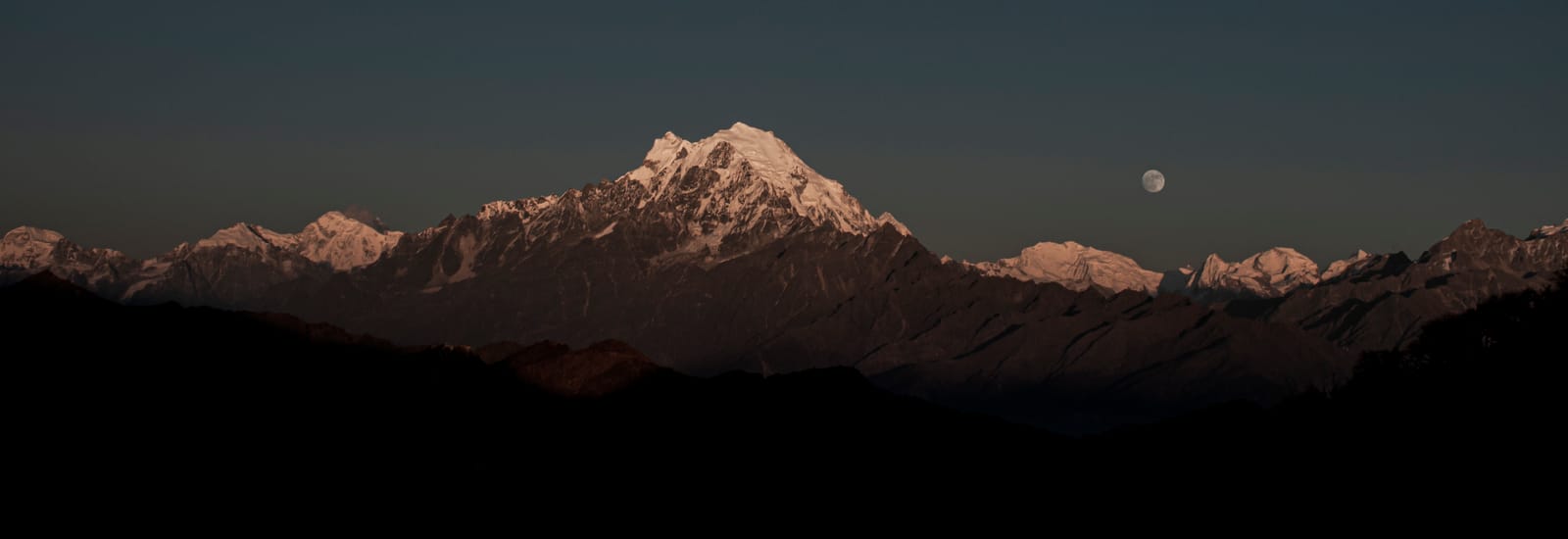
On 26 August 2026 a piece of mountain turned into water and took villages, bridges and more than a thousand lives with it. I have lived here for fifteen years. Here is what happened, what is open, how you can help today, and why your trip in October is the biggest help of all.
 Travel
Nepal – On Top of the World | 10 Days, 8 Nights
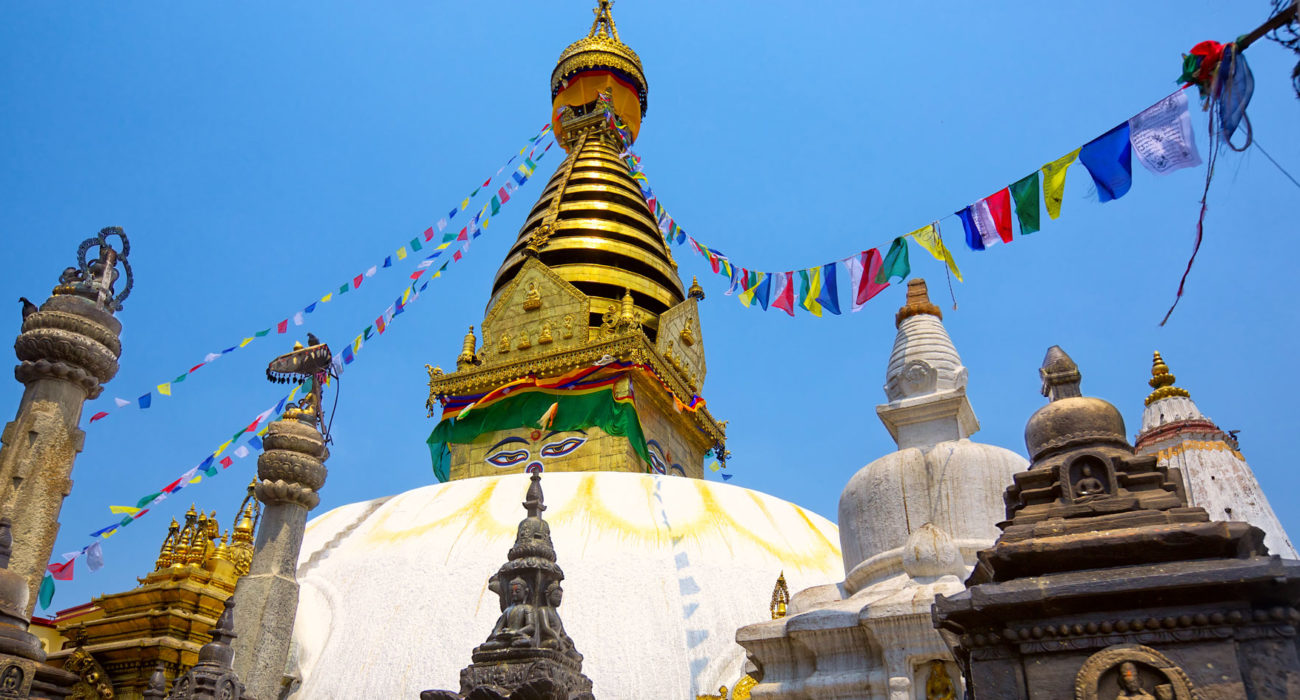
Our 10-day / 8-night group tour of Nepal — Kathmandu, Chitwan and Pokhara — with a Greek-speaking host and a full day-by-day itinerary.
 Travel
Nepal with Children: A Practical Family Travel Guide
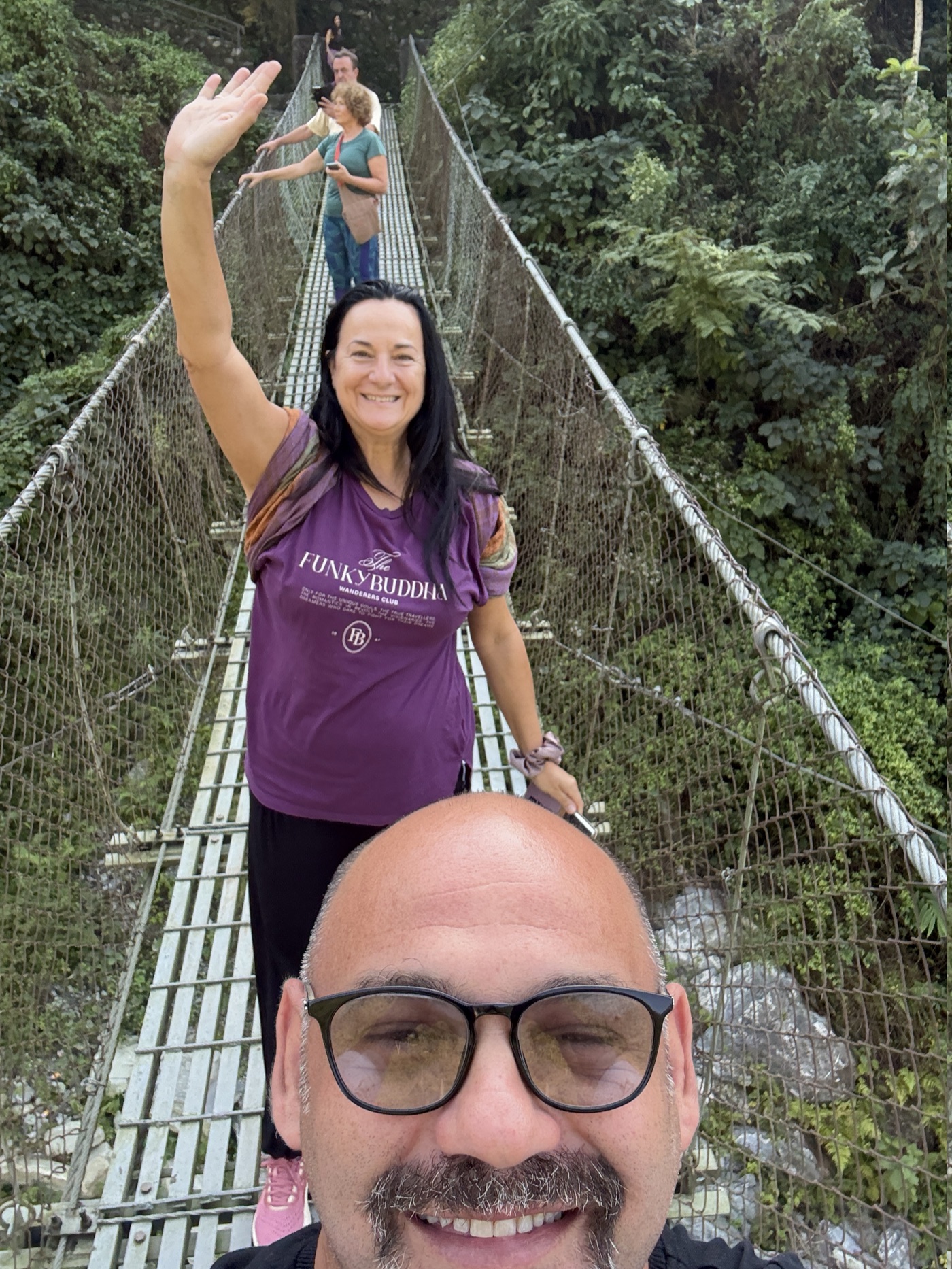
Which age works best, what pace to keep, which low-altitude route delivers, and when a trek is simply not the right call for a family with kids in Nepal.