

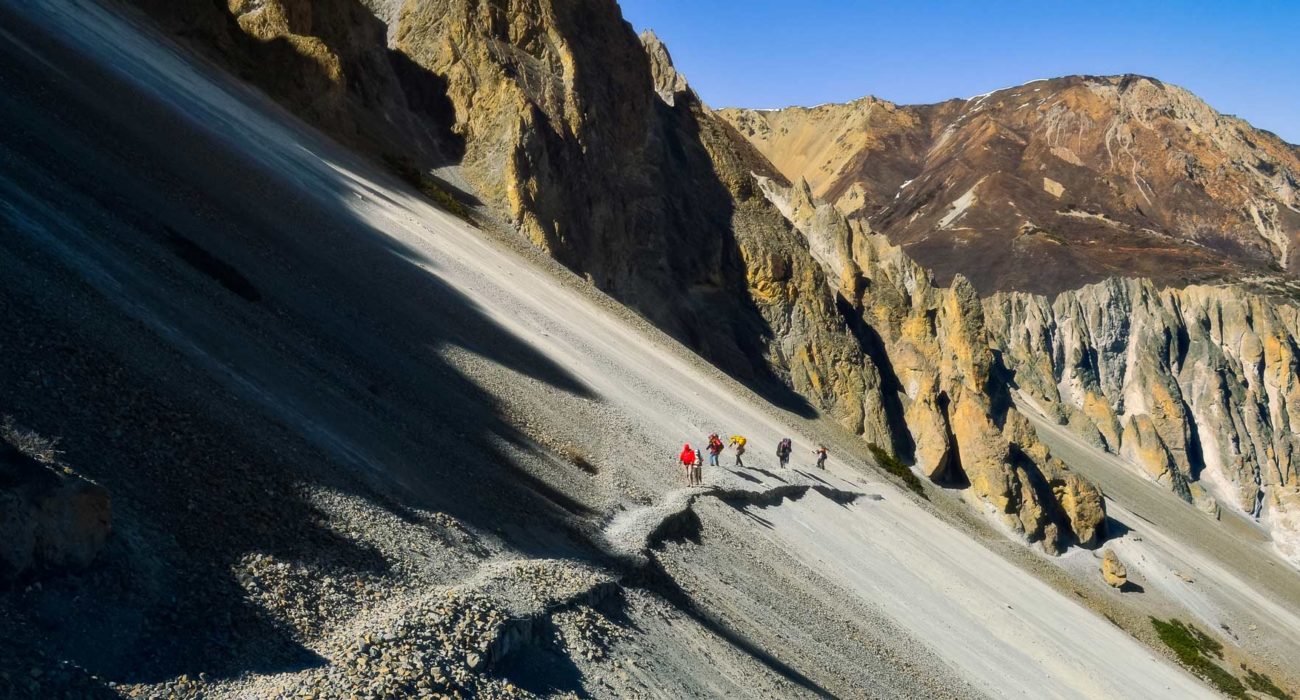
The most common mistake first-time Himalayan trekkers make is one of two things: they carry far too much, or they bring the wrong gear. The truth is that for a classic teahouse trek — Annapurna Base Camp or Everest Base Camp — you don't need Everest-summit expedition kit. You need smart, light, tested gear that keeps you warm and dry at 4,000–5,500 metres.
This guide is the list I wish I'd read before my first trip. It's broken down by category, with real numbers (costs in euros and rupees), a clear split between what's worth bringing from home and what you can rent or buy dirt-cheap in Kathmandu's Thamel district, and a ready-to-print checklist at the end.
The golden rule: the layering system
In the Himalayas the temperature swings dramatically within a single day. You start the morning with ice in your water bottle, climb sweating under the midday sun, and by evening it plunges well below freezing. You don't handle those swings with one thick jacket — you handle them with three layers you add and remove throughout the day.
| Layer | Job | What to bring |
|---|---|---|
| Base layer | Wicks sweat off your skin | 2 long-sleeve merino wool or synthetic tops. Never cotton — it holds moisture and freezes you. |
| Mid layer | Insulation, holds warmth | 1 fleece or a light down/synthetic puffy. |
| Outer layer | Wind and rain protection | 1 waterproof/windproof hardshell jacket with a hood. |
The same applies to your legs: a stretchy base-layer/legging under your trekking trousers for cold days, plus a pair of waterproof overtrousers for rain or snow. With 2–3 layers you comfortably cover everything from +20°C in the valley to −15°C at base camp.
Footwear and feet — this is where the trek is won or lost
No piece of gear matters more than your footwear. A blister on day three can ruin the whole trip.
- Hiking boots: semi-stiff, waterproof (Gore-Tex), above the ankle for support on rough trails. The single most important rule: break them in 3–4 weeks beforehand, over 40–50 km of walking, so they mould to your foot. Brand-new boots = guaranteed blisters.
- Socks: 3–4 pairs of merino wool. Add 1–2 thin liner socks worn underneath to reduce friction.
- Sandals/crocs: a light pair to rest your feet at the teahouse in the evening.
- Gaiters: optional, useful in snow or mud above 4,000m in spring.
- Blister tape (Compeed/moleskin): don't set off without it.
Sleeping bag — don't underestimate the nights
Teahouses provide blankets, but at 4,000m and above the nights are freezing and blankets aren't enough. You need your own sleeping bag with a comfort rating of −10°C to −15°C for ABC/EBC in spring or autumn. The key figure is the comfort rating, not the inflated extreme/limit number printed for marketing.
Add a liner (inner sheet) of silk or fleece: it adds 3–5°C of warmth and keeps the bag clean. If you don't want to invest in your own, you can easily rent one in Thamel (see below).
Down jacket — the luxury that's a necessity
The thick down jacket isn't for walking — it's for the freezing hours when you sit still: the morning before you set off, the evening in the teahouse dining room, and at sunrise on Kala Patthar or at ABC. A jacket with 600+ fill power is ideal. Along with the sleeping bag, it's the easiest item to rent in Kathmandu rather than carry.
Electronics and power
In the mountain villages electricity is expensive and not always available. Teahouses higher up charge NPR 200–500 (€1.5–3.5) per device to charge, and WiFi costs another NPR 200–600. The solution:
- 20,000 mAh power bank (or two): charge your phone/camera as you climb without paying.
- Adapter: Nepal uses type C/D/M sockets — bring a universal adapter.
- Headlamp + spare batteries: essential for pre-dawn departures and night trips to the toilet. The cold drains batteries fast.
- eSIM or local SIM (NTC): NTC has better trail coverage — 4G reaches ABC and above Namche.
- Keep power banks and lithium batteries in your carry-on on the plane, never in the checked duffel.
Travel first-aid kit
There are no pharmacies in the mountains. A small, organised kit saves you a lot of trouble. Consult your doctor before you leave, especially about Diamox (acetazolamide) for altitude sickness.
- Diamox 125mg — prevention/treatment of altitude sickness (twice daily, starting 1–2 days before altitude). First read up on altitude acclimatisation.
- Painkillers (paracetamol, ibuprofen) — also for altitude headache.
- Anti-diarrhoeals (loperamide) + a broad-spectrum antibiotic (by prescription) for traveller's stomach.
- Water purification tablets or a SteriPen — tap water is not drinkable.
- SPF 50+ sunscreen and SPF lip balm — the sun at 4,000m burns.
- Plasters, blister tape, antiseptic, personal medication, powdered electrolytes.
Documents and money
- Passport valid for 6+ months.
- USD cash for the visa on arrival ($30/15 days, $50/30, $125/90).
- Trekking permits (ACAP ~€22, Sagarmatha permit ~€28) — issued in Kathmandu/Pokhara.
- 2–4 passport photos for visa and permits.
- Travel insurance that explicitly covers trekking above 4,000m and helicopter evacuation — non-negotiable. Keep a printed copy of the policy.
- Photos/copies of everything on your phone and in your email.
What to rent/buy in Thamel instead of bringing it
Thamel, Kathmandu's tourist quarter, is packed with gear shops — both genuine brands and (mostly) very good North Face/Mountain Hardwear "copies" at a fraction of the price. If you don't trek every year, it's not worth buying expensive gear at home. Renting and cheap on-the-spot buying is often the smarter move.
| Item | Rent / price in Thamel | Recommendation |
|---|---|---|
| Sleeping bag (−15°C) | Rent ~NPR 70–120/day (€0.50–0.90) | Rent it — not worth hauling. |
| Down jacket | Rent ~NPR 70–120/day, or buy a "copy" for NPR 3,000–5,000 (€20–35) | Rent or buy on the spot. |
| Trekking poles | Buy NPR 500–1,500/pair (€4–11) | Buy in Thamel — cheap. |
| Duffel bag 60–90L | Buy NPR 1,000–2,500 (€7–18) | Buy — the porter carries it. |
| Fleece / hats / gloves | NPR 500–2,000 (€4–15) | Buy cheaply on the spot. |
| Boots | — | Bring your own, broken in at home. Never new/rented. |
| Base layers, socks, first-aid | — | Bring from home — quality and peace of mind. |
The rule: anything that touches your skin (boots, socks, base layers) and anything health-related (medication) — bring from home. Anything bulky that you only use on the trek (sleeping bag, down jacket, poles, duffel) — rent or buy it in Thamel.
Weight tips
On a teahouse trek, a porter usually carries up to 15 kg for two people — around 7–9 kg per person in the duffel. You only keep a 20–30L daypack with the day's essentials (water, rain jacket, camera, snacks, first-aid), under 5–6 kg.
- Weigh your bag at home. If it's over the limit, take out the "just in case" items.
- Share gear if you travel with company (one first-aid kit, one charger for two).
- Use dry bags to organise and protect your clothes from rain.
- Remember the small plane to Lukla (EBC): strict limit of ~10 kg checked + 5 kg carry-on.
- Leave your "city" clothes in a stored bag at your Kathmandu hotel.
Ready-to-print checklist
Clothing
- 2 base layers (merino/synthetic, no cotton)
- 1 fleece + 1 light insulating puffy
- 1 waterproof/windproof hardshell jacket
- 1 thick down jacket (rent in Thamel)
- 2 trekking trousers + 1 waterproof overtrousers + 1 thermal legging
- 3–4 merino socks + 1–2 liners · underwear · sun hat + beanie + buff + gloves
Footwear
- Hiking boots (broken in!) · light sandals/crocs for evening · gaiters (optional)
Sleep & carry
- Sleeping bag −10/−15°C (rented) + liner · 20–30L daypack · 60–90L duffel · rain cover · dry bags
Equipment
- Poles · headlamp + batteries · 2L water/hydration + purification tablets · UV400 sunglasses · pocket knife · small microfibre towel
Electronics
- 20,000mAh power bank · universal adapter · cables · camera/phone · eSIM/SIM (NTC)
First-aid & hygiene
- Diamox · painkillers · anti-diarrhoeals · electrolytes · blister tape · SPF50+ sunscreen · lip balm · wet wipes · hand sanitiser · toilet paper
Documents & money
- Passport (6+ months) · USD cash · trekking permits · 2–4 photos · insurance (printed) · copies in email
The 6 most common packing mistakes
After dozens of groups on these trails, the same mistakes keep coming up. Avoid them:
- Brand-new boots. The number-one mistake. Whatever else you do, break your boots in before you leave.
- Cotton clothing. Cotton holds sweat, won't dry, and freezes you at altitude. Merino or synthetic only.
- Too much luggage. Every extra kilo becomes a burden for 12 days. If you hesitate over an item, leave it.
- Buying expensive gear at home. Sleeping bags and jackets rent for peanuts in Thamel — don't waste hundreds of euros needlessly.
- No USD cash. You need it for the visa and permits, and ATMs high up are non-existent. Always carry cash (in NPR for the trek).
- Skimping on insurance. Without helicopter cover, a serious bout of altitude sickness can cost you thousands of euros.
When you travel matters
The list adjusts slightly by season. In spring (March–May) and autumn (Oct–Nov), the ideal windows, the core kit above applies. In winter you'll want a warmer sleeping bag and gaiters for snow; in the monsoon (Jun–Sep) solid waterproof protection and dry bags are essential. Read our detailed guide on the best time to visit Nepal to sync your gear with your dates. For the big picture, see the complete Nepal travel guide.
Don't want to deal with any of this?
If you'd rather set foot on the mountain without assembling the gear yourself, organised trips take care of porters, permits, teahouses and logistics so you only deal with the view. At the premium tier, Elysian Himalaya offers private, fully equipped treks with a personal guide — from the first packing list to the tea at base camp, you don't have to think about a thing. Also see the general guide to trekking in Nepal to choose your route.
Get the right gear, break in your boots, and the Himalayas are waiting. Have a great trek!
Gallery
Frequently asked questions
- Yes. Semi-stiff, waterproof (Gore-Tex) boots above the ankle are essential for ABC and EBC. Break them in 3–4 weeks before you fly, otherwise you risk blisters from day one.
- Yes, easily. In Thamel you can rent a sleeping bag and a down jacket for about NPR 70–120/day (€0.50–0.90) each, with a deposit. It is the cheapest option if you don't own the gear.
- A porter usually carries up to 15 kg for two people, roughly 7–9 kg per person in the duffel. You keep a 20–30L daypack with the day's essentials, under 5–6 kg.
- For ABC/EBC in spring or autumn, a bag with a comfort rating of −10°C to −15°C. Teahouses provide blankets, but nights above 4,000m are very cold and blankets alone aren't enough.
- Yes, strongly recommended. Telescopic poles protect your knees on the endless stone-step descents and help with balance. You can rent or buy them cheaply in Thamel (~NPR 500–1,500 per pair).
Keep reading
Related articles
 Articles
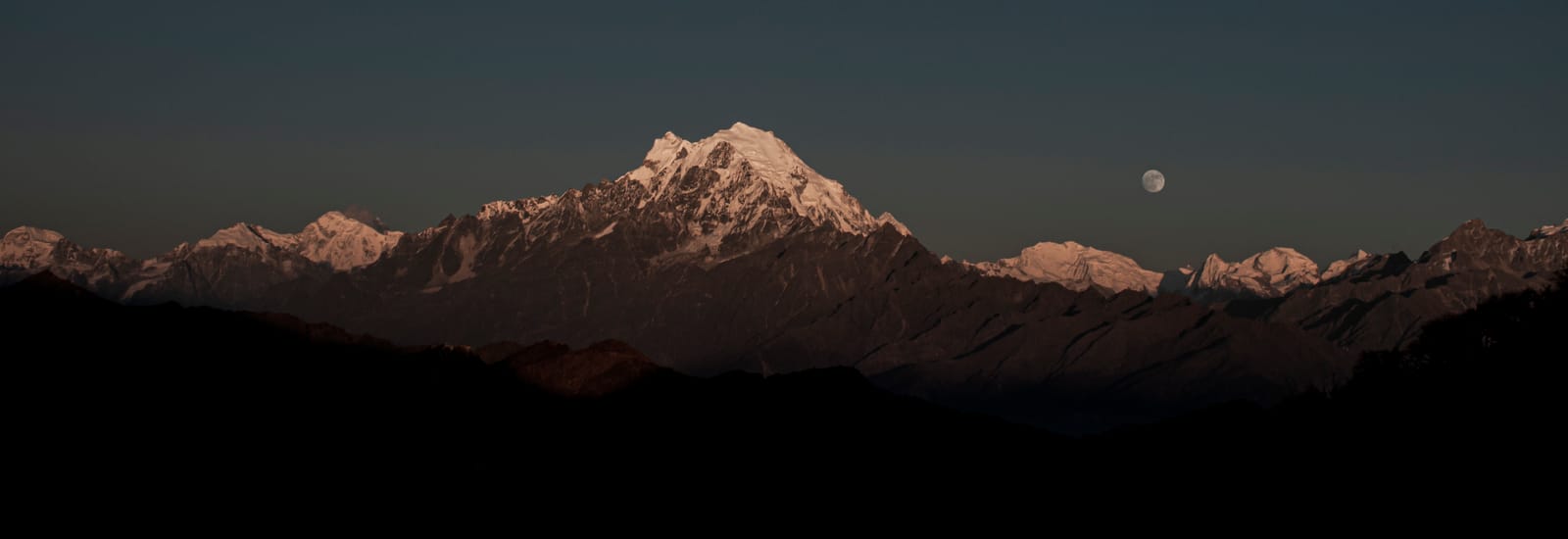
The biggest help you can give Nepal is to visit
On 26 August 2026 a piece of mountain turned into water and took villages, bridges and more than a thousand lives with it. I have lived here for fifteen years. Here is what happened, what is open, how you can help today, and why your trip in October is the biggest help of all.
 Info
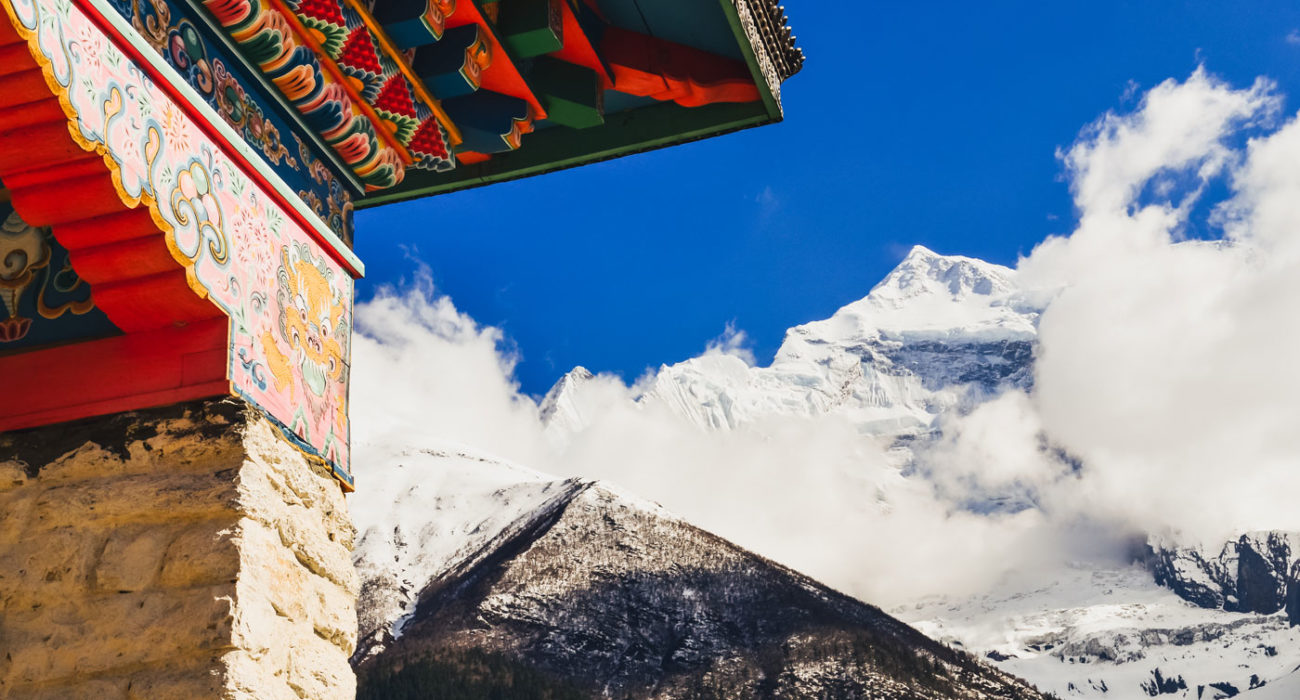
InfoWhat Is the Climate Like in Nepal?
Everything about Nepal's climate — four seasons, three climate zones, temperatures by region and when the sky is clear for the Himalayas.
 Info
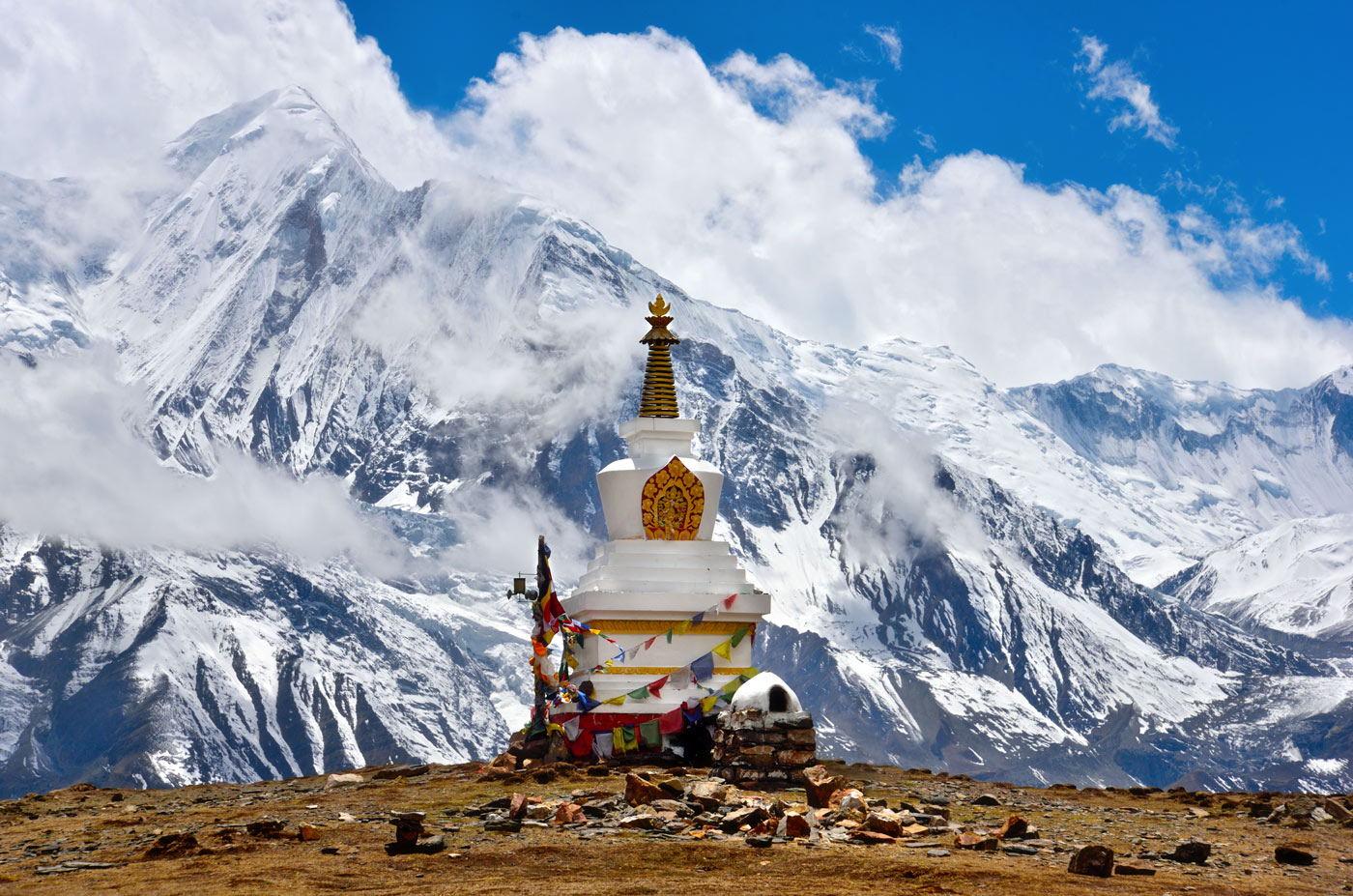
InfoThe Best Time to Visit Nepal
When should you travel to Nepal? A decision guide by activity — trekking, safari, culture — with a table, crowds, prices and festivals.