Nepal is not just a destination — it is one of those journeys that split your life into "before" and "after". Eight of the ten highest peaks on Earth, ancient museum-cities, Buddhist monasteries, jungle with rhinos, and people who welcome you with a smile and a "Namaste". And yet, from Greece, Nepal can feel farther and more complicated than it really is. This guide is your map: everything a traveller from Greece needs to plan it properly — from visa and flights to what drives the cost, treks, and a ready-made itinerary for your first trip.
Why Nepal is worth the journey
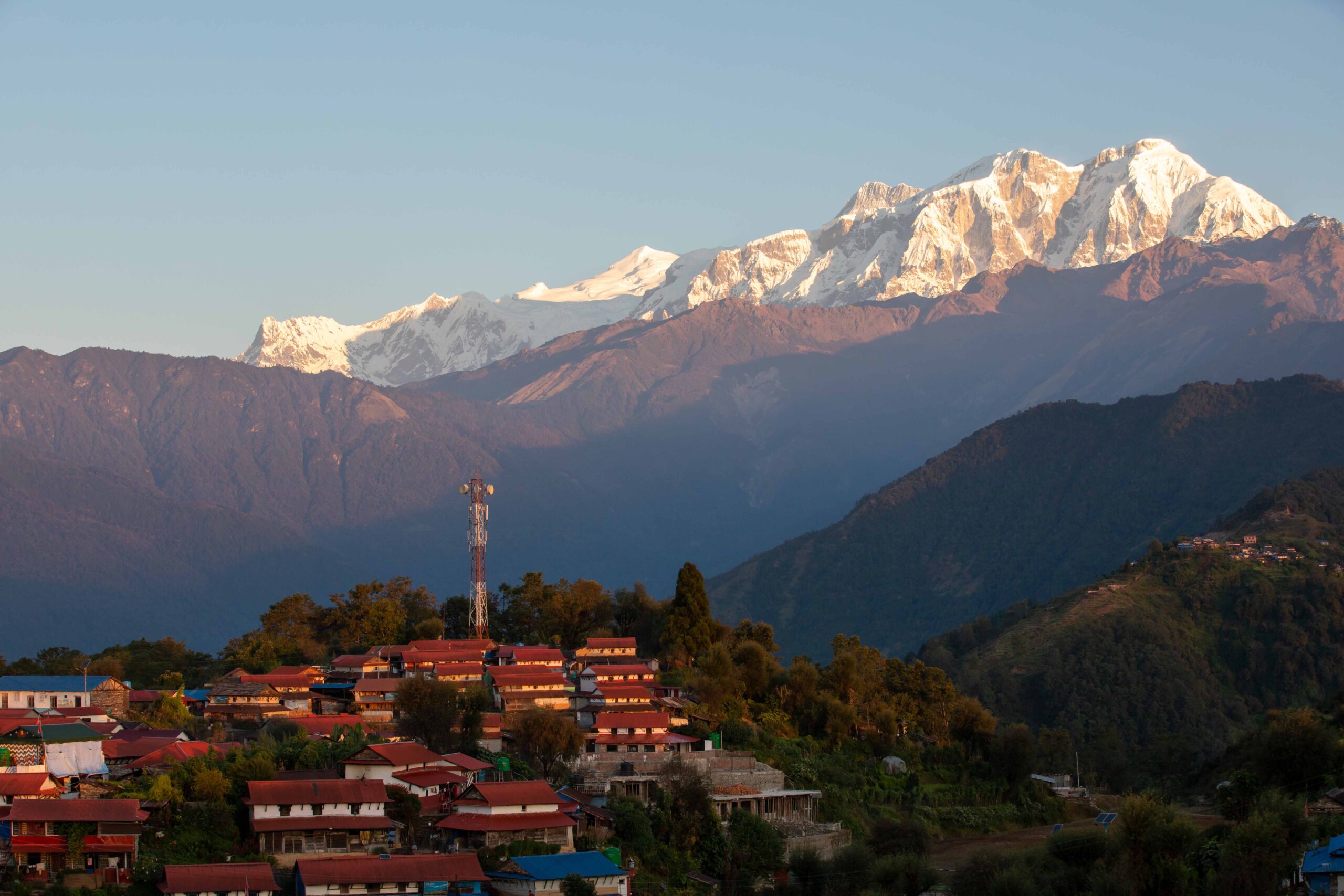
Smaller than Greece with its islands, Nepal packs in three completely different worlds: the subtropical Terai plain in the south, the green hills in the middle, and the roof of the world — the Himalayas — in the north. Within two weeks you can watch sunrise over the Annapurna range, ride an elephant on safari, get lost in the alleys of a medieval city, and share a plate of dal bhat with a Nepali family. It is also one of the most affordable top destinations in the world — your money goes a very long way here.
When to go: the best season
The season you choose determines almost everything — from whether you will see the peaks to how cold you will be at night. Nepal has four clear periods:
| Season | Months | What to expect |
|---|---|---|
| Autumn (peak) | Oct – Nov | Clear skies, perfect mountain visibility, ideal for trekking. The most popular season. |
| Spring | Mar – May | Warm at lower elevations, blooming rhododendrons along the trails, good for climbing. |
| Winter | Dec – Feb | Cold and clear at low altitude; high passes close with snow. |
| Monsoon | Jun – Sep | Rain, mud, leeches on the trails — but lush greenery. Good for Upper Mustang. |
For most travellers, autumn and spring are the obvious choice. To go deeper, see exactly the best time to travel to Nepal and what the climate is like by region.
Visa: easy, with visa on arrival
Good news: as a Greek (or any EU) citizen you get your visa on arrival at Kathmandu's Tribhuvan airport. No need to visit an embassy in advance. At the self-service kiosks you fill in your details, pay at the counter, and within minutes you have your stamp.
| Duration | Cost | Payment |
|---|---|---|
| 15 days | 30 USD | Cash in US dollars (ideally exact amount) |
| 30 days | 50 USD | |
| 90 days | 125 USD |
- Your passport must be valid for at least 6 months.
- Bring 1 passport photo (kiosks usually take one, but keep a spare).
- Pay in US dollars cash — do not rely on a card or euros at the visa counter.
- Extensions cost ~3 USD/day, up to a maximum of 150 days per calendar year.
Flights: Athens → Kathmandu
There are no direct flights from Greece to Nepal. You will fly with one stop, and the most convenient connections are:
- Turkish Airlines via Istanbul — often the most competitive option from Athens.
- Qatar Airways via Doha — comfortable connection, good timings.
- Etihad / Emirates via Abu Dhabi or Dubai.
- Cheaper (but with longer layovers) via Delhi with Air India / IndiGo.
Total travel time is roughly 12–18 hours depending on the stop. A round-trip ticket usually runs 430€–800€; booking 2–3 months ahead and avoiding the autumn peak gets you the best fares. From Thessaloniki you will usually need a feeder flight to Athens or Istanbul.
What drives the cost of a trip to Nepal
This is where Nepal pleasantly surprises you. Apart from the flight, daily living is among the cheapest in Asia. A plate of dal bhat — rice, lentils and vegetables with free refills — costs 2€–5€ and keeps you full for hours.
There is no single price for "a trip to Nepal", though. The cost is shaped by the season, the size of the group, the length, whether you trek and on which route, whether you want a guide and a porter, and the comfort level of your lodging and transport.
What you can estimate in advance are the third-party costs — some of them set, like the visa and the permits, others indicative market prices that move with the season and demand:
- Athens–Kathmandu flight: 430€–800€ return, with one stop.
- Visa: 30$ / 50$ / 125$ depending on the length, cash at the airport.
- Trekking permits: from ~22€ (ACAP) up to the much higher fees of the restricted areas.
- Transport: tourist bus Kathmandu–Pokhara ~8€–15€, domestic flight ~90€–130€.
- Hotel in Kathmandu: ~15€–40€ a night in the mid-range.
Tell us how many days you have, whether you want a trek in the programme, and what comfort level you prefer in lodging and transport. Ask us for a quote.
The regions & the treks at a glance
Nepal is mentally organised around a few big hubs. Start in the capital, Kathmandu, and its valley, with UNESCO monuments — Swayambhunath, Boudhanath, Pashupatinath and the three medieval Durbar Squares. Continue to Pokhara, the lakeside base for Annapurna treks and for activities like paragliding and the most spectacular zipline. In the south, Chitwan National Park offers safaris with rhinos and Bengal tigers, while Lumbini is the birthplace of the Buddha.
For trekking, start with the complete trekking guide to Nepal. The classic routes:
| Trek | Days | Max altitude | Difficulty |
|---|---|---|---|
| Poon Hill / Ghorepani | 4 – 5 | 3,210 m | Easy — ideal for beginners |
| Annapurna Base Camp | 7 – 12 | 4,130 m | Moderate |
| Langtang Valley | 7 – 10 | 4,984 m | Moderate |
| Annapurna Circuit | 12 – 18 | 5,416 m (Thorong La) | Demanding |
| Everest Base Camp | 12 – 16 | 5,364 m (Kala Patthar 5,545 m) | Demanding |
If it is your first trek, Poon Hill or Annapurna Base Camp is the right start: lower altitude, lower risk of altitude sickness, and spectacular views without extreme difficulty.
Permits & altitude: the essentials
Most routes require a permit for the relevant protected area: the ACAP for Annapurna costs ~3,000 NPR (~22€), while Everest-region permits run ~23€–28€. The old TIMS is no longer enforced in Annapurna/Everest, but is required for Langtang, Manaslu and western regions. Important: since 2023 a registered guide is mandatory on many routes — confirm the current status before you leave.
The real danger up high is not the cold, but altitude sickness. Above 2,500 m the key rule is "climb high, sleep low": do not raise your sleeping altitude by more than 300–500 m per day, and build in acclimatization days. Many people take Diamox (125 mg ×2) preventively — always in consultation with a doctor. Most important of all: if severe symptoms appear, the only sure cure is to descend.
Health, safety & insurance
- Vaccines: Hepatitis A and typhoid are recommended; rabies and Japanese encephalitis case by case. Start preparation 4–8 weeks ahead.
- Water: never from the tap. Use bottled water, a filter, or chlorine/UV tablets.
- Insurance: a policy that covers trekking above 4,000 m and helicopter evacuation is absolutely essential. Without it, a single evacuation can cost thousands.
- Safety: Nepal is extremely hospitable and safe, even for solo female travellers. The usual big-city precautions apply.
Money, SIM & connectivity
The currency is the Nepali rupee (NPR). Keep US dollars for the visa and permits, and withdraw rupees from ATMs in Kathmandu or Pokhara (watch withdrawal limits and fees). In the mountains everything is paid in cash — draw enough before you start the trek.
For connectivity, grab a local SIM on arrival (1€–5€ + a data plan 5€–15€/30 days). The two providers are Ncell (fast in the cities) and NTC (better trail coverage — it gets 4G even at Annapurna Base Camp). Alternatively, activate an eSIM (e.g. Airalo) before you leave Greece.
Culture & etiquette
A little respect opens every door. Greet with "Namaste" and palms together. At temples and monasteries remove your shoes, dress modestly (covered shoulders and knees), and walk clockwise around Buddhist stupas. Do not point at people or shrines with your finger, do not touch anyone's head, and ask permission before photographing faces. The right hand is the "clean" one — give and receive with it. These small gestures make a huge difference in how you are welcomed.
A ready-made itinerary for your first trip (12–14 days)
If it is your first time, this plan combines culture, nature and a taste of the Himalayas without extreme difficulty:
| Days | Programme |
|---|---|
| 1 – 3 | Kathmandu: UNESCO monuments, Boudhanath, Patan, Bhaktapur, Thamel markets. |
| 4 | Transfer to Pokhara (bus or flight). |
| 5 – 9 | Poon Hill / Ghorepani trek or a short Annapurna Base Camp. |
| 10 | Relax in Pokhara: Phewa Lake, paragliding, sunset. |
| 11 – 12 | Chitwan: safari, rhinos, Tharu village. |
| 13 – 14 | Return to Kathmandu, souvenirs, departure. |
Only have 10 days? Drop Chitwan. Have 21? Add the full Annapurna trek or Everest Base Camp. For ideas with everything organised, see also our group trip to Nepal.
How we help — Dimitris & Elysian Himalaya
This guide is free and thorough on purpose: we want you to be able to plan your trip yourself. But if you would rather not deal with permits, guides, domestic flights and logistics — or you want a premium, private experience with hand-picked stays — that is where Elysian Himalaya comes in. It is our premium partnership for tailor-made Himalayan journeys, with a Greek point of contact and a team on the ground. Whether you travel with a backpack or with full support, nepal.gr is your Greek starting point for Nepal.
Nepal rewards those who arrive with an open mind and a little preparation. You now have everything you need — all that is left is to book the ticket.
Gallery
Frequently asked questions
- Yes, but it is easy: a visa on arrival at Kathmandu airport costs 30$ for 15 days, 50$ for 30 days, 125$ for 90 days. Bring US dollars in cash and a passport valid for at least 6 months.
- No. You fly with one stop (Istanbul, Doha, Abu Dhabi or Dubai). Total travel time is about 12–18 hours and a round-trip ticket usually costs 430€–800€.
- There is no single answer. The cost depends on the season, the size of the group, whether you trek and which route, and the comfort level of your lodging and transport. The items fixed and known in advance are the flight from Athens (430€–800€), the visa and the permits. Tell us what you have in mind and we will send you a quote through our contact page.
- Autumn (October–November) is the top season with clear skies, and spring (March–May) brings blooming rhododendrons. Avoid the monsoon (June–September) for trekking.
- Yes. Nepal is one of Asia's most hospitable and safe countries, even for solo female travellers. The biggest real risk is altitude sickness on treks, not crime.
- Most classic routes require a permit (e.g. ACAP ~22€ for Annapurna). Since 2023 a registered guide is mandatory in many areas — which also makes the trek considerably safer.
Keep reading
Related articles
 Articles
The biggest help you can give Nepal is to visit
On 26 August 2026 a piece of mountain turned into water and took villages, bridges and more than a thousand lives with it. I have lived here for fifteen years. Here is what happened, what is open, how you can help today, and why your trip in October is the biggest help of all.
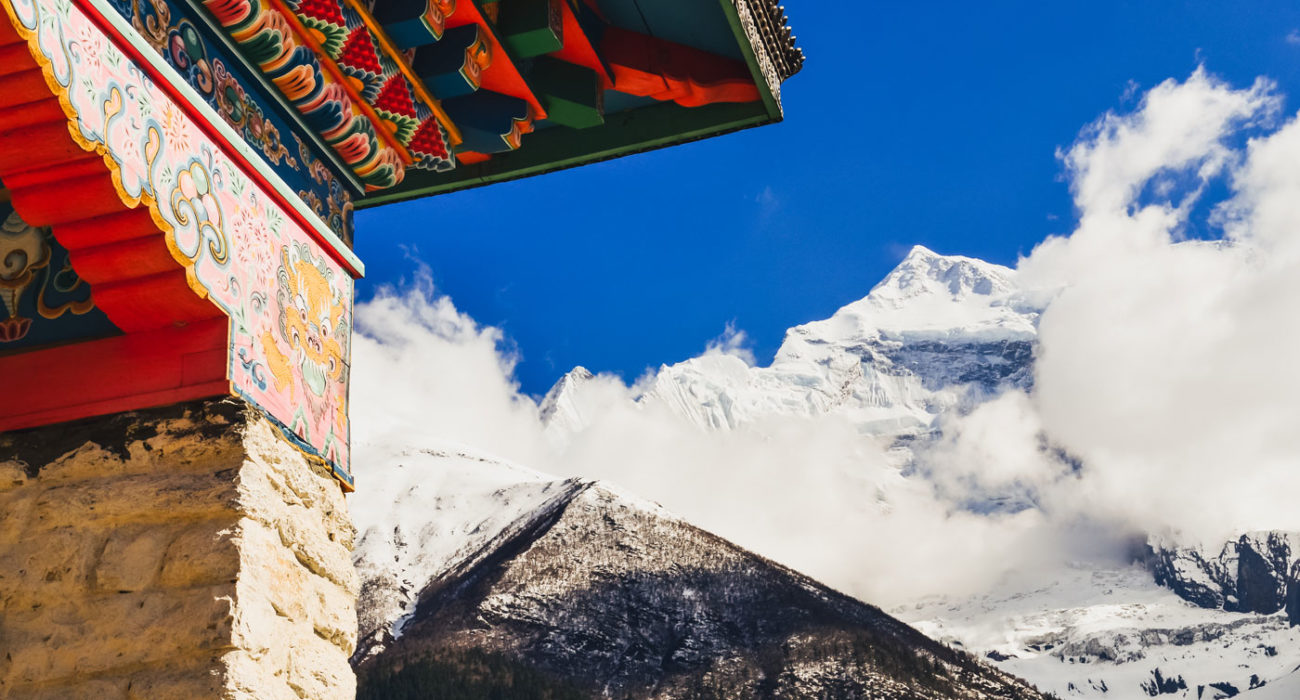 Info
InfoWhat Is the Climate Like in Nepal?
Everything about Nepal's climate — four seasons, three climate zones, temperatures by region and when the sky is clear for the Himalayas.
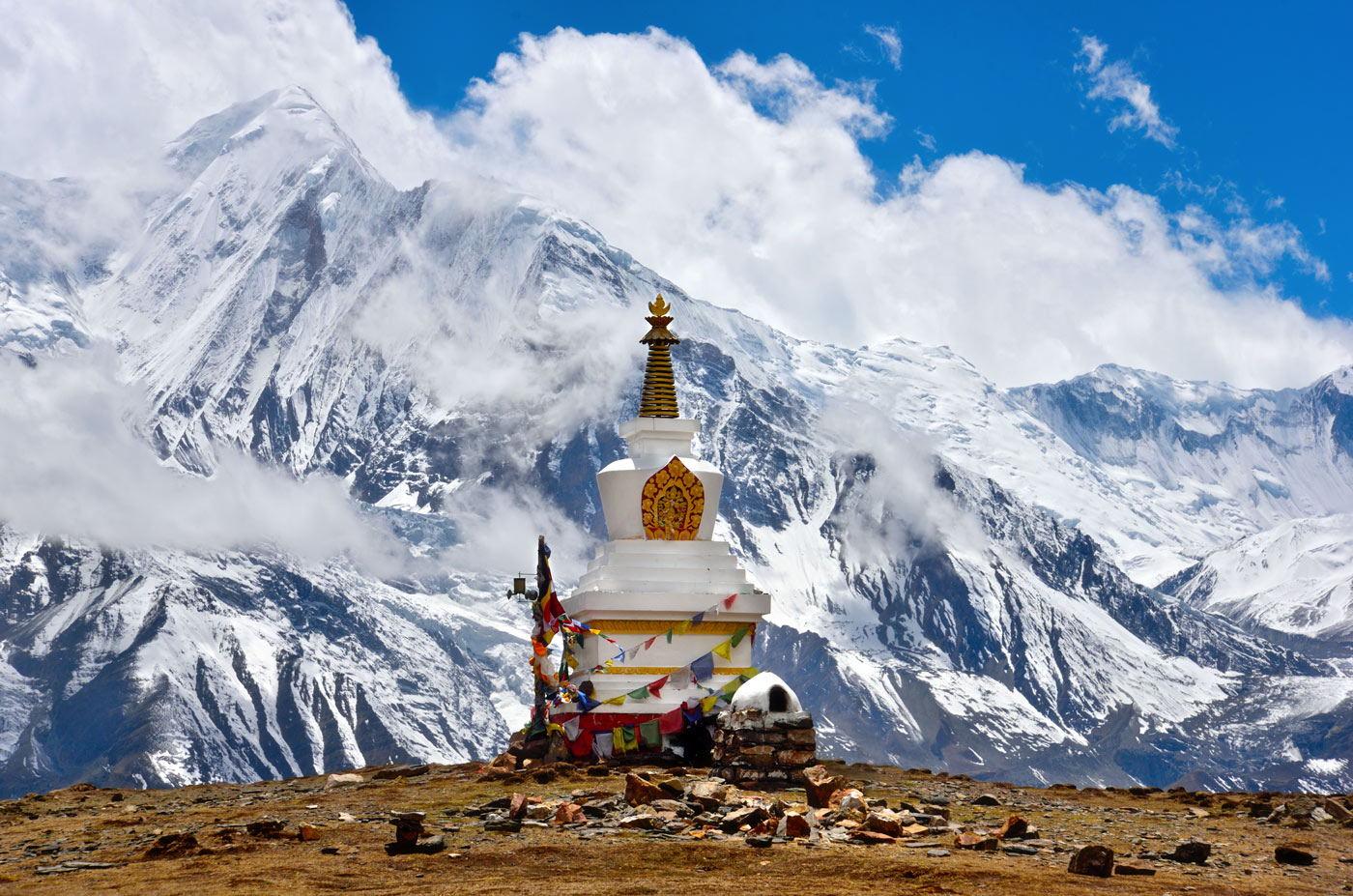 Info
InfoThe Best Time to Visit Nepal
When should you travel to Nepal? A decision guide by activity — trekking, safari, culture — with a table, crowds, prices and festivals.