
When most people picture "food in Nepal," they imagine something like a mild Indian curry. The reality is more interesting: Nepali cuisine is a blend of Indian, Tibetan and indigenous traditions, built around dal bhat — lentils, rice and vegetables — eaten almost daily by farmers, trekking guides and office workers alike. Alongside it, momo have become something close to a national symbol, while tucked into every corner of the Kathmandu Valley sits the richer, more distinctive cuisine of the Newar.
This guide isn't just a list of dishes. It's an attempt to explain how Nepal actually eats, how to order without awkwardness, what "spicy" really means there (it's not what you think), and how to stay healthy without missing out on the experience. Because food in Nepal isn't just fuel for the trek — it's one of the most direct windows into the country's daily life and culture.
Dimitris, having eaten in teahouses at 4,000 metres and in the narrow lanes of Thamel alike, puts it simply: the best food in Nepal is rarely the most expensive. It's whatever is cooked fresh, in front of you, by someone who makes it that way every day for their own family.
Dal Bhat: the dish that keeps Nepal running
Dal bhat (lentils and rice) is the closest thing Nepal has to a national dish. It's served with rice, a lentil soup (dal), one or two seasonal vegetables (tarkari), pickle (achar) and, if you're lucky, a bit of meat or an egg. It's not just cheap and filling — it's almost always freshly cooked, because that's how Nepalis themselves eat it daily, twice a day.
Its big advantage for travellers is the unlimited refill: at tourist restaurants, but especially at mountain teahouses, the rice and lentils are topped up for free as many times as you're hungry. That makes it the default choice for almost every trekking guide — it fills you up, doesn't cost much, and carries a lower stomach risk since it's always hot and cooked to order.
As a rough guide, expect around 250–450 rupees (~€1.70–3) in town, and noticeably more the higher you go on a trek, since every ingredient has to be carried up on foot or by mule. These figures shift often, so treat them as a general sense rather than a fixed number — worth confirming locally.
Momo: the national snack on every corner
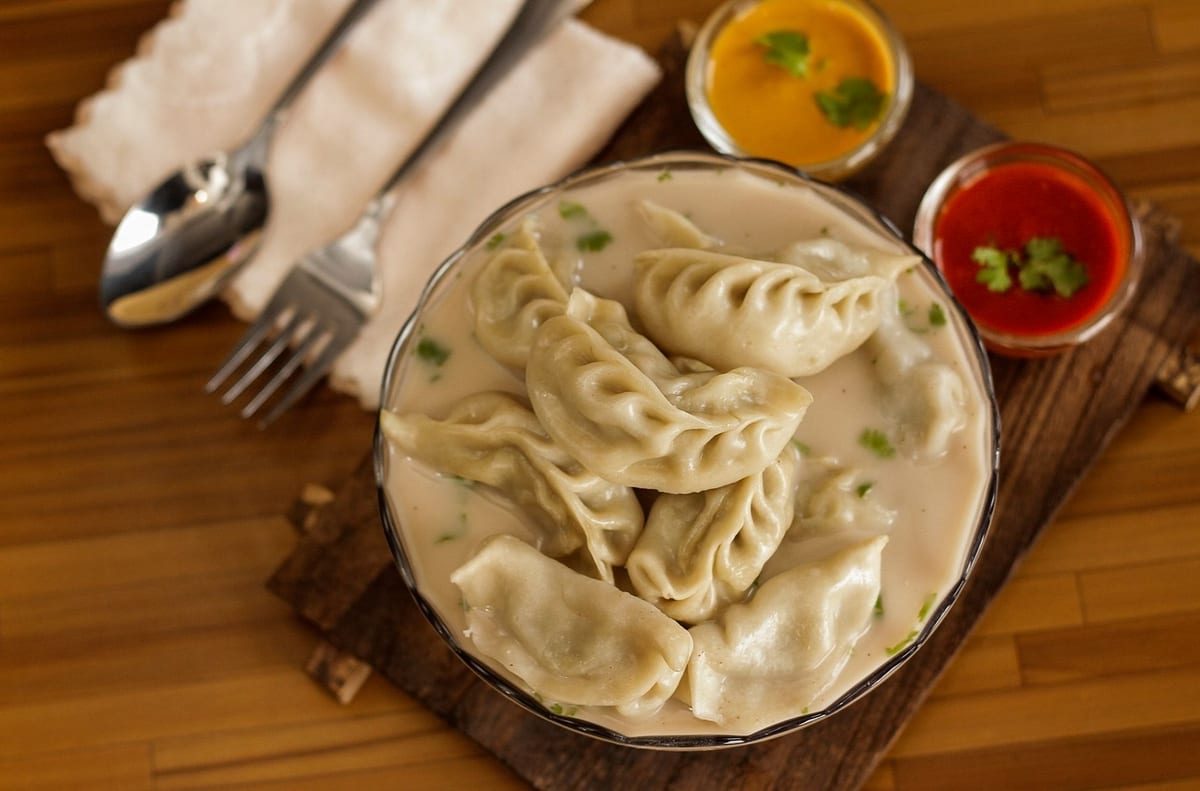
If dal bhat is the meal, momo is the snack that's never far away — small dumplings filled with buffalo meat (buff), chicken or vegetables, steamed or fried (kothey), served with a spicy tomato dipping sauce. Their origins are Tibetan, but they've become so central to Nepali identity that you'll find them everywhere, from street carts to upscale restaurants.
A few variations are worth trying: steamed momo (the classic), fried momo (crispier), jhol momo (served in a warm, lightly spiced soup) and C-momo or chilli momo (stir-fried with peppers and soy sauce, more intense). A plate — usually 8–10 pieces — runs roughly 250–450 rupees (€2–3) in a tourist area.
The secret to good momo isn't the restaurant with the biggest sign, but the one with the most locals eating there. In Kathmandu you'll find them in every corner of Thamel, but the most authentic ones often hide in small shops just outside the tourist core.
Newari cuisine: the valley's richest flavours
If you only have time for one culinary discovery on your trip, make it this one. The Newar, the indigenous inhabitants of the Kathmandu Valley, have one of the most intricate and flavour-rich cuisines in the entire region — the result of centuries of Hindu and Buddhist traditions coexisting, as we explain in detail in our guide to Nepali culture and etiquette.
Samay baji is the signature dish: a wide platter of beaten dried rice (chiura), grilled buffalo meat, boiled beans, ginger, egg and local rice liquor. Also try choila (marinated, charcoal-grilled buffalo with spices), bara (a hearty lentil-batter pancake, savoury, often topped with egg or minced meat) and chatamari, informally known as "Newari pizza" — a thin rice-flour base topped with meat or egg.
Don't skip juju dhau, the "king curd" of Bhaktapur — thick, sweet, served in a clay pot. It's not just dessert, it's an institution. Your best chance to try Newari food properly is in old house-restaurants in Patan or Bhaktapur, often served in a traditional, multi-dish format.
Thukpa and Tibetan influence in the mountains
As you climb in altitude, the menu changes character. Tibetan influence, carried across the Himalayas by refugees and traders over centuries, dominates the mountain villages and trekking teahouses. Thukpa — a hot soup with thick noodles, vegetables and meat or tofu — is the top choice on a cold night above 3,000 metres, because it warms and fills you with less risk than a cold dish.
In the same family sit tingmo (steamed bread, spongy like a fresh loaf, ideal for dipping in curry sauce), riki kur (a Sherpa pancake of grated potato) and momo themselves, which in high villages often take a simpler, less spiced Tibetan form.
Practical tip: at teahouses above roughly 3,500–4,000 metres, meat often isn't the safest choice — not because the meat itself is poor quality, but because the cold chain is unreliable in such remote locations. Many experienced trekkers go temporarily vegetarian on their trek for exactly this reason, sticking to dal bhat, vegetable thukpa or tsampa (roasted barley flour, a Tibetan staple for altitude energy).
Sel roti, street food and roadside sweets
Sel roti is a circular, fried rice bread, sweet and airy, somewhere between a doughnut and a pancake in texture. It's traditionally made for festivals like Dashain and Tihar, but you'll find it at street stalls year-round, hot and freshly fried, paired with a morning cup of chai.
Nepal's street food is worth exploring with careful selection rather than fear. Try chatpate (puffed rice mixed on the spot with onion, tomato, lemon and chilli, served in a paper cone or cup), aloo chop (fried potato balls) and pani puri, borrowed from Indian tradition, with its distinctive sour, spicy water filling.
For something sweet, laddu (balls of flour, sugar and ghee) and barfi (dense milk-and-nut fudge) are sold at sweet shops in every town — a good small gift or a travel snack that doesn't spoil easily.
Chai: the tea that's drunk everywhere, all day
If one drink unites Nepal, it's chai (or masala chai) — black tea boiled together with milk, sugar and spices (cinnamon, ginger, cardamom, clove). It's drunk in the morning, at midday, in the afternoon, as a welcome to visitors and as an excuse for conversation. A cup costs next to nothing — 30–60 rupees in town — and is almost always safe, since both the milk and water have been boiled.
In the mountains, alongside classic chai, you'll encounter butter tea — a Tibetan tradition made with yak butter and salt instead of sugar — a very different flavour, richer and saltier, worth trying at least once even if it doesn't win you over immediately.
Practical note: if someone invites you for tea at their home or shop, accept. It's one of the most common, genuine gestures of hospitality in Nepal, and often the start of a real conversation rather than just a tourist transaction.
How to order well in Nepal
At most restaurants in tourist areas, the menu is in English and ordering is easy. A few small habits make a real difference, though. First, ask "is it fresh?" — or better, order what you see locals ordering at the same place, usually the most reliable quality signal you'll get.
Second, at trekking teahouses, order from the same menu as the guides and porters. Many lodges offer cheaper or free rooms if you eat at their restaurant — a practice that supports the local economy and reliably gets you fresh, hot food.
Third, remember the concept of "jutho," which we explain in detail in our culture and etiquette guide: anything that has touched your mouth is considered unclean for others. Don't offer a bite from your plate or a sip straight from your bottle to someone else — ask for an extra plate, or pour water into your mouth without letting the bottle touch your lips, as locals do.
Fourth, always eat with your right hand — the left is traditionally considered "unclean" in social exchanges, including at the table.
Spice levels: what "spicy" means in Nepal
Nepali cuisine isn't as fiery as Thai food, or even some Indian traditions, but it can still surprise you if you're not prepared. The core heat usually comes from achar (a pickle or sauce with chillies, vinegar and spices) served alongside dal bhat — you can add as much or as little as you like.
If you order something explicitly labelled "chilli" (chilli chicken, chilli momo), expect fairly intense heat, made more for urban or Western taste than traditional village Nepali cooking. Classic dal bhat, by contrast, is usually mild on the plate itself — the heat is added separately, by you, via the achar.
A useful phrase: "less spicy please" or "no chilli" works almost everywhere, even where English is limited. If you love heat, ask for achar or raw chilli on the side and add it yourself — that way you control the intensity fully, with no surprise on the first bite.
Food hygiene and safety: the rules that matter
Food in Nepal is delicious and safe in the vast majority of cases, as long as you follow a few simple rules. The travel doctors' golden rule is straightforward: "boil it, cook it, peel it — or forget it." Always prefer food served hot and freshly cooked, not something sitting exposed at room temperature.
Never drink tap water in Nepal — not in Kathmandu, not in a hotel, not in the mountains. Drink only bottled, boiled or filtered water, avoid ice cubes in drinks, and even brush your teeth with safe water. This is covered in detail, along with vaccines and a travel medical kit, in our guide to vaccines and health in Nepal.
For street food, choose busy stalls where the food is cooked in front of you at that moment — not something that's been sitting ready for hours. Avoid raw salads possibly washed in tap water, but don't fear fruit you peel yourself (banana, orange, mandarin) — that's always safe.
Despite precautions, a share of travellers will experience some travellers' diarrhoea — it's not a disaster, it's manageable with hydration, ORS and whatever medication your doctor prescribed before the trip. If symptoms persist beyond 2–3 days or come with a high fever, seek medical help — Kathmandu and Pokhara both have specialised travel-medicine clinics.
Vegetarian, vegan and special diets
Nepal is one of the easier destinations in Asia for vegetarians, thanks to the Hindu tradition: a large share of the population is fully or partly vegetarian, and almost every menu has a separate "veg" column. Dal bhat in its basic form is vegetarian itself, as are many momo, thukpa and curries made with vegetables or tofu.
For vegan travellers things get a bit more complex, since ghee (clarified butter) and milk are used often in cooking, especially in chai and many sweets. The phrase "no ghee, no milk, no butter" helps, but flexibility is limited at small, remote teahouses — it's wise to carry some backup snacks (nuts, bars) while trekking.
Also remember that the cow is sacred in Nepal and beef is never served anywhere — instead you'll find buff (buffalo meat), chicken and goat. For nut or gluten allergies, a card with your diet written in Nepali (many Kathmandu hotels can translate one for you) is a practical solution, especially in areas where English is limited.
Drinks: water, beer and raksi
Beyond chai, Nepal has its own drinking culture. Local beers (Gorkha, Everest, Nepal Ice) are cheap and widely available in tourist areas, though choice narrows in more remote villages. Raksi, a clear spirit distilled from rice or millet, is the traditional village liquor — strong, homemade, and often offered as a gesture of hospitality. Try it in moderation, especially at altitude, since alcohol worsens dehydration and can affect acclimatisation.
Tongba, a Limbu/Kirat tradition from Nepal's eastern hills, is fermented millet in a wooden vessel, topped with hot water and sipped through a straw — a warm, mildly alcoholic experience ideal for a cold evening in a mountain village, though its strength can catch you off guard.
For non-alcoholic options beyond bottled water, you'll find fresh fruit juices in the cities and lassi (a yoghurt drink with water or milk, sweet or salty) — a refreshing, filling choice for hot days in Kathmandu or Pokhara.
Frequently asked questions
- Dal bhat is lentils, rice, vegetables and pickle — the dish most Nepalis eat almost daily, twice a day. It's cheap, nutritious, almost always freshly cooked, and at many restaurants and teahouses the rice and lentils are refilled for free as many times as you're hungry.
- Less than you might expect at its core — classic dal bhat is usually mild, with heat added separately via achar (a chilli pickle). Dishes explicitly labelled "chilli" are more intense. The phrase "less spicy please" works almost everywhere.
- For the most part, yes, if you choose busy stalls where food is cooked hot and fresh in front of you. Avoid food that's been sitting exposed at room temperature for hours, and raw salads possibly washed in tap water. Fruit you peel yourself is always a safe choice.
- Nepal is easy for vegetarians thanks to the Hindu tradition — almost every menu has a separate "veg" column. It's more complex for vegans, since ghee and milk appear often, especially in chai and sweets. "No ghee, no milk, no butter" helps, but pack backup snacks for remote teahouses.
- No, never — tap water is undrinkable everywhere in Nepal, and ice usually isn't safe either since it's typically made from tap water. Stick to bottled, boiled or filtered water. See our full guide to [vaccines and health in Nepal](/en/emvolia-ygeia-nepal/) for the complete picture.
- Momo are small dumplings filled with meat or vegetables, steamed or fried, Tibetan in origin but central to Nepali cuisine today. The most authentic ones are usually found at small, busy local shops rather than the most touristy restaurants with the biggest signs.
- As a rough guide, dal bhat runs 250–450 rupees (~€1.70–3) in town and costs more on treks due to the effort of carrying supplies up. A plate of momo is roughly 250–450 rupees (€2–3). Prices shift often, so treat these as a general sense and confirm locally.
- Yes, discreetly — around 10%, though many tourist restaurants already add a service charge to the bill. At small local shops tipping isn't always expected, but it's always appreciated. More detail in our guide to [Nepali culture and etiquette](/en/politismos-ethima-nepal/).
Keep reading
Related articles
 Articles
The biggest help you can give Nepal is to visit
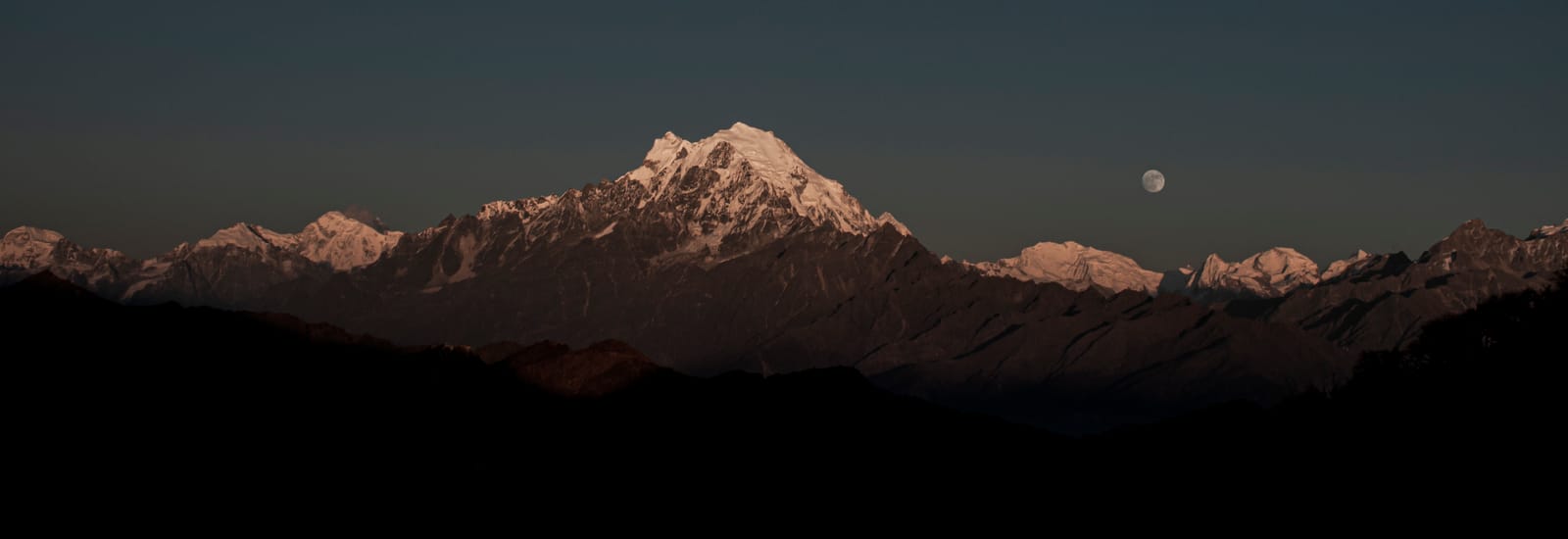
On 26 August 2026 a piece of mountain turned into water and took villages, bridges and more than a thousand lives with it. I have lived here for fifteen years. Here is what happened, what is open, how you can help today, and why your trip in October is the biggest help of all.
 Articles
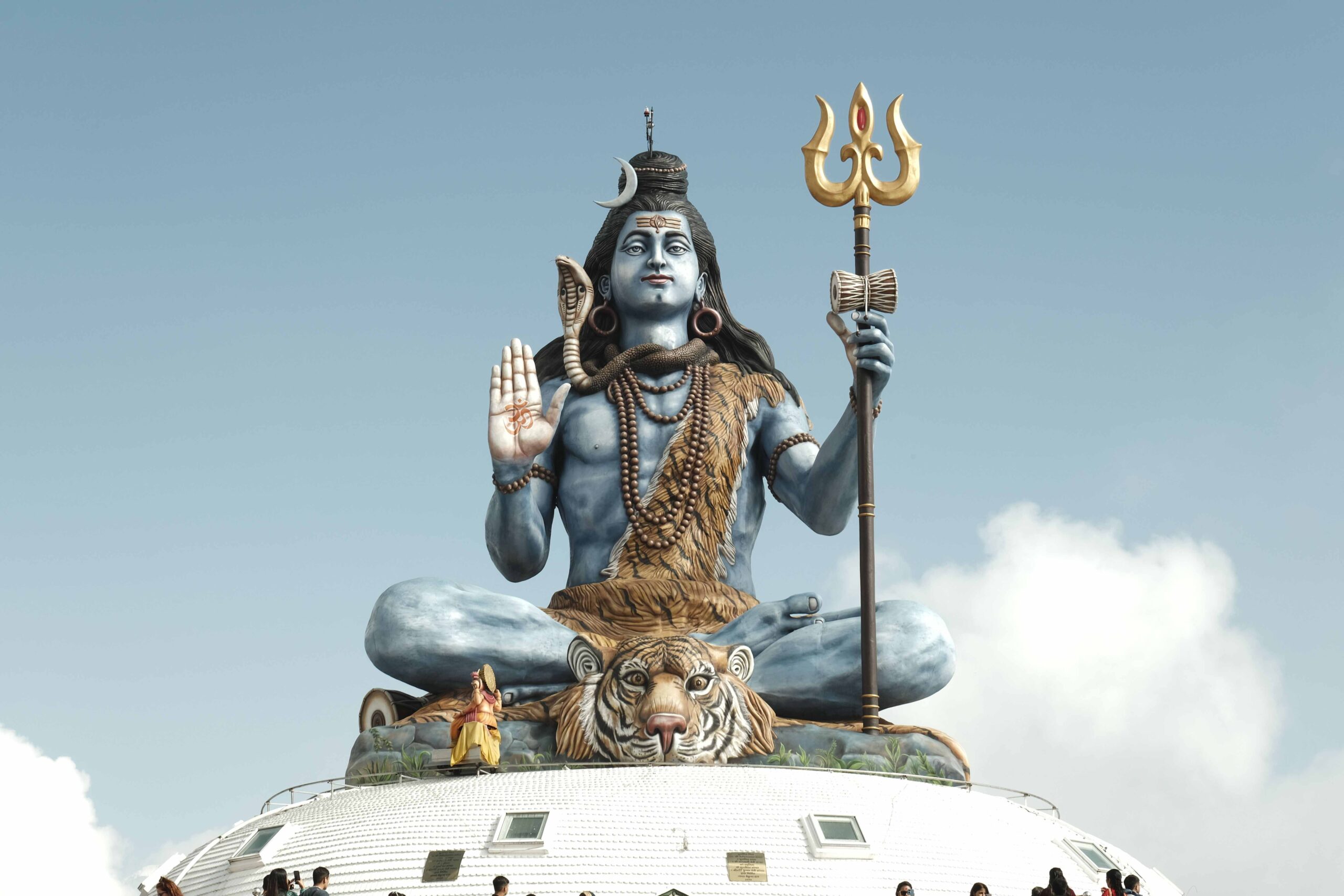
Shivaratri in Nepal: The Great Night of Shiva
Maha Shivaratri at Pashupatinath temple: ash-covered sadhus, all-night fires, chanting and up to a million pilgrims. When it happens and how to experience it respectfully as a traveller.
 Articles
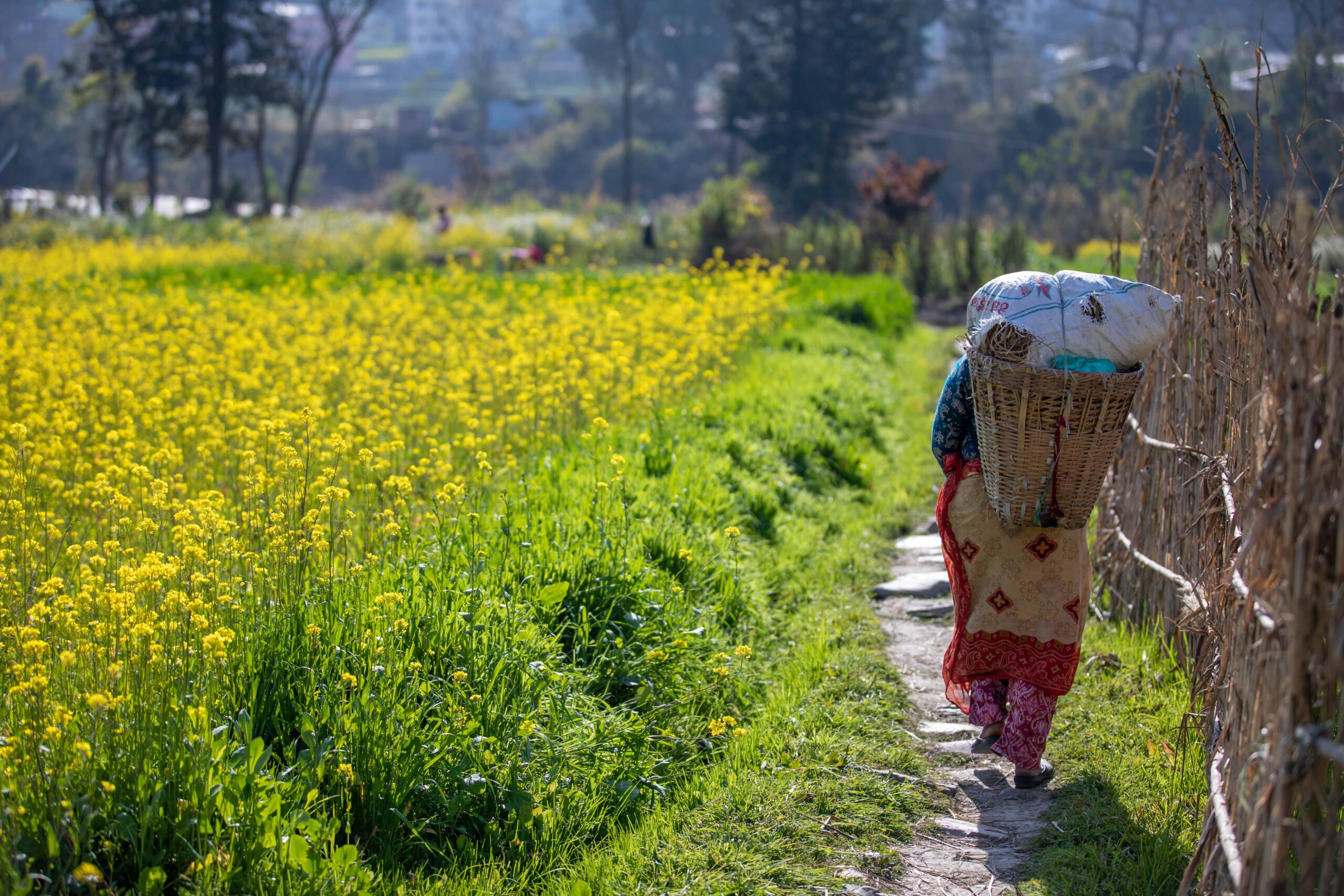
Nepal's Mustard Season: The Golden Fields
Every winter Nepal's countryside turns yellow with blooming mustard fields — when they bloom, where to see them, and why it's a dream for photography.