

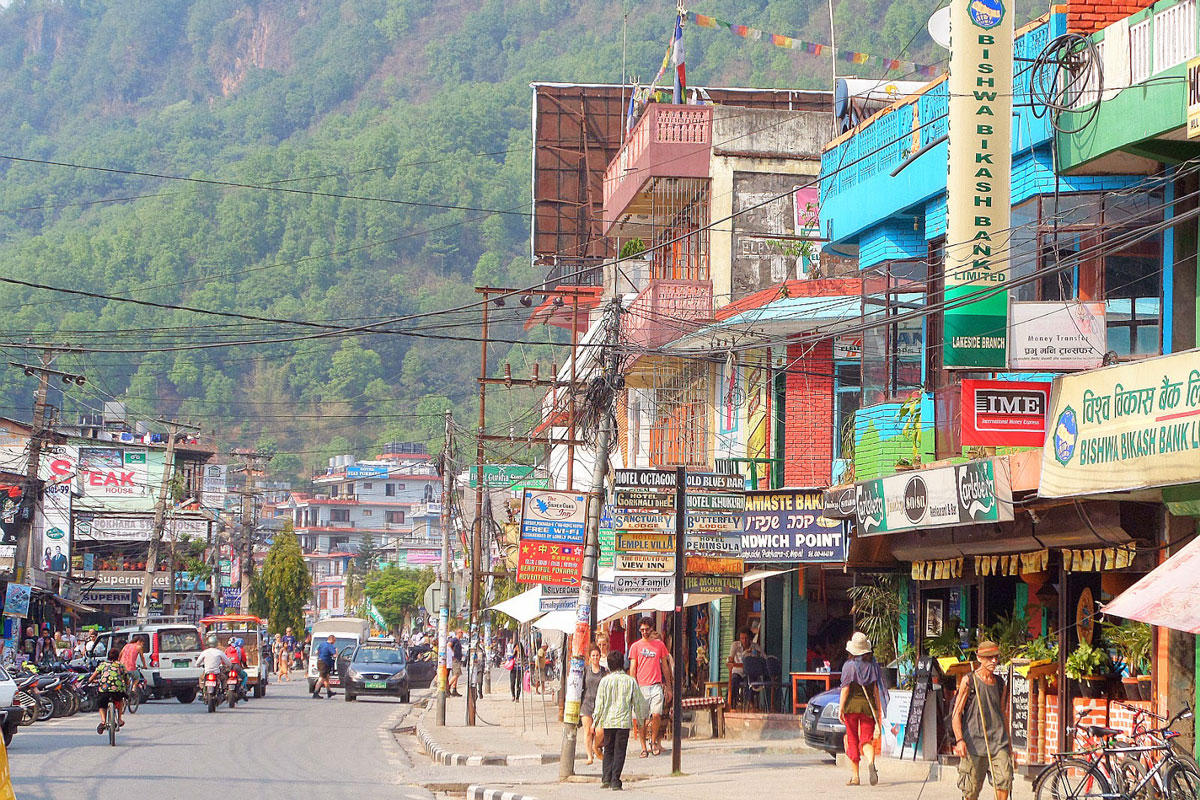
Three days is, in my view, the sweet spot for Pokhara — enough time that you're not rushing, short enough that the lake's laziness doesn't swallow the rest of your list. In three days you can comfortably walk Lakeside, take a boat out on Fewa Lake, catch a sunrise that genuinely justifies a 4:30am wake-up, pick one dose of adrenaline if that's your thing, and close with the quieter sights around town.
This is a concrete three-day plan, not just a list of sights. You'll find what I'd do day by day, plus alternatives depending on the weather (some activities simply aren't worth it if it's cloudy or raining) and depending on how much energy you actually have that day — not everyone wants a 4:30am start after a flight or a long bus ride.
Here we're focused purely on what to do within three days in town, with nothing else you need to read first — just a plan you can follow as it is or bend to fit your own pace.
Before you build the plan
Pokhara has one trait that sets it apart from other sight-heavy destinations: almost everything sits within about half an hour of Lakeside. That means you don't need big-city time-management logic — but you do need to decide what matters most, because three days isn't enough for absolutely everything.
The plan below assumes you arrive in the morning or early afternoon of day one, whether by flight from Kathmandu or by bus. If you land late in the afternoon, do the boat ride and sunset in the afternoon of day two or day three instead, after everything else, and adjust the order from there. This isn't a plan pinned to exact hours — it's a logical order you can bend.
Keep two things in mind before you start. First, sunrise at Sarangkot means waking up around 4:30am, so if day one wore you out, move sunrise to day three instead of day two. Second, adrenaline activities depend on weather and can be postponed without much notice — don't schedule them on your last day if you have a flight that same evening.
Day 1: Lakeside and a boat ride on Fewa Lake
Day one is for landing, not for running around. Once you've settled in, walk the Lakeside promenade — the strip of cafés, lake-view restaurants and trekking-gear shops that runs along the eastern shore of Fewa. No agenda needed here, just getting used to the town's pace, which is completely different from Kathmandu's.
In the afternoon, find one of the colourful wooden boats and head out onto Fewa Lake to the small Tal Barahi shrine on the little island at its centre. It's a short, cheap ride, but it stays with you more than you'd expect — the quiet of the water after the noise of the road has its own value.
Save the sunset for the end of the day. You don't need a specific spot; anywhere along the shore with an open view west across the water and the mountains works, as long as the sky is reasonably clear. With a bit of luck on the weather, you'll see the peaks turn pink-orange before dark — a first taste of what you'll see more intensely the next morning.
Day 2, morning: sunrise at Sarangkot
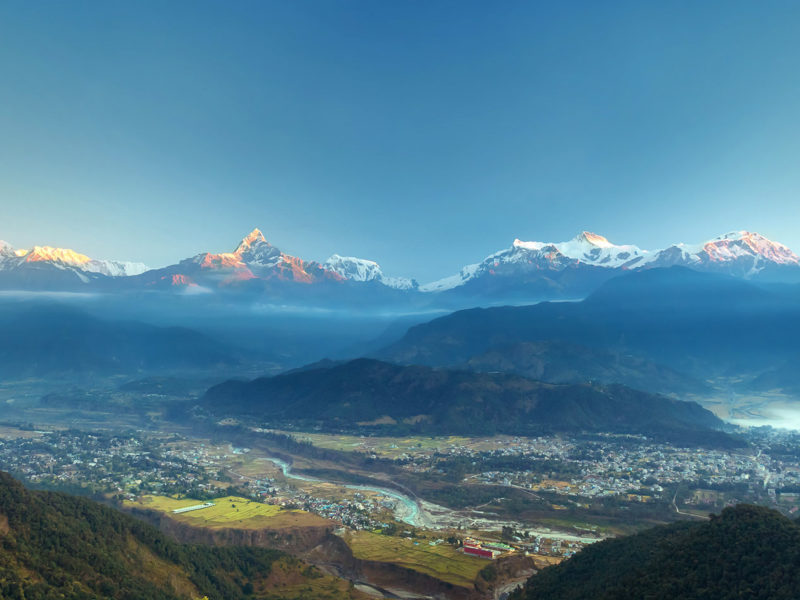
Sarangkot, at roughly 1,600 metres, is where most Pokhara visitors start their second day. You drive up by jeep or taxi before dawn — usually leaving Lakeside around 5am, to be up there before 5:30 — to catch the sun successively lighting up the peaks of Dhaulagiri, Annapurna and the sharp summit of Machapuchare.
It's cold at that hour, even if the rest of the day is warm, so bring something warm to put on. The view is only worth the early start if the sky is clear — far more likely in October–November and March–April than during the monsoon, so if you're travelling in summer, don't be too disappointed if clouds hide the peaks.
The same hill is also the launch point for paragliding and the zipline, so if you're planning either activity, it makes sense to stay up after sunrise rather than come back down and go up again. Many Lakeside operators arrange transfers so that sunrise, morning tea on the mountain and the activity all fit into one trip without pointless back-and-forth.
Day 2, the rest: adrenaline or a calmer alternative
If flying over the lake appeals to you, tandem paragliding launches right from Sarangkot and lands beside Fewa — no prior experience needed, you fly with an experienced pilot. If you'd rather have something faster and less floaty, the Sarangkot zipline delivers a clean, short hit of adrenaline with a 600-metre drop. Full specs and cost are in our guide to the Pokhara zipline.
If neither appeals, or the weather doesn't allow flights (both are cancelled easily by wind or low visibility), the alternative isn't to sit idle. Head back down to Lakeside for a relaxed lunch overlooking the lake and spend the afternoon at the World Peace Pagoda — a white Buddhist stupa on a hill across from Lakeside, with panoramic views over the lake, the town and the Annapurna range. You get there either by boat plus a 30-45 minute climb, or by taxi.
The Peace Pagoda is, in a way, Sarangkot's calmer counterpart: lower, fewer people, but an equally clear picture of Pokhara's geography. If you've already done one adrenaline activity in the morning, it's the ideal quiet way to close the day before heading back to Lakeside for dinner.
Day 3: caves, waterfalls and a quieter corner
Day three is built for shorter, more relaxed stops. Start with Davis Falls, a waterfall that dramatically disappears into the ground, about 15 minutes south of Lakeside. Directly opposite is the underground Gupteshwor cave, with a shrine to Shiva deep inside — the two together take no more than an hour and a half to two hours.
From there you have two sensible options for the rest of the day, depending on your mood. For something calm, head to Begnas Lake, 40-60 minutes east — a green, quiet version of Fewa without the tourist crowds, ideal for a boat ride or simply coffee by the water. If instead you want to close the three days with a bit more adrenaline, a half-day raft on the warm, gentle Seti River is a very accessible option — see the details in our guide to rafting and kayaking in Nepal.
Whichever you choose, keep the evening free for a relaxed dinner in Lakeside — it's the most natural way to close the three days, with a view of the same lake that welcomed you on day one.
What to do depending on the weather
Pokhara is one of those towns where weather genuinely shapes the itinerary, not just your mood. The monsoon (June–September) brings clouds that often hide the peaks entirely, while strong wind or low visibility easily cancel paragliding. It's worth having a backup plan ready instead of being caught off guard once you're already there.
If the weather doesn't cooperate on your first days, don't panic — Pokhara has enough sights that are less weather-dependent (Gupteshwor, a wander through the old bazaar, museums) that you can reshuffle the plan and save the adrenaline activities for the next clear day.
| Weather | What works well | What to skip |
|---|---|---|
| Clear skies (Oct-Nov, Mar-Apr) | Sarangkot sunrise, paragliding, zipline, boating | Nothing in particular, everything runs |
| Cloudy/rainy (monsoon) | Peace Pagoda (the view can vanish into cloud, and the climb gets slippery in rain — take a taxi), Davis Falls & Gupteshwor, cafés/shopping in Lakeside | Sarangkot sunrise, paragliding, zipline |
| Cold mornings (Dec-Feb) | Sunrise with warm layers, midday activities | Very early outings without warm clothing |
What to do depending on your energy
Beyond the weather, the three days can also flex around how active you feel like being. If you're arriving after a multi-day Annapurna trek or a tiring journey, there's no need to push yourself into sunrise and paragliding on the same day.
There's no right or wrong choice here — Pokhara is one of the few destinations that lets you switch pace within the same day without losing anything essential, precisely because everything sits so close together.
- Low energy: a boat ride on Fewa, a walk around Lakeside, coffee with a view, a quiet afternoon at the Peace Pagoda by taxi instead of the climb on foot.
- Moderate energy: sunrise at Sarangkot without an adrenaline flight, Davis Falls & Gupteshwor, a trip to Begnas.
- High energy: sunrise plus paragliding plus zipline in the same day, a half-day raft, a short walk around the edges of town.
If you have fewer or more than 3 days
With two days, keep the logic of day one and day two: boating and sunset on day one, sunrise at Sarangkot plus one activity (or the Peace Pagoda, if you'd rather keep it calm) on day two. You'll leave with the essential picture of Pokhara, even skipping the waterfall and the cave.
If you have more than three days, two directions make sense. Either add one more relaxed day — no agenda, just the lake and coffee — or use Pokhara as a launchpad for something bigger. A short trek to Poon Hill (4-5 days) is the most natural extension, since Pokhara is the gateway to most Annapurna trails anyway. You'll find the full picture of how this fits into a longer trip in our ready-made Nepal itineraries.
Either way, don't try to squeeze trekking into the same three days alongside everything else — trekking needs its own preparation and pace, and doesn't fit well between paragliding flights and boat rides.
Practical notes: where to stay, how to get around, when to go
Lakeside is the obvious base for a three-day stop; almost everything described above starts or ends there. Within the district everything is walkable, while for the day trips (Sarangkot, Peace Pagoda, Davis Falls, Begnas) you'll need a taxi, jeep or rented scooter — most hotels and operators in Lakeside can arrange the transfer easily.
The best window for exactly this plan is autumn (October-November) and spring (March-April), when the sky is more often clear and flights are more reliable. Details like operating hours, ticket prices and activity availability change easily, so confirm current information before booking anything — especially paragliding flights, which depend directly on the day's weather conditions.
If Pokhara is part of a wider trip, it's worth reading our full guide to Pokhara as an adventure and leisure destination, where we go deeper into accommodation by budget, Annapurna trekking and how to get there from Kathmandu.
My take on the three days in Pokhara
From what I've seen among travellers passing through here, the most common mistake isn't doing too little — it's trying to cram too much into three days and ending up remembering the exhaustion more than the lake. The plan I've laid out here leaves gaps on purpose, because Pokhara gives you its best when you're not chasing it.
If I had to keep just one thing from the three days, it would be sunrise at Sarangkot — not because it's the most photogenic, but because it's the moment you understand why so many travellers end up staying in Pokhara longer than they originally planned.
Keep reading
Related articles
 Destinations
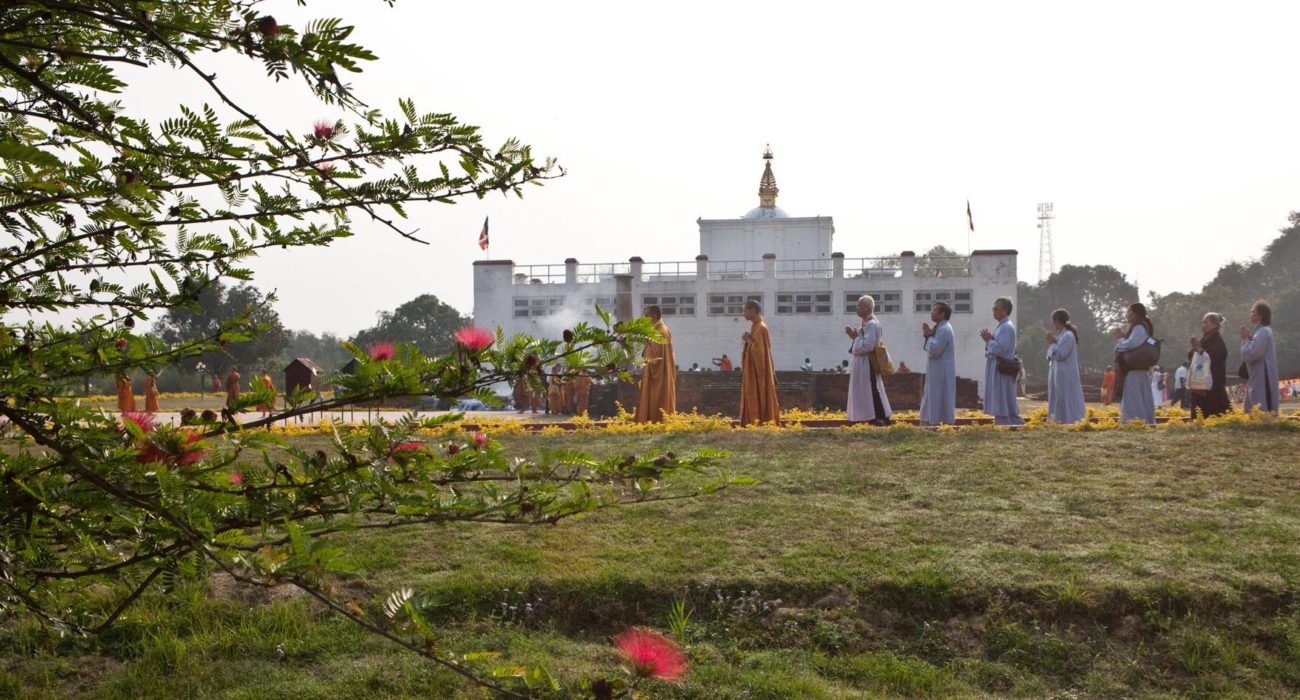
Lumbini, the Birthplace of Buddha
Discover the birthplace of Buddha — the Maya Devi temple, the Ashoka pillar, the international monasteries and everything to see at this sacred site in southern Nepal.
 Destinations
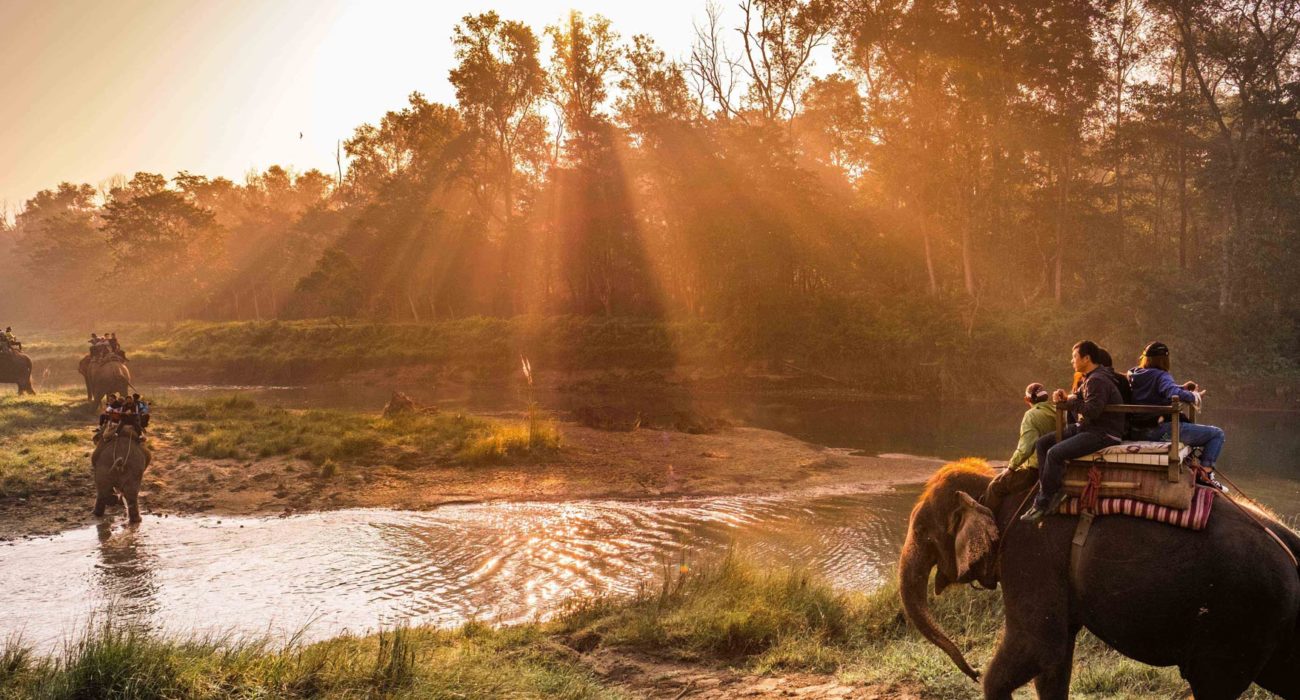
Chitwan National Park
Safaris, tigers and rhinos in Nepal's first national park — a UNESCO World Heritage site in the jungle of the Terai.
 Destinations
Pokhara, Nepal's Adventure Capital
Pokhara is Nepal's number-one destination for adventure & leisure: Fewa Lake, Lakeside, Sarangkot, paragliding, zipline and the gateway to Annapurna trekking — a full guide with costs in euros and a 3-day plan.