
There is one night a year when Kathmandu does not sleep. Fires that burn until dawn, hundreds of thousands of pilgrims in an endless queue, ascetics with ash smeared over their bare bodies, and chanting that never stops. This is Maha Shivaratri — the "Great Night of Shiva", the most intense Hindu festival in Nepal. In this guide, "with Dimitris", we'll look at exactly what happens, why Pashupatinath temple becomes the centre of the world for one night, and how you can experience it respectfully if you find yourself there as a traveller.
What Shivaratri is & when it happens
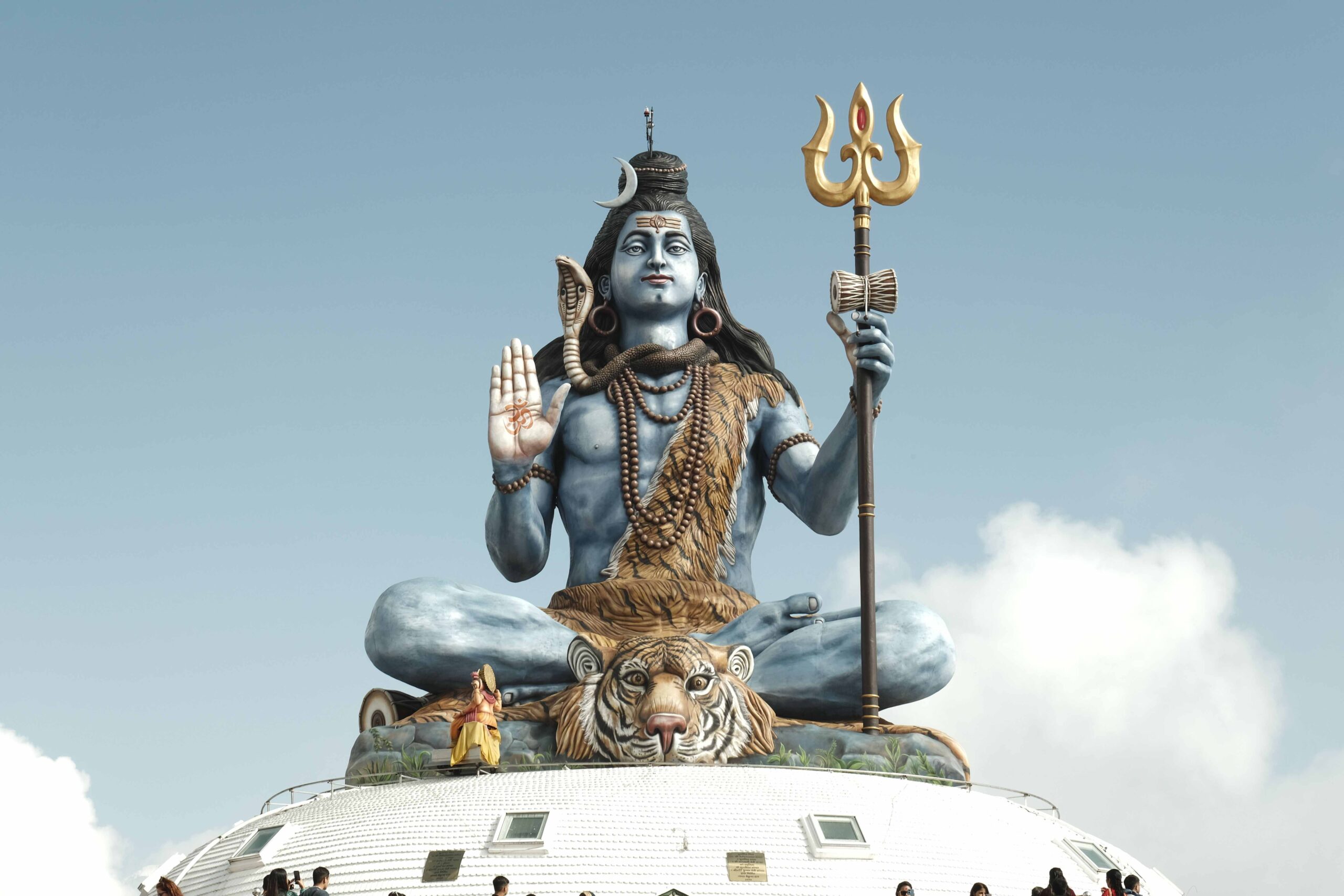
"Shivaratri" literally means "the night of Shiva". It is dedicated to Shiva, the god of destruction and regeneration in the Hindu trinity — the ascetic-god of the Himalayas. Legend has it that on this night Shiva performed the cosmic dance of creation and destruction (Tandava), and that whoever keeps vigil and honours him is cleansed of their sins.
The festival has no fixed date: it follows the lunar calendar and falls on the 14th night of the lunar month of Phalgun — that is, in late February or early March. In 2026 it is celebrated on 15 February. Unlike the multi-day Dashain, Shivaratri is a single night (plus the day around it) — which is why all the intensity is concentrated into a few hours. If you're planning to catch it, see our guide to the best time to travel to Nepal.
Pashupatinath — the epicentre
Everything converges on one place: Pashupatinath temple, a UNESCO site on the bank of the sacred Bagmati river, in the east of Kathmandu. It is the holiest temple of Shiva in all of Nepal and one of the most important shrines to the god in the entire Hindu world. Into the main sanctum, with its golden roof and silver gate, only Hindus may enter — everyone else admires the complex from the opposite bank and the surrounding hills.
On ordinary days, Pashupatinath is a living, meditative space where the public cremations of the dead also take place on the river ghats. On the night of Shivaratri, however, it transforms: it becomes the epicentre of a sea of people. It is part of the capital's sacred geography — together with Boudhanath and Swayambhunath — which we describe in detail in our guide to Kathmandu.
The sadhus & the naga babas
The most striking sight of the night is the sadhus — the holy ascetics who have renounced worldly life to devote themselves to Shiva. Hundreds of them come down specially for the festival, many walking from India, and they camp on the hills around the temple. You'll see them with:
- Ash (vibhuti) smeared over the whole body — a symbol of mortality and the renunciation of matter.
- Long, matted hair (dreadlocks / jata), often wound up like a turban.
- Faces painted in orange, yellow and white, with Shiva's three-line mark (tripundra) on the forehead.
- Tridents (trishul), prayer beads (rudraksha) and little or no clothing — the most extreme, the naga babas, live naked even in the February cold.
They are not props for tourists: they are real ascetics of a tradition thousands of years old. At the same time, many pose willingly for a photograph in return for a small tip — perfectly acceptable, as long as it's done with respect.
The rituals: fasting, vigil, fires
For the faithful, Shivaratri is above all a night of discipline and devotion. The core rituals:
- Fasting (vrat): many devotees eat nothing all day, or limit themselves to fruit and milk.
- All-night vigil (jagaran): the heart of the festival. The faithful stay awake all night, praying to Shiva.
- Chanting: the mantra "Om Namah Shivaya" echoes without pause, alongside hymns (bhajan) and the sound of conch shells and bells.
- Offerings: milk, water, bel leaves and flowers are poured over the lingam, Shiva's sacred symbol.
- Fires: hundreds of fires (dhuni) are lit on the hills — the sadhus sit around them all night, warming themselves and meditating.
One element that surprises many travellers: on this day, the use of bhang (a cannabis preparation) and the chillum pipe is traditionally tolerated, as cannabis is regarded as a sacred plant linked to Shiva. Many sadhus smoke openly, and the law "turns a blind eye" for that one night only. As a foreign visitor, whatever you see around you, it's wise to observe it — not imitate it.
The crowd
The numbers are hard to grasp. On the night of Shivaratri, the Pashupatinath complex receives anywhere from hundreds of thousands to a million pilgrims — Nepalis, Indians and travellers from around the world. The queue for the main sanctum can stretch for kilometres and many hours of waiting. It is one of the largest religious gatherings in Nepal, and the state deploys thousands of police to manage the flow.
A practical guide for the traveller
If you find yourself in Kathmandu those days, here's what to expect and how to do it right:
| Topic | What to expect / Tip |
|---|---|
| Where to stand | Forget the main sanctum. The best views are from the eastern bank of the Bagmati and the hills behind the temple, where the sadhus camp. Go early in the afternoon for a good spot. |
| When to go | The atmosphere peaks from dusk until late at night. Morning is calmer and ideal for photographers, with the light falling on the ascetics. |
| Photography | Ask permission before photographing faces; sadhus often ask for 100–500 rupees. Never photograph the cremations or inside the sanctum. |
| Safety | Watch for crushing in the narrow lanes and pickpocketing. Money & passport in an inside pocket, a light backpack, good shoes. |
| Dress | Modest clothing (covered shoulders & knees). February nights are cold — bring layers for the long stay. |
| Access | Taxi or on foot; traffic around the temple is a nightmare that day. Drop off far away and approach on foot. |
How to combine it: Shivaratri fits perfectly into a cultural couple of days in the capital. The same trip can cover the valley's UNESCO monuments, the three Durbar Squares and a deeper look at Nepal's customs and etiquette. See how to build the overall route in our Nepal travel guide, or take ideas from our group trip.
Is it worth it for a non-Hindu traveller?
Clearly yes — if you happen to be in Kathmandu those days. Shivaratri is not made for tourists; it is living, undiluted religion, and that is exactly why it overwhelms. You don't need to believe in anything to be touched by the scent of incense, the flicker of thousands of fires, the faces of the ascetics, and a chant rising from a million mouths. It is one of those experiences that stay etched in you.
The key is your attitude: go as an invited observer, not a spectator at a show. Keep your distance where needed, lower your voice near the ghats, ask permission for photos, and let the place speak to you. If you want to understand what you're seeing — who Shiva is, what the lingam means, why the sadhus live this way — the presence of a good local guide changes everything.
That's where we come in. For those who want to experience Shivaratri — or any of Nepal's great festivals — with the right timing, safe access and someone to explain the deeper meaning, Elysian Himalaya designs premium, private journeys where culture isn't a footnote but the protagonist. And if you'd rather experience it on your own, nepal.gr is your Greek starting point — just remember to check when the "Great Night of Shiva" falls this year.
Frequently asked questions
- Maha Shivaratri always falls on the 14th night of the lunar month of Phalgun — late February or early March — so it shifts every year. In 2026 it is celebrated on 15 February. It is a single night (and the day around it), not a multi-day festival like Dashain.
- Into the main sanctum, no — entry is reserved for Hindus, and on Shivaratri it would be impossible anyway because of the enormous queue. But the whole complex around the temple, the opposite bank of the Bagmati river, the ghats and the hills are open to everyone — and that is exactly where the spectacle unfolds.
- Generally yes. Police deploy thousands of officers and the site is organised with corridors and checkpoints. The real risks are crushing in the narrow passages and pickpocketing. Travel light, keep money and passport in an inside pocket, avoid the peak evening hours, and stay on the edges if the density feels overwhelming.
- Yes, but respectfully and almost always for a small tip (100–500 rupees). Ask permission with a nod before shooting, don't shove a lens into anyone's face, and never photograph the cremations at the ghats. Many naga babas pose willingly — it's part of the festival's economy.
- If you're in Kathmandu those days, absolutely. It's one of the most intense, authentic spiritual experiences in Asia — not a tourist show but living religion. You don't need to believe in anything to be moved by the scent of incense, the fires, and a million-voice chant of 'Om Namah Shivaya'.
Keep reading
Related articles
 Articles
The biggest help you can give Nepal is to visit
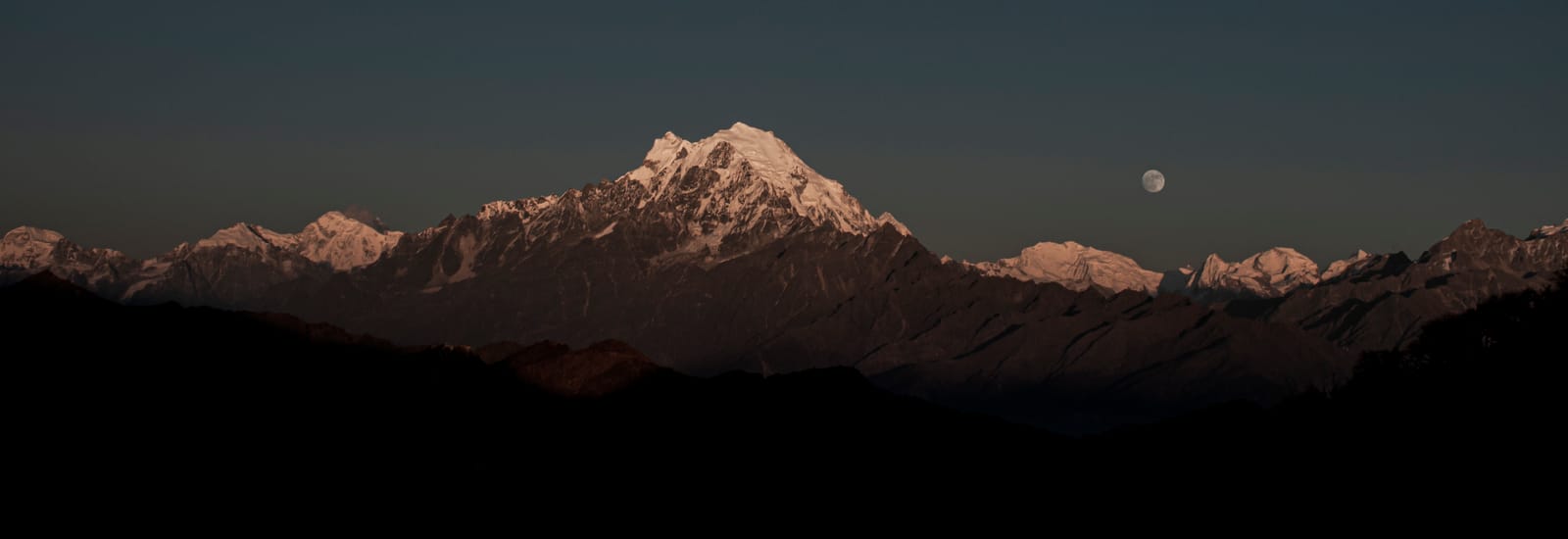
On 26 August 2026 a piece of mountain turned into water and took villages, bridges and more than a thousand lives with it. I have lived here for fifteen years. Here is what happened, what is open, how you can help today, and why your trip in October is the biggest help of all.
 Articles
Nepal's Mustard Season: The Golden Fields
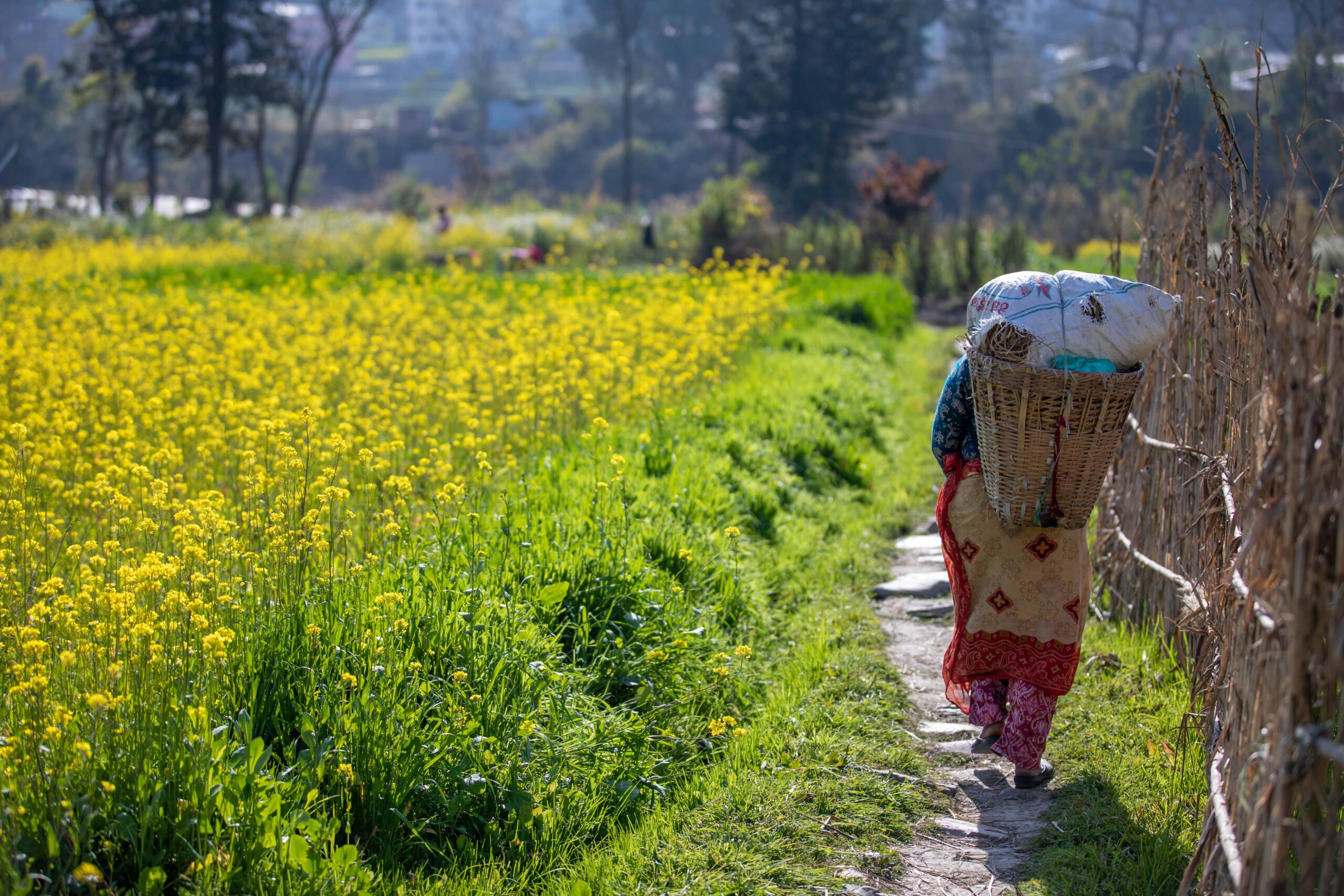
Every winter Nepal's countryside turns yellow with blooming mustard fields — when they bloom, where to see them, and why it's a dream for photography.
 Articles
Culture & Etiquette in Nepal: Religions, Temples, Festivals & Customs
Hinduism and Buddhism, temples and stupas, the great festivals (Dashain, Tihar, Holi, Shivaratri), the living goddess Kumari, and the unwritten rules of respect — everything a traveller should know.