Annapurna: The Complete Trekking Guide to Nepal's Most Popular Region
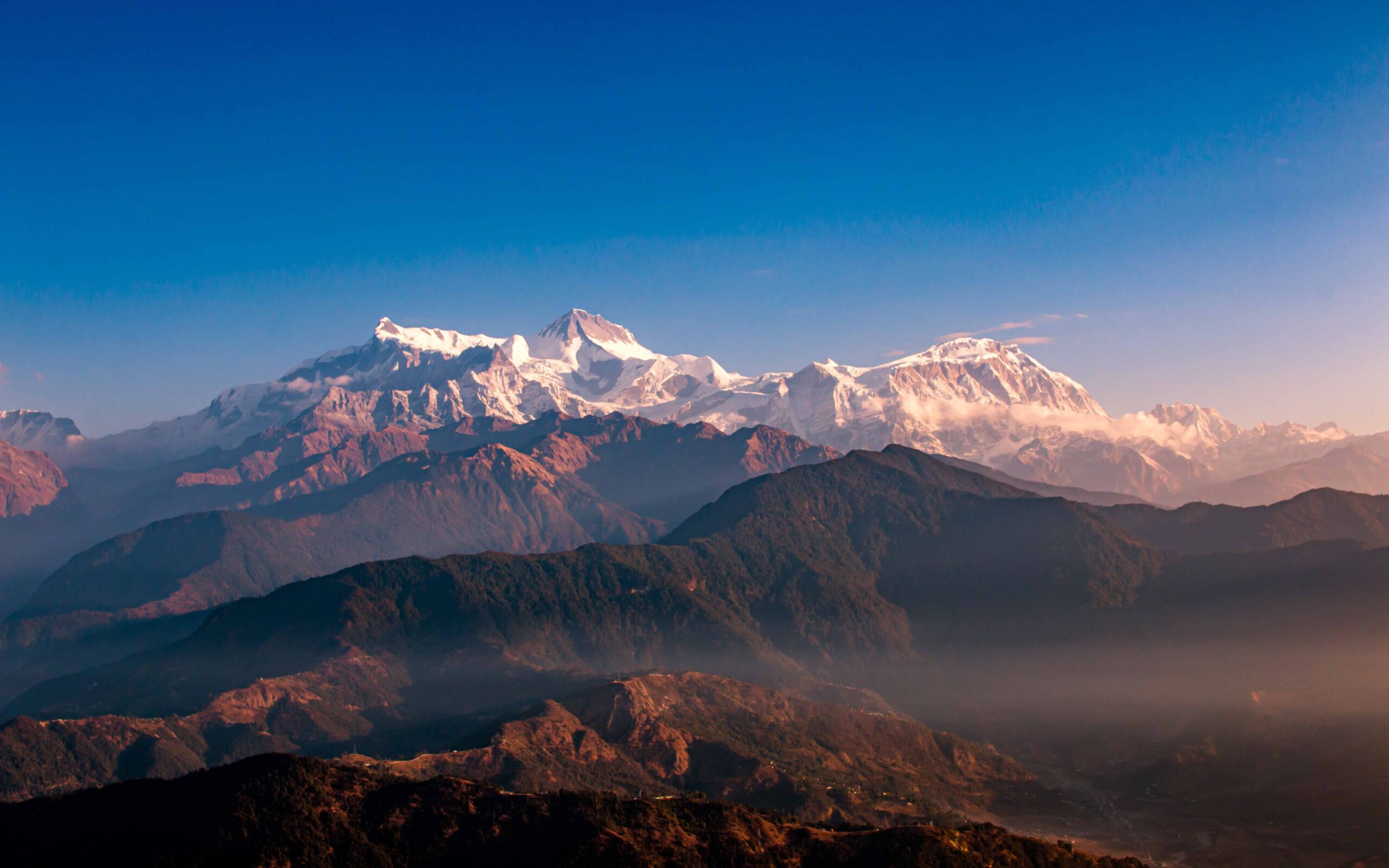
If there is one region every trekker should see in their lifetime, it is Annapurna. In the heart of the central Nepalese Himalaya, the Annapurna massif packs 8,000-metre peaks, deep gorges, Gurung and Magar villages, rhododendron forests and alpine meadows into a remarkably compact area. It is no accident that the region hosts some of the most popular trekking routes on Earth — and it is, by far, the most accessible way for a traveller from Greece to get close to the great Himalaya.
This guide walks through the whole "family" of Annapurna routes — from the five-day Poon Hill for beginners to the legendary Annapurna Circuit — together with the practical information you actually need: how to get there via Pokhara, which permit you need, when to go, what drives the cost and which route suits your level.
Why Annapurna is the No.1 trekking region
The Annapurna region consistently ranks first or second in visitor numbers among all of Nepal's trekking areas, and for good reason:
- Something for every level: from short, easy walks to demanding two-week treks over passes above 5,000m.
- Comfortable tea houses: unlike more remote regions, here you sleep in warm lodges and eat at every stop — no tent or supply expedition required.
- Easy access: every trailhead sits close to Pokhara, Nepal's tourism "second capital", a mere 25-minute flight from Kathmandu.
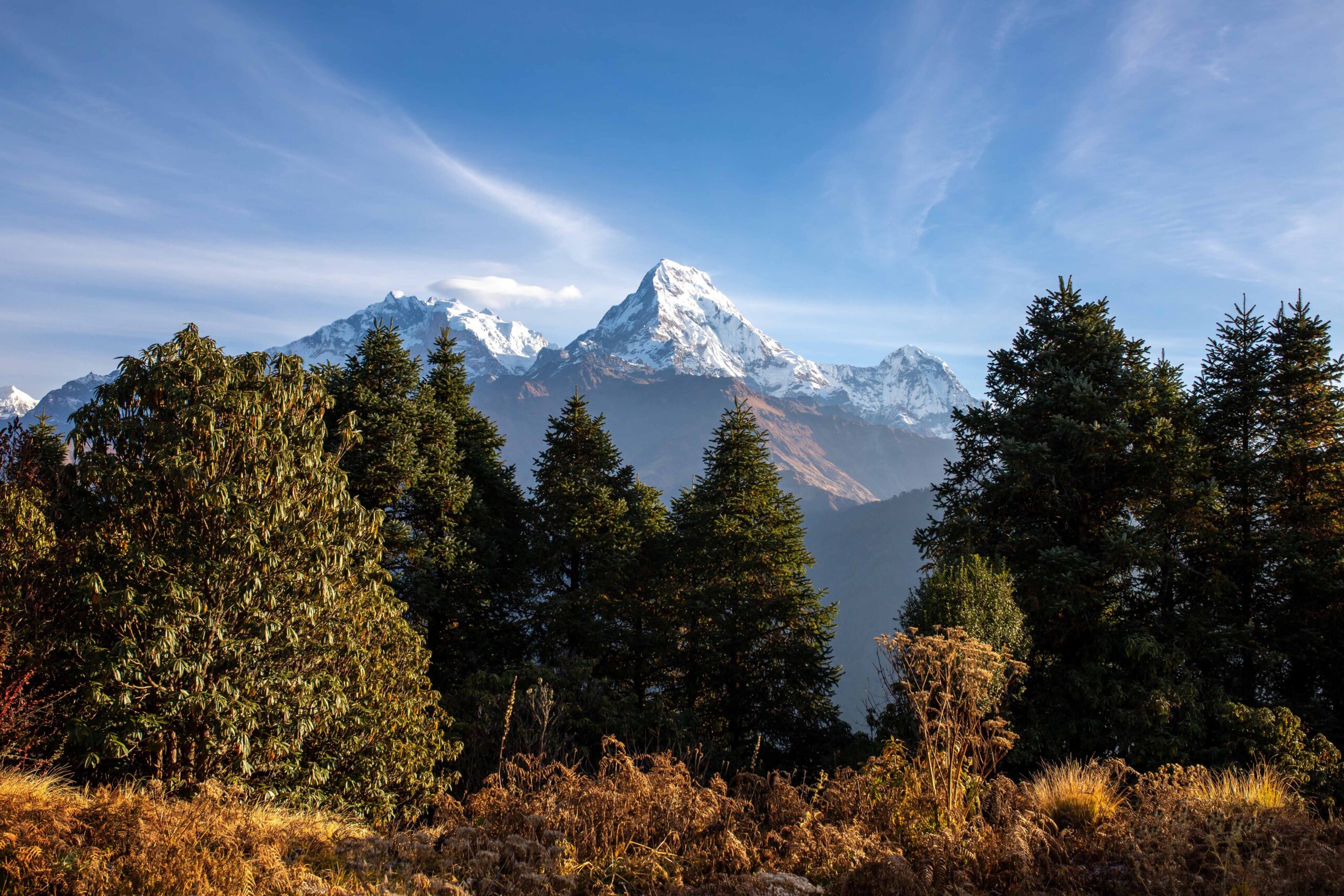
- Breathtaking views: few trails on the planet bring you this close to so many giant peaks — Annapurna I, Machapuchare, Dhaulagiri, Nilgiri, Hiunchuli.
If you want the big picture across all regions (Everest, Langtang, Manaslu and more), start from our main guide to trekking in Nepal and come back here for the Annapurna specifics.
The Annapurna massif at a glance
"Annapurna" (from Sanskrit, "full of food") is not a single peak but an entire massif. It helps to know the "protagonists" you will keep seeing on the skyline:
- Annapurna I (8,091m): the tenth-highest peak on Earth and, historically, the first mountain above 8,000m ever climbed (French expedition, 1950). It remains one of the deadliest to summit.
- Machapuchare / "Fishtail" (6,993m): the sacred, "forbidden" fishtail-shaped peak towering over Pokhara — its summit has never officially been climbed, out of respect for the god Shiva.
- Dhaulagiri (8,167m): the seventh-highest peak, on the far side of the Kali Gandaki gorge — one of the deepest canyons in the world.
- Nilgiri, Hiunchuli, Gangapurna, Tilicho Peak: the "crown" that completes the panorama.
Standing in the amphitheatre of the Annapurna Sanctuary, encircled 360° by frozen giants, is the reason so many trekkers come back again and again.
Getting there: the gateway is Pokhara
There is no direct flight from Greece to Nepal. You will fly Athens → Kathmandu with one stop (via Istanbul with Turkish, Doha with Qatar, or Dubai/Abu Dhabi), for a total travel time of about 12–18 hours and a return fare of €430–800 depending on the season. More in our general Nepal travel guide.
From Kathmandu to Pokhara — the starting point for almost every route — you have three options:
- Flight (25 minutes): the fast option, with spectacular Himalayan views from the window.
- Tourist bus (6–8 hours): ~200 km on the Prithvi Highway, cheap and comfortable.
- Private vehicle: the most flexible option, ideal for groups.
From Pokhara, a short jeep ride drops you at the trailheads (Nayapul, Kimche, Siwai, Kande) and the trail begins.
The main routes at a glance
Five routes attract the most interest. The table below sums them up so you can choose quickly:
| Route | Duration | Max altitude | Difficulty | Best for |
|---|---|---|---|---|
| Poon Hill / Ghorepani | 4–5 days | 3,210m | Easy | Beginners, short trips |
| Mardi Himal | 5–7 days | ~4,500m | Moderate | Quiet trails, close-up views |
| Annapurna Base Camp (ABC) | 7–11 days | 4,130m | Moderate | A first big trek |
| Tilicho Lake | +2–3 days (side trip) | 4,919m | Demanding | Experienced hikers, alpine lakes |
| Annapurna Circuit | 12–18 days | 5,416m (Thorong La) | Demanding | The "ultimate" trek |
Annapurna Base Camp (ABC) — 7–11 days, 4,130m
ABC is the most balanced choice for anyone who wants to experience a "big" Himalayan trek without the extremes of the Circuit. The route passes the picturesque villages of Ghandruk and Chomrong, climbs through bamboo and rhododendron forests and ends in the legendary amphitheatre of the Annapurna Sanctuary at 4,130 metres, with peaks surrounding you in every direction. Because the maximum altitude stays below 4,200m, the risk of altitude sickness is lower than on Everest Base Camp, which makes it an ideal first big trek. An intermediate stop is Machapuchare Base Camp (MBC, 3,700m), and many combine the route with Poon Hill for a bonus sunrise.
Annapurna Circuit — 12–18 days, Thorong La 5,416m
The classic, "ultimate" trek all the way around the massif. You start in subtropical villages and rice terraces and, day by day, climb into alpine and finally arctic terrain, culminating in the Thorong La pass at 5,416 metres — one of the most stirring moments a trekker can experience. You descend to sacred Muktinath (3,760m) and into the sun-baked, "Tibetan" landscape of the Kali Gandaki (Kagbeni, Jomsom). Road construction has shortened the "classic" 18–20-day version: today many complete it in 12–16 days, using jeeps on some sections. It demands good fitness and proper acclimatisation.
Poon Hill / Ghorepani — 4–5 days, 3,210m
The perfect introduction to Himalayan trekking and the ideal choice if you have only a few days. The highlight is sunrise from Poon Hill (3,210m), as the sun successively "ignites" the Dhaulagiri and Annapurna peaks. The trail passes the lovely villages of Ghorepani and Ghandruk and their famous stone staircases. Short, gentle altitude, excellent tea houses — suitable even for families and beginners.
Mardi Himal — 5–7 days, ~4,500m
A newer, quieter route officially opened in 2012 that has become a favourite for those who want to avoid the crowds. It climbs a ridge with direct, "close-up" views of Machapuchare (Fishtail) and Annapurna, ending at the Upper Viewpoint (~4,500m). Ideal as a second trek, or for anyone who wants something more adventurous than Poon Hill without the days of ABC.
Tilicho Lake — 4,919m
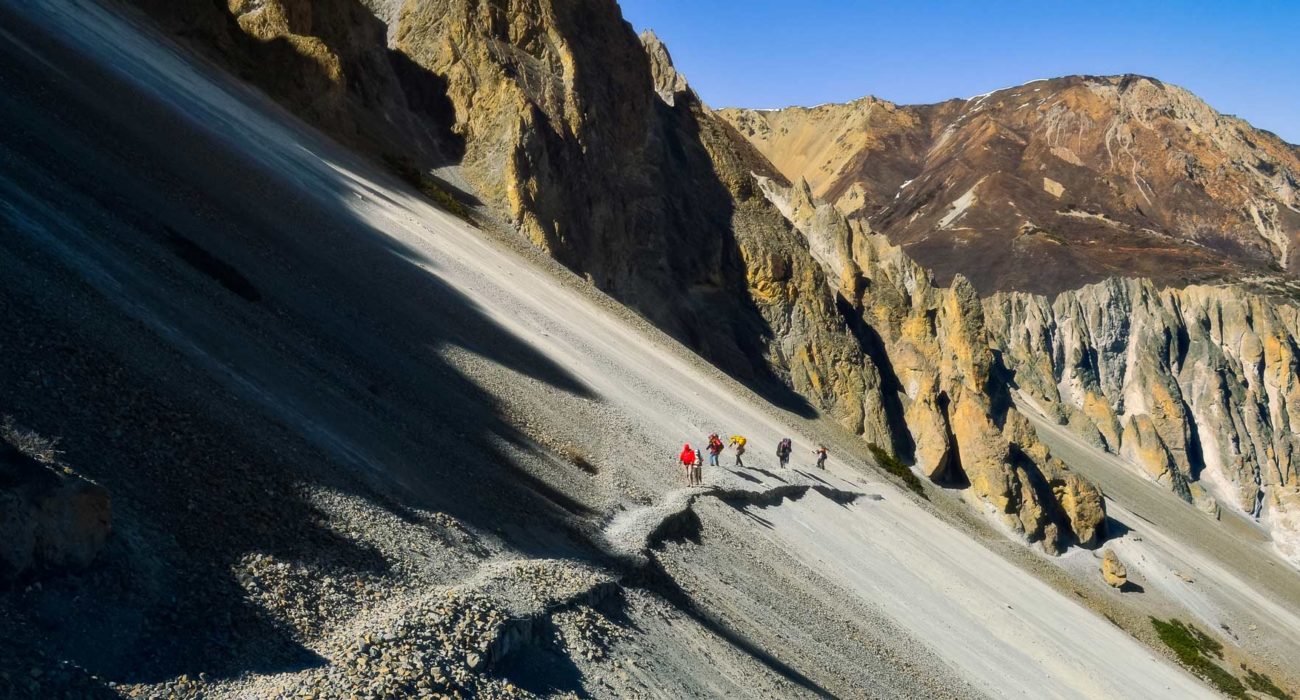
Usually added as a side trip on the Annapurna Circuit: a demanding climb to one of the highest lakes in the world (4,919m), with frozen turquoise water beneath enormous rock walls. The stretch to Tilicho Base Camp is known for its dangerous, unstable slopes — it requires experience, good acclimatisation and attention to the weather.
ACAP: the permit you need
The whole region is protected as the Annapurna Conservation Area, Nepal's largest protected area. To trek here you need:
- ACAP (Annapurna Conservation Area Permit): about NPR 3,000 (~€22) for foreigners. It is mandatory on every route.
- TIMS card: in practice it is no longer checked in the Annapurna region (unlike Langtang/Manaslu/far-west). Confirm the current practice for the year you travel.
You obtain the permits easily at the Nepal Tourism Board offices in Kathmandu or Pokhara — bring your passport and passport photos. Important: since April 2023 a rule has been in force making a licensed guide mandatory in many areas; confirm this before you leave, as enforcement has changed over time. A good guide is not merely a formality: it dramatically increases safety at altitude and enriches the whole journey.
When to go: the seasons
Your choice of season largely determines whether you see clear peaks or clouds. See our detailed best-time guide and the climate of Nepal; in short:
| Season | Months | What to expect |
|---|---|---|
| Autumn (peak) | Oct–Nov | Clear skies, stable weather, ideal visibility — but more people. |
| Spring | Mar–May | Rhododendrons in bloom, warm days; a slight haze on the horizon towards the end. |
| Winter | Dec–Feb | Clear views but cold and possible snow on the passes (Thorong La may close). |
| Monsoon | Jun–Sep | Rain, leeches, cloud — generally avoided (exception: the rain-shadowed Mustang). |
Difficulty, fitness & altitude sickness
None of these treks is technical mountaineering — you need no ropes or crampons. What they demand is endurance (many hours of walking up and down stone steps, day after day) and respect for altitude. The basic safety rule:
- Above 3,000m, do not increase your sleeping altitude by more than 300–500m per day.
- Follow the "climb high, sleep low" principle.
- Hydration, a slow pace and an acclimatisation day at the critical points.
- Diamox (acetazolamide, 125mg × 2/day) helps as prevention — discuss it with a doctor.
- At the first serious symptoms (headache, dizziness, persistent nausea), the only sure cure is to descend.
A travel insurance policy that covers trekking above 4,000m and helicopter evacuation is essential, not optional.
What drives the cost
Nepal remains one of the most affordable trekking destinations in the world, but no route comes with a single fixed price. The cost is shaped by the route (a five-day Poon Hill or an eighteen-day Circuit), the season, the size of the group, whether you want a guide and a porter, the comfort level of the lodges, and the transfers to and from Pokhara.
The only figures known in advance are the fixed third-party costs: the ACAP permit (~€22) per person, a dal bhat in the tea houses (€2–5) and the flight from Greece (€430–800), plus your own spending in Kathmandu and Pokhara.
Tell us which route suits you — from the five-day Poon Hill to the Circuit — and when you want to go. Ask us for a quote.
Sample itineraries
Poon Hill — 5 days (easy): Pokhara → Nayapul/Ulleri → Ghorepani → sunrise at Poon Hill → Ghandruk → back to Pokhara.
Annapurna Base Camp — 10 days (moderate): Pokhara → Ghandruk → Chomrong → Bamboo → Deurali → MBC → ABC (4,130m) → descent via Jhinu (hot springs) → Pokhara.
Annapurna Circuit — 16 days (demanding): Besisahar → Chame → Pisang → Manang (acclimatisation day) → Yak Kharka → Thorong Phedi → Thorong La pass (5,416m) → Muktinath → Kagbeni/Jomsom → Pokhara. Optionally +2–3 days for Tilicho Lake.
Combine it with the rest of Pokhara
Before or after your trek, Pokhara offers rest beside Fewa Lake and adrenaline activities: a zipline from Sarangkot, paragliding with Himalayan views and rafting on the region's rivers. It is the perfect "cushion" before and after your days on the mountain.
Annapurna with Dimitris
You can experience Annapurna as an independent trekker — but if you want the journey to be completely carefree, there is also a premium option. Through Elysian Himalaya, Dimitris organises private, guided Annapurna treks with experienced licensed guides, careful acclimatisation planning, hand-picked lodges and full support from Athens all the way to Base Camp. If you prefer the company of a Greek group, take a look at the Nepal group tour too.
Whichever route you choose, Annapurna is not just a trek — it is the most direct, human "welcome" to the Himalaya. And once you have lived it, you will understand why so many keep coming back.
Gallery
Frequently asked questions
- Poon Hill (Ghorepani–Ghandruk, 4–5 days, max altitude 3,210m) is the perfect introduction: short, gentle altitude and comfortable tea houses. Mardi Himal is a good second option.
- Yes, you need the ACAP permit (about NPR 3,000, ~€22). The TIMS card is no longer checked in the Annapurna region. Since 2023 a mandatory licensed-guide rule also applies — confirm the current status before you go.
- Annapurna Base Camp (7–11 days, 4,130m) is shorter and easier, ideal for a first big trek. The Circuit (12–18 days, Thorong La pass 5,416m) is longer, more demanding and far more varied in scenery.
- There is no single price. The cost depends on the route, the season, the size of the group, the length, whether you take a guide and a porter, and the comfort level of the lodges. The only fixed item is the ACAP permit (~€22), while in the tea houses dal bhat costs €2–5. Tell us what you have in mind and we will send you a quote through our contact page.
- Autumn (Oct–Nov) and spring (Mar–May) are ideal, with clear skies and stable weather. Avoid the monsoon (Jun–Sep) because of rain and leeches.
- Every route starts from Pokhara. From Athens you fly with one stop to Kathmandu (~12–18 hours, €430–800), then on to Pokhara by a 25-minute flight or a 6–8 hour tourist bus.
Keep reading
Related articles
 Activities
Trekking in Nepal: The Complete Hiking Guide
The definitive guide to trekking in Nepal: teahouse trekking, the main regions, a comparison of the top treks, permits, seasons and how to choose your route.
 Trekking
Annapurna Base Camp Trek (ABC): The Complete Guide
The 'amphitheatre of the gods' at 4,130m: a day-by-day itinerary, difficulty, ACAP permits, seasons and how to combine it with Poon Hill.
TrekkingAnnapurna Circuit: The Complete Guide to the Legendary Trek
Everything about the Annapurna Circuit: 12–18 days, the Thorong La pass at 5,416m, a day-by-day itinerary, acclimatization, ACAP permits and the best seasons.