

The sentence I hear most from people dreaming of Nepal is: "I'd love to, but I've never done anything like it." It's usually followed by: "Isn't it only for athletes?" It isn't. Most Nepal treks follow trails, with lodges every few hours and no ropes or crampons. The question is not whether you have experience, but whether you picked a route that fits your time, your stamina and your temperament.
This guide explains what "beginner" means in practice, how much preparation is enough, why altitude matters more than distance, and how the two most common first choices, Poon Hill and Langtang, compare with lower alternatives. We also cover guides, gear and cost without quoting figures that will have changed by the time you read them.
To be honest from the start: no trek is free of difficulty, and none comes with guaranteed weather or comfort. But some routes forgive the mistakes first-timers make, and those are the ones worth starting with.
What "beginner" actually means
In Nepal a beginner is not someone who has never climbed a mountain. It is someone who hasn't walked many days in a row with a pack, hasn't slept at altitude and doesn't yet know how their body reacts after the third climb of the week. All of that can be learned, even on the trail itself, as long as the first route is short and leaves room to turn back.
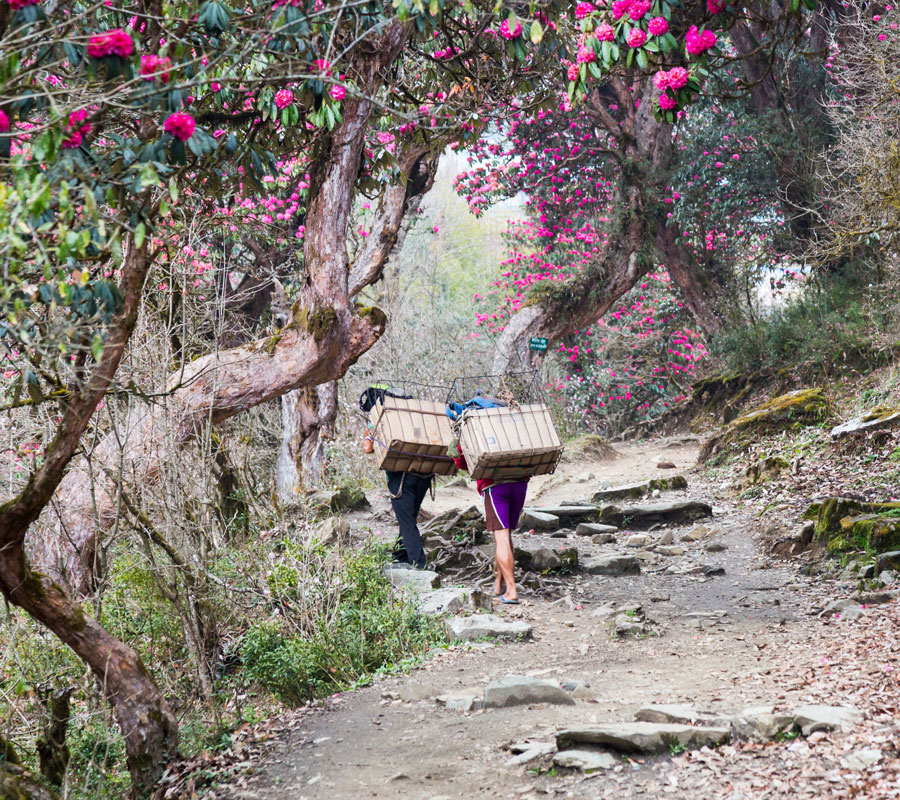
Teahouse trekking helps enormously: you sleep in a lodge, eat hot food and carry no tent or supplies. What's left to manage is stamina, cold, fatigue and pace. For the wider picture of how this style of walking works, see our complete guide to trekking in Nepal.
My experience in the mountains is that the people who struggle are rarely the unfit. They are the ones who rush, who don't admit they're tired, and who picked a route to impress someone else. A modest beginner who walks slowly usually arrives happier than the overconfident one who set off first.
Fitness: how much is enough
You don't need marathon training. You need to cope with many hours of walking, uphill and downhill, day after day. The best preparation resembles the trek itself: hikes on hills or mountains with a pack, ideally several days in a row, plus stairs and slopes in daily life.
Aerobic fitness (brisk walking, cycling, swimming, easy running) helps, as does strength in the legs and core, because descents tire the knees more than most people expect. Start preparing months ahead rather than in the last two weeks, and use the boots and pack you will really wear.
If you have any heart, lung, blood-pressure or knee problem, or take regular medication, talk to a doctor before booking anything. I can't assess you remotely and shouldn't; your doctor can, and it's worth telling them clearly that you plan to walk at altitude.
Altitude: the factor you can't train
Fitness does not protect you from altitude sickness. A very fit person can get it and an unfit one may not. What counts is how fast you gain height and where you sleep. That is why a beginner's first route should have a moderate sleeping altitude and a flexible schedule.
The practical rule I give everyone: if you develop a persistent headache, nausea, dizziness or unusual exhaustion, tell your guide straight away and don't go higher. Descending is often the right call and not a failure. For symptoms, prevention and safety limits, read our guide to altitude sickness in the Himalayas.
For preventive medication, or insurance that covers altitude and helicopter evacuation, check the details with your doctor and your insurer before travelling, line by line in the policy.
Pace: the beginner's secret
In Nepali they say "bistari, bistari", slowly, slowly. It is the most useful advice you'll receive. The right pace lets you talk comfortably while walking. If you are gasping to answer a question, you're going too fast.
Good days start early: breakfast, departure, short stops for water and tea, a hot lunch and arrival at the next lodge in the early afternoon so you can rest before dark. Afternoons in the Himalayas often cloud over and cool down, so there is nothing to gain from walking late.
One habit helps a lot: frequent short breaks rather than a few long ones, and eating even when you aren't hungry. And don't let a group or guide push you into someone else's tempo. Yours is the only one that matters.
Which route: Poon Hill, Langtang or something lower
For a first trek the most sensible choice is almost always Poon Hill: a few days, moderate altitude, frequent villages and the easiest logistics if something goes wrong. Its difficulty lies in the stone stairs and the early sunrise start, not in altitude or technique.
Langtang is quieter and feels like more serious mountains, but it climbs higher and takes more days. Important: the region was hit by a recent disaster and access may be restricted or closed. Before planning anything there, confirm the current situation with official sources and your operator.
If you want something even lower, there are short routes through villages and forest at lower altitude, mainly around Pokhara, that suit anyone wanting a first taste without pressure. The table sums up the differences.
| Option | Character | Best for | Watch out for |
|---|---|---|---|
| Poon Hill | Short, villages and a sunrise | Complete beginners, families | Stairs, cold pre-dawn start |
| Lower routes around Pokhara | Gentle, forest and villages | Those wanting a first taste without pressure | Less dramatic views |
| Langtang | Quiet valley, more days | Those who have already tried a multi-day walk | Altitude, current access and regional status |
Guide, porter and permits
For a beginner a guide isn't a luxury but a safety net. They know the pace, the weather, the lodges and when you should stop. Rules in protected areas have also tightened in recent years and they change, so confirm current permit and guide requirements before you go.
State fees and permits exist depending on the area. I don't quote amounts because they get revised; your operator or the relevant official authorities are the right source.
A porter is optional, but for anyone worried about their back or knees it makes a big difference: you walk with a small pack and your attention stays on the view rather than the weight. It's worth choosing an operator that treats its staff fairly, with proper equipment and insurance.
Gear that matters
The essence is a few well-tested items. Hiking boots you have already worn many times, because new ones bring blisters. Layered clothing: a durable base layer, fleece, warm jacket and a waterproof windproof shell. Hat, gloves, headtorch, sunscreen and sunglasses.
Poles help on descents, a bottle with purification tablets or a filter cuts plastic waste, and a sleeping bag suited to your season is useful, though many lodges provide blankets. Much of what you lack can be rented or bought in Kathmandu or Pokhara, but boots are not something to leave for there.
Pack less than you think. Every unnecessary kilo is felt on every climb, and it is the most common mistake first-timers make.
Cost: what pushes it up and down
There is no single price for a beginner trek. Cost rises with peak season, with fewer people in the group, with more days, with a private guide and porter, with more comfortable lodging and with more complex transport. Remote areas and domestic flights add to it as well.
It falls when the group is larger and shares guide and transport, when the route is short and reachable by road, and when you travel outside the busiest periods, provided you accept more weather risk. It is worth spending more on a reliable guide, proper insurance and a schedule with a spare day.
If you need a number, the price is shaped per trip. Tell us how many days you have, the season and your level, and ask us for a quote.
Red flags you shouldn't ignore
Be wary of offers promising "Everest in a few days" or programmes with no acclimatisation days. Also suspicious: an itinerary with no buffer for flight or weather delays, an operator who says nothing about safety and altitude, and anyone telling you insurance isn't needed.
On the trail, a persistent headache, nausea or dizziness are mild symptoms: tell your guide straight away and don't go higher. Confusion, loss of balance, breathlessness even at rest, or a worsening cough are emergency signs: descend immediately with your guide and seek emergency help, even in the middle of the night. If a guide or lodge seems to play down serious symptoms, don't wait: start descending and call for help.
And a more human flag: if you feel pushed to continue because "it's already paid for", don't accept it. No summit is worth more than your health.
How to decide
Start from the time you have and how comfortably you walk for many hours. With about a week and no experience, Poon Hill or a lower route around Pokhara is the calmest beginning. If you enjoy it and want more, your next trek can be chosen with real information about how your body responds.
Leave slack in the schedule, check insurance and current requirements, and talk to someone who knows the area. If you'd like to discuss it, tell us what kind of walker you are and we'll say honestly what fits, even if that means starting smaller than you dreamed.
Frequently asked questions
- Yes, provided you choose a short route at moderate altitude, such as Poon Hill, and train beforehand with walks carrying a pack. You need stamina and patience more than experience. If you have any health concerns, speak with a doctor first.
- Aim for several months of regular activity: brisk walking, hills, stairs and long days on foot with a pack, ideally on consecutive days. Your training should resemble the trek. For personal guidance on a programme, ask a doctor or a qualified trainer.
- Poon Hill is widely seen as the friendliest choice: short, with frequent villages and moderate altitude. There are also lower routes around Pokhara for anyone wanting an even gentler introduction. Always confirm current conditions before you travel.
- It is possible for a well-prepared beginner, but it climbs higher and takes more days than Poon Hill. The region was also affected by a recent disaster and access may be restricted, so you need to confirm the current status with official sources.
- Almost always yes, and in many areas a guide is required by regulations that change over time. A guide knows pace, weather and lodges, and knows when you should stop. Confirm current permit and guide requirements with your operator before you book anything.
- Tell your guide immediately, don't go any higher and rest. If symptoms persist or worsen, descending is the safe choice. Confusion, loss of balance or breathlessness at rest require immediate descent, not rest. For medical decisions, follow the advice of a health professional and the terms of your insurance.
- The price is shaped per trip and depends on the season, group size, length, guide, porter and lodge comfort. There is no single figure. Tell us what you are planning and we will send you a proposal.
Keep reading
Related articles
 Activities
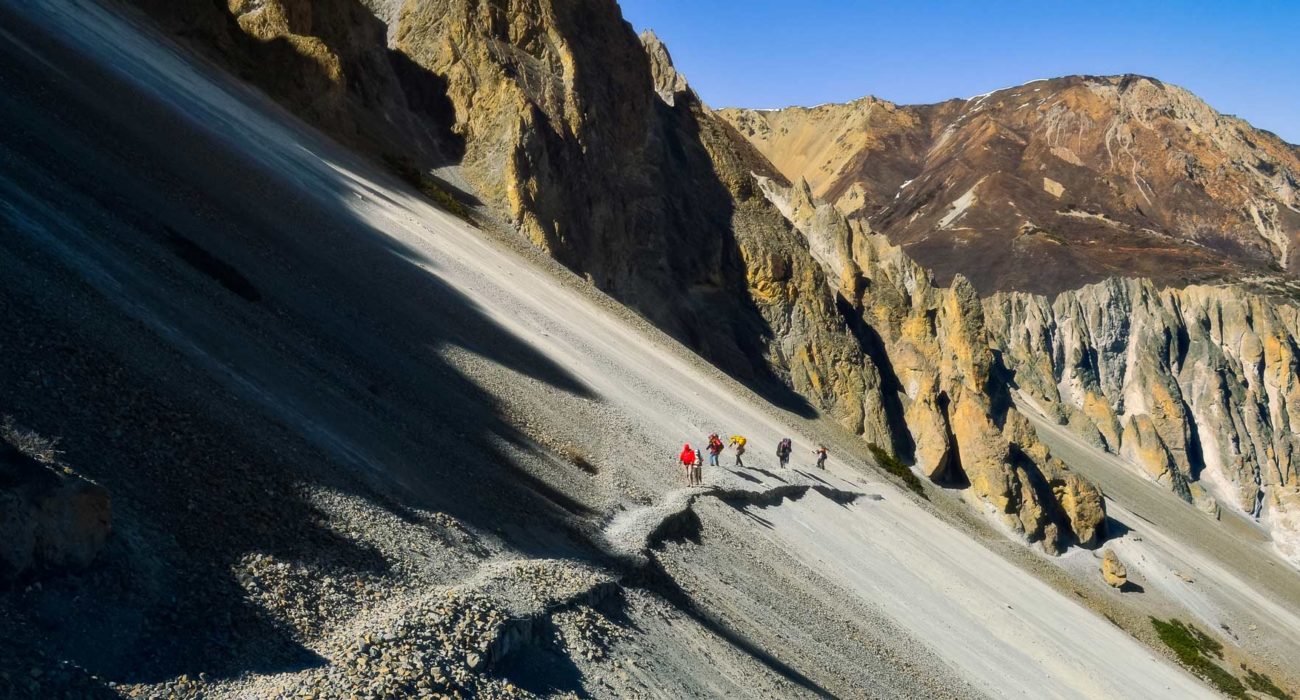
Trekking in Nepal: The Complete Hiking Guide
The definitive guide to trekking in Nepal: teahouse trekking, the main regions, a comparison of the top treks, permits, seasons and how to choose your route.
 Trekking
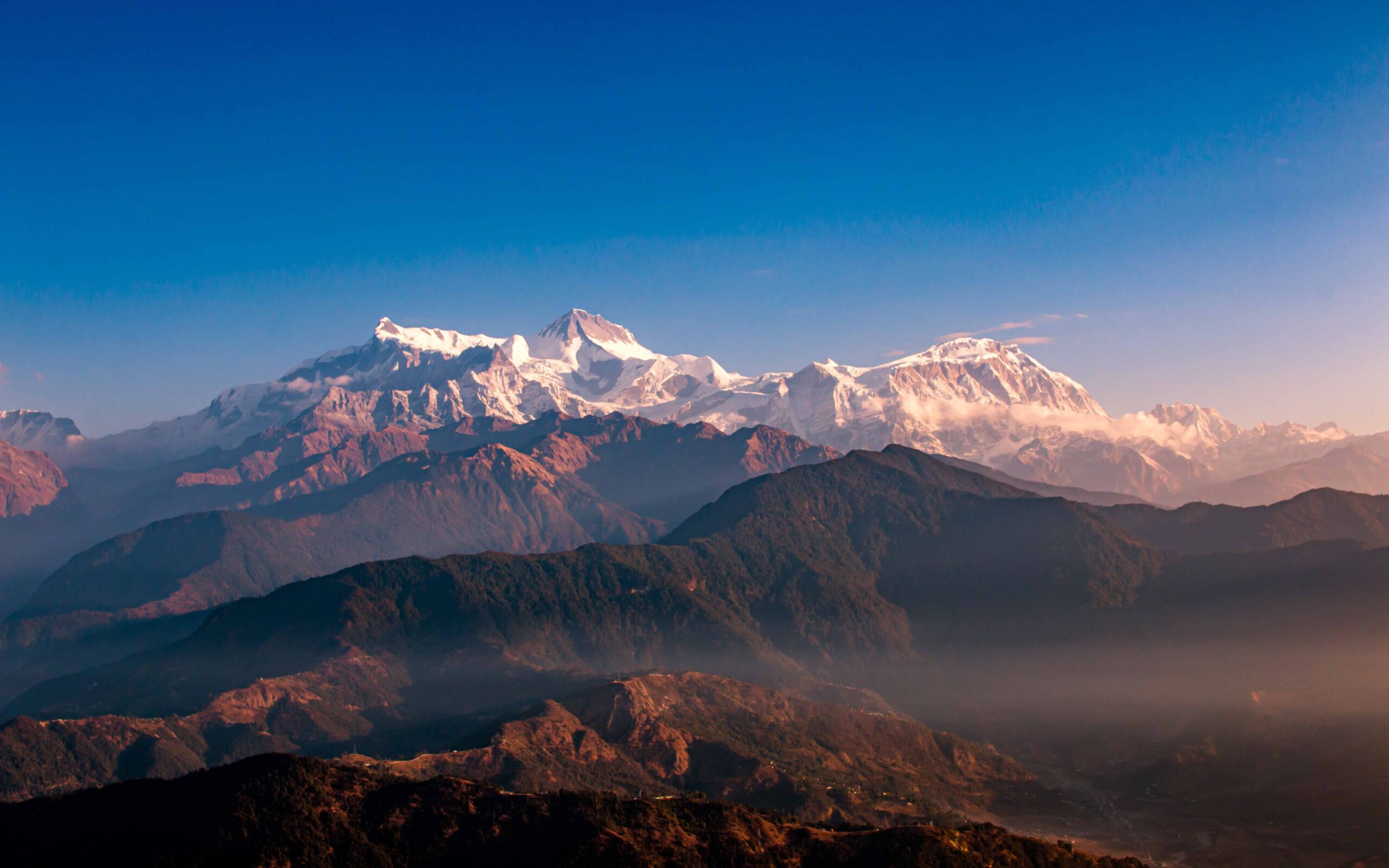
Annapurna: The Complete Trekking Guide to Nepal's Most Popular Region
The Annapurna massif, the top routes (ABC, Circuit, Poon Hill, Mardi Himal, Tilicho), the ACAP permit, seasons, sample itineraries and how to choose.
 Trekking
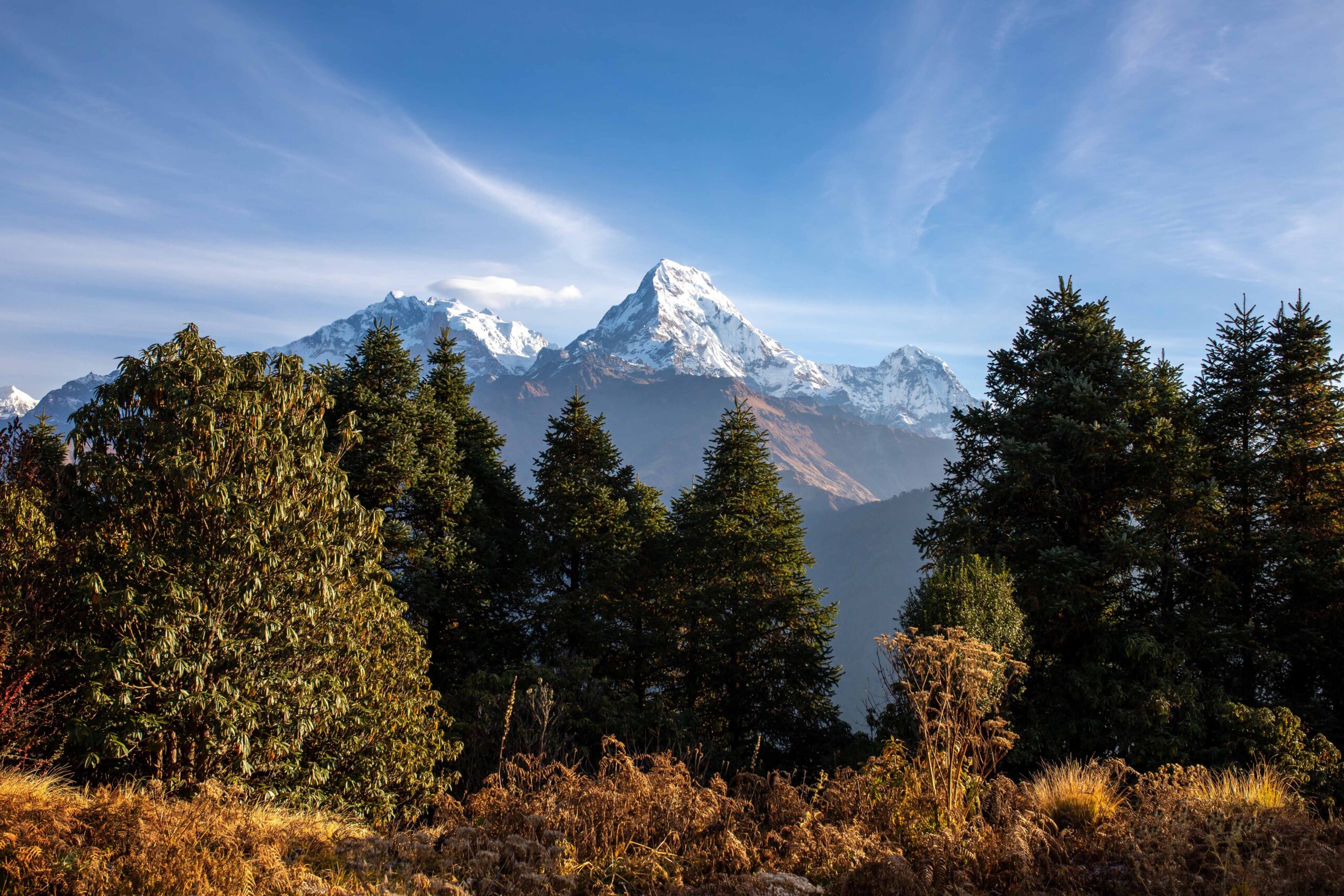
Annapurna Base Camp Trek (ABC): The Complete Guide
The 'amphitheatre of the gods' at 4,130m: a day-by-day itinerary, difficulty, ACAP permits, seasons and how to combine it with Poon Hill.