
Got three days in Kathmandu before you head on to Pokhara or a trek? That's enough — as long as you don't treat it like a checklist. The Kathmandu Valley packs seven UNESCO sites into a few square kilometres, but distance on a map tells you nothing about the traffic, the narrow lanes, or how long it takes each neighbourhood to actually open up in front of you.
This plan organises the three days by neighbourhood and by time of day: the old town of Kathmandu and Thamel, the two great stupas of Swayambhunath and Boudhanath, sacred Pashupatinath on the banks of the Bagmati, and one full day in either Patan or Bhaktapur — the valley's two sister royal cities.
It isn't built to help you see everything at record speed. It's built to leave room for getting around — because in Kathmandu, everything takes longer than the map suggests — and for calm evenings, especially if you've just landed jet-lagged in the middle of a longer Himalayan trip.
How to think about the three days
The first rule is geographic: group the sights by area instead of zigzagging across the valley. Old Kathmandu and Thamel form one cluster; Boudhanath and Pashupatinath sit reasonably close together to the northeast; Patan lies south, across the Bagmati; and Bhaktapur is essentially its own day trip to the east, about 13 km from the centre. In this plan, Boudhanath is placed on day one rather than next to Pashupatinath, purely to catch the sunset and the kora there — that choice costs one extra crossing through traffic, but it's worth it. Try to string them together in random order and you'll spend more time in taxis than in front of temples.
The second rule is about timing. Ticket booths at the Durbar Squares operate roughly 07:00 to 19:00, but the squares fill up with crowds after 10:00. Morning is the quietest and most photogenic time for the big sites, while sunset is unbeatable at Boudhanath. Build the day around those two anchors rather than around a flat list of sights.
The third rule is not to underestimate transit time. A distance that looks like ten minutes on the map can easily become forty in Kathmandu traffic. Always leave a 20-30 minute buffer between two stops, especially if one of them is a sunset appointment at a stupa.
Dimitris says it often: in Kathmandu, distance is measured in minutes of traffic, not kilometres. Two places you actually feel beat four you rushed through with a camera full of photos you won't remember taking.
The plan at a glance
Before we get into the detail of each day, here's the three days in broad strokes: morning, midday and afternoon-evening, with the key stop for each neighbourhood. It isn't an hour-by-hour commitment — Kathmandu traffic rarely keeps to a schedule.
Day one stays close to the centre and Thamel, day two covers the three sacred sites furthest apart, and day three is dedicated entirely to one neighbourhood outside the city. If you prefer a different order, keep the underlying logic: one neighbourhood at a time, not point-to-point on a random route.
| Time | Day 1 | Day 2 | Day 3 |
|---|---|---|---|
| Morning | Arrival, settling in, Kathmandu Durbar Square | Swayambhunath | Bhaktapur — Durbar Square & Taumadhi |
| Midday | A walk around Thamel, light lunch | Pashupatinath | Pottery Square, Newari lunch |
| Afternoon – Evening | Boudhanath for sunset & kora, calm dinner | Patan Durbar Square & Patan Museum, calm evening | Back to Kathmandu, easy evening |
Day 1, morning: arrival and Kathmandu Durbar Square
If you're landing on the morning of day one, don't book anything with a fixed time right away — leave room for immigration at Tribhuvan airport, the visa, and the transfer to Thamel, the district where you'll most likely be staying. A taxi from the airport costs a few euros, indicatively. Give yourself half an hour just to settle in and get oriented before heading out.
The first stop, once you feel ready, is Kathmandu's Durbar Square, the historic core of the old town, just minutes on foot from Thamel. Here you'll find the old royal palace Hanuman Dhoka, the Kumari Ghar — the house of the living goddess Kumari, who briefly appears at her window a few times a day; photographing her is forbidden, just stand in the courtyard and wait — and the rebuilt Kasthamandap, the wooden structure that, by tradition, gave the city its name.
Walk the square without rushing; it's small in area but dense with detail, with pagodas, shrines and everyday life sharing the same space. The foreign-visitor ticket runs roughly 1,000 NPR — confirm it on the spot, as prices shift from time to time. If you're still jet-lagged, this is the ideal first stop: close by, manageable, no long transfers.
Before moving on, give Thamel itself some time: alleys lined with trekking agencies, gear shops and restaurants. If you need a local SIM card or cash in rupees, this is the moment to sort it out, before you need both at some ticket booth.
Day 1, afternoon-evening: Boudhanath and your first calm dinner
The afternoon belongs to Boudhanath, one of the largest Buddhist stupas in the world and the heart of Nepal's Tibetan community, in the northeast of the city. A taxi from Thamel usually takes 20-30 minutes depending on traffic. The huge white dome, laid out as a mandala, is ringed by monasteries and rooftop cafés that look straight out onto the stupa.
The best moment is just before sunset, when hundreds of worshippers begin the sacred circuit — the kora — around the stupa, always clockwise, lighting butter lamps and murmuring the mantra "Om Mani Padme Hum". Join the circuit yourself, clockwise, at the same unhurried pace. It's one of the calmest and, at the same time, most powerful moments you'll experience in the city.
Stay for dinner at one of the rooftop cafés around the stupa, or head back to Thamel if you'd rather be somewhere more familiar. Either way, keep the evening short. The first jet-lagged night is not the time for big plans — the rest of your days in the valley will go much better if you actually rest now. Entry to Boudhanath runs roughly 400 NPR.
Day 2, morning: Swayambhunath, the Monkey Temple
Start day two early, before 09:00 if you can, heading for Swayambhunath, on a hill to the west of the city. You reach the top via 365 steps — not difficult, but better done before the day heats up. The white stupa, with its famous "Buddha eyes" gazing in all four directions, is one of the oldest shrines in the valley.
The nickname "Monkey Temple" isn't random: troops of macaques live there permanently and are well used to visitors. Keep bags zipped and food out of sight — they're not aggressive, but they're practised at grabbing anything left unguarded. From the top, on a clear day, unfolds the best panoramic view of all Kathmandu.
Give Swayambhunath an hour to ninety minutes total, including the climb. The foreign-visitor ticket runs roughly 200 NPR. Afterward, head down and plan the transfer to the day's next stop, Pashupatinath, on the eastern side of the city — allow 25-35 minutes by taxi.
Day 2, midday: Pashupatinath
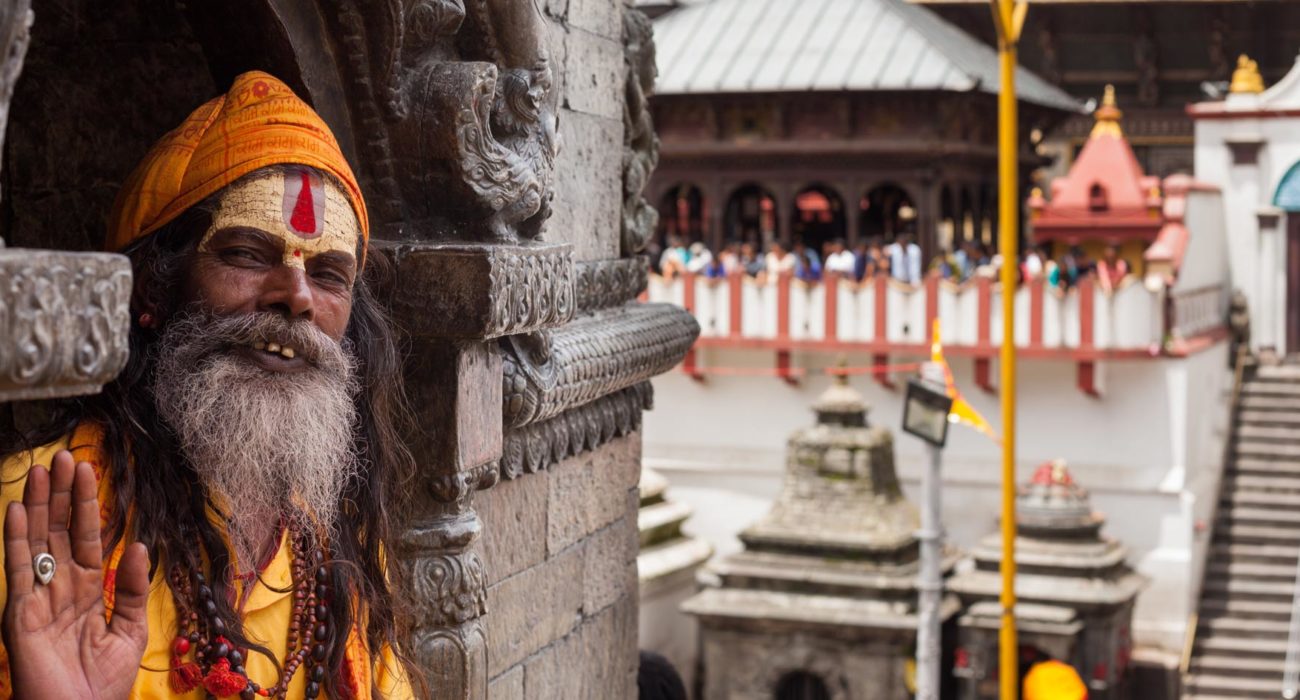
Pashupatinath is Nepal's holiest Hindu temple, dedicated to Shiva, spread along the banks of the sacred Bagmati river. The main sanctum admits Hindus only; everyone else views it from the opposite bank, which takes nothing away from the experience — if anything, it gives the distance that such a deeply ritual scene calls for.
Public cremations take place on the river ghats, a powerful scene that is honestly not an easy one. It calls for silence, respect and no photographs at the ghats or of the cremations. If you'd rather not see it up close, you can simply walk the surrounding area and admire the complex's architecture. You'll also meet sadhus, the ascetics with painted faces, who often agree to be photographed for a small tip — ask before you shoot.
Dress modestly for the visit and allow 45-60 minutes. The ticket runs roughly 1,000 NPR. After Pashupatinath, stop for a light lunch before continuing to Patan in the afternoon — the transfer takes time because you cross the city traffic and the Bagmati.
Day 2, afternoon-evening: Patan
Patan, officially Lalitpur, lies south of Kathmandu, across the Bagmati river, and moves at a different pace from the capital — more concentrated, more artistic, less noisy. Allow 30-45 minutes by taxi from Pashupatinath. Patan Durbar Square is considered by many the most elegant of the valley's three royal squares, with the stone Krishna Mandir temple dominating the square.
Inside the old palace sits the Patan Museum, one of the finest museums in Asia for anyone who wants to understand Hindu and Buddhist iconography without getting lost in detail. A few minutes away stands Hiranya Varna Mahavihar, known as the Golden Temple, a Newar Buddhist monastery with gilded surfaces and ritual movement. More on the district and the metal workshops around Mangal Bazaar is in our detailed guide to Patan.
Sit at a café overlooking the square for the late afternoon — Patan is smaller than Kathmandu and gives you room to notice details: students passing by, flower sellers, bells. The ticket runs roughly 1,000 NPR. Have dinner nearby, or take a taxi back to Thamel for a calm evening before your third and final day.
Day 3: Bhaktapur, the medieval city
Day three is worth dedicating entirely to Bhaktapur, the valley's medieval museum-city. It lies about 13 km east of Kathmandu, and a taxi usually takes 45-75 minutes depending on traffic. Start early, before the square fills with tour buses, to catch the town at its quietest. A detailed guide to what you'll see is in our article on Bhaktapur.
Bhaktapur Durbar Square holds the 55-Window Palace, the Golden Gate, and temples rebuilt after the 2015 earthquake. A few minutes away, in Taumadhi Square, rises the five-tier Nyatapola pagoda, the tallest in Nepal — one of the most imposing monuments you'll see in the entire valley. The ticket, roughly 1,800 NPR, is the priciest of the area's monuments, but it covers the whole old city.
Continue on to Pottery Square, where clay pots dry in the sun and small workshops operate almost like an open-air museum. Bhaktapur isn't just a sight; it's a living town, so leave time to wander the lanes, admire the carved wooden windows, and stop for juju dhau, the famous "king curd". Walk without a plan for an hour — it's some of the best-spent time of the whole three days.
If you'd rather wrap up the trip earlier in the afternoon, Bhaktapur fits comfortably into half a day too. But if you enjoy a slower pace, a full day here rewards more than any other single spot in the valley — it's the clearest picture of a medieval Newar town you'll find.
Alternatives for day three: Patan, Bhaktapur or Nagarkot
The plan above puts Patan on day two and Bhaktapur as a full day three. If you'd rather stay closer to the city and skip a second long transfer, swap Bhaktapur for a slower second visit to Patan, or for the ancient Changu Narayan temple, the least-known — and so the quietest — of the valley's seven UNESCO sites.
If a night outside Kathmandu doesn't bother you, Nagarkot is a strong alternative: a hill village about 30 km east, at roughly 2,100 m, known for sunrise over the Himalayas on a clear day, and it pairs naturally with Changu Narayan on the way back. If you're thinking of extending your trip beyond three days, the ready-made Nepal itineraries show how to link Kathmandu with Pokhara, Chitwan or a short trek.
Practicalities: getting around, tickets, pacing
Taxis are the most convenient option for the longer distances, but the fare is usually negotiated before you get in, or you ask for the meter. Apps like Pathao or InDrive help you get a sense of a fair price. Inside old Kathmandu and Thamel, your feet are the best transport — the lanes are narrow and often closed to cars.
Always carry cash in rupees; monument tickets and most taxis don't take cards. The prices below are indicative for foreign visitors and shift from time to time — confirm them before you travel, or at the ticket booth itself.
- Kathmandu Durbar Square: roughly ~1,000 NPR
- Patan Durbar Square: roughly ~1,000 NPR
- Bhaktapur Durbar Square: roughly ~1,800 NPR
- Swayambhunath: roughly ~200 NPR
- Boudhanath: roughly ~400 NPR
- Pashupatinath: roughly ~1,000 NPR
Food and calm evenings
Food in Kathmandu is part of the experience, not just a necessity. Momo — dumplings filled with buffalo, chicken or vegetables — cost a couple of euros a portion and turn up everywhere, from street stalls to Thamel restaurants. Dal bhat, the national plate of rice, lentils and vegetables, usually comes with free refills and keeps you going through hours of walking between temples.
For something more local, try Newar cuisine, the valley's indigenous cooking: samay baji, chatamari (the "Newari pizza" made from rice flour) and choila, marinated grilled buffalo. Beef is essentially absent from local menus — the cow is sacred — so the meat on offer is buffalo, chicken or goat.
These three days carry a fair amount of movement in them, so keep the evenings calm, especially the first night while jet lag is still active. A dinner near where you're staying, a drink on a rooftop overlooking the roofs of Thamel or Patan's square, pays off far more than a rushed night out. Your days will be full of walking and temples; your evenings need to be the opposite.
Wrapping up
Three days in Kathmandu won't give you the full picture of the valley — that takes a lifetime — but it's enough to understand why the city ranks among the densest cultural destinations in Asia. Go slowly, leave room for the unexpected, and don't chase the checklist with a watch in hand.
If these three days are just the start of a longer trip toward Pokhara, Chitwan or the Himalayas, the ready-made Nepal itineraries show how to keep going without rushing. And if you'd rather start with a fuller picture of the capital itself first, our general guide to Kathmandu is the right place to begin.
Keep reading
Related articles
 Destinations
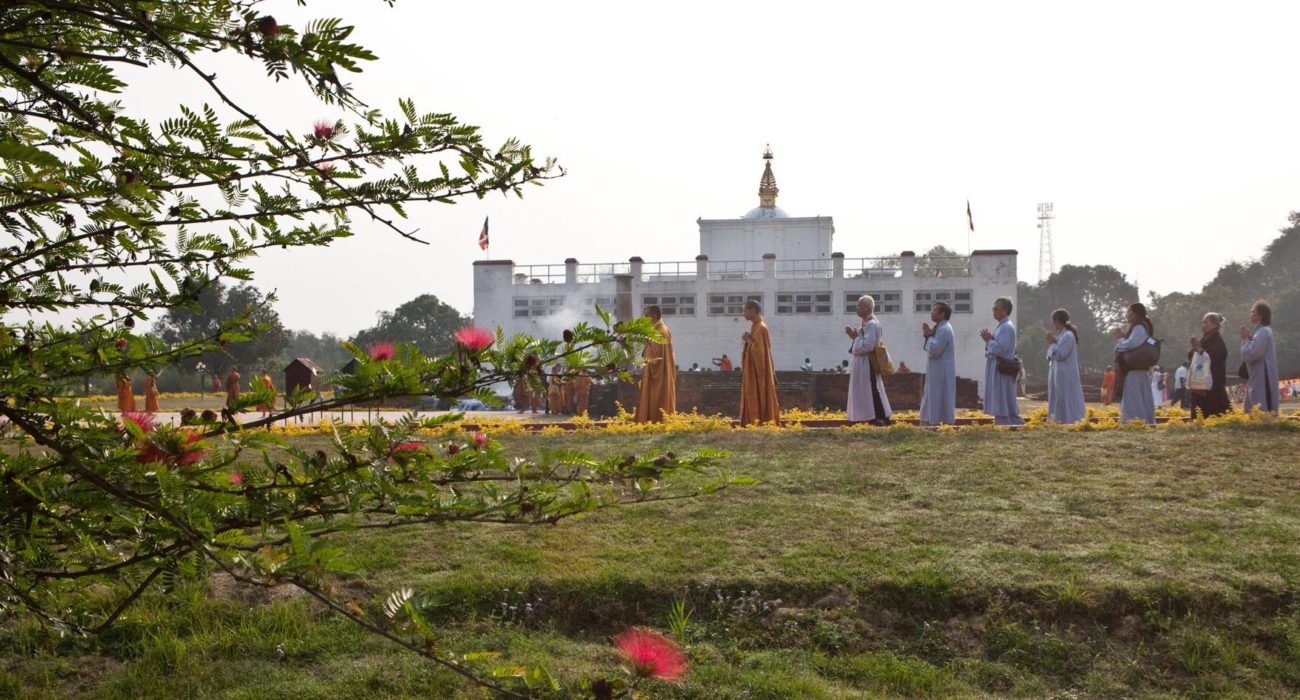
Lumbini, the Birthplace of Buddha
Discover the birthplace of Buddha — the Maya Devi temple, the Ashoka pillar, the international monasteries and everything to see at this sacred site in southern Nepal.
 Destinations
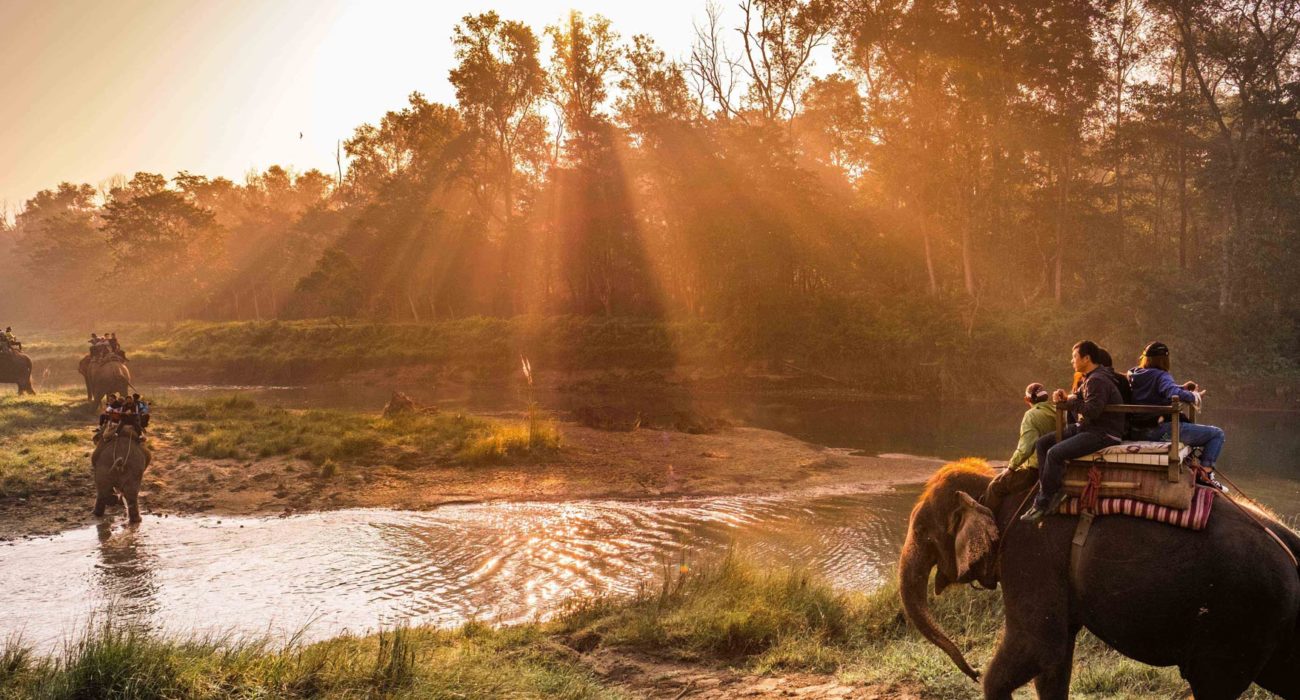
Chitwan National Park
Safaris, tigers and rhinos in Nepal's first national park — a UNESCO World Heritage site in the jungle of the Terai.
 Destinations
Pokhara, Nepal's Adventure Capital
Pokhara is Nepal's number-one destination for adventure & leisure: Fewa Lake, Lakeside, Sarangkot, paragliding, zipline and the gateway to Annapurna trekking — a full guide with costs in euros and a 3-day plan.