

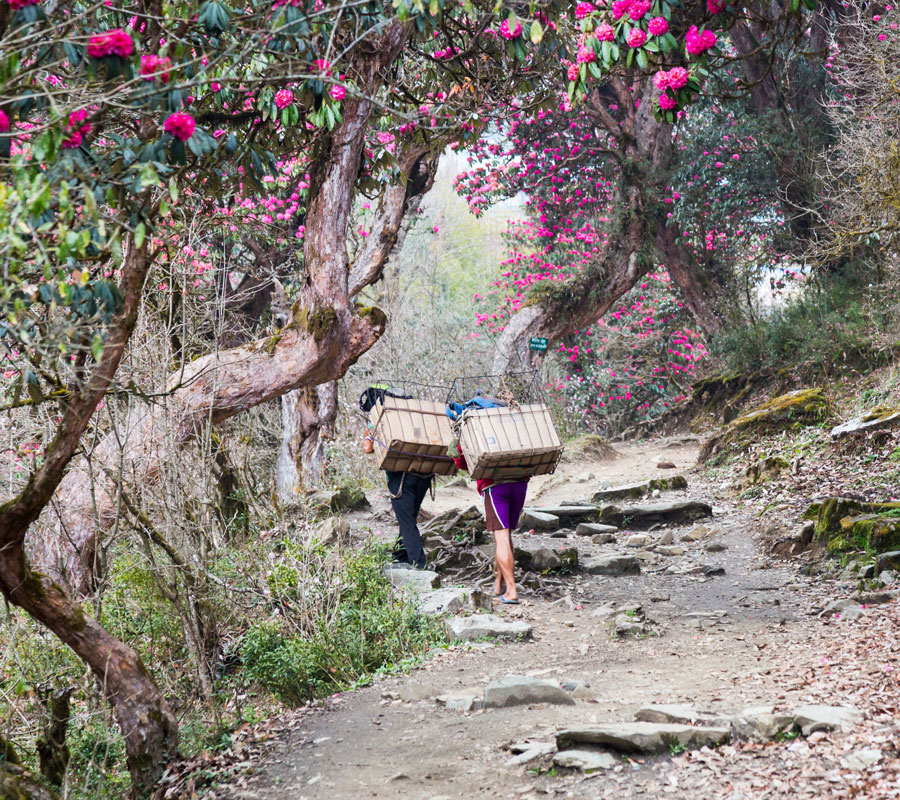
Langtang Closed: Why the Manaslu Circuit Is the Closest Alternative (2026)
If you had booked — or were simply planning — a trek in Langtang this autumn, you already know why you ended up here. The valley remains closed after the disaster of August 2026, the road to Syabrubesi no longer exists as it once did, and the trip you had in mind now needs a different route. This isn't a moment for panic, or for cancelling Nepal altogether — just for finding a route that feels, as closely as possible, like the one you were after.
As of 5 September 2026, Langtang and Gosaikunda remain closed, while the Manaslu Circuit is operating normally, in a completely different watershed from the one that was hit. The full, current picture of what is open and closed across Nepal is kept up to date in our living article on the 2026 floods, which is updated continuously as the situation develops — that's where you'll find the figures and the details, not here.
Manaslu isn't the same as Langtang, and I won't try to convince you otherwise. But of everything currently open, it is the closest match in feel: isolation, villages with a strong Tibetan culture, and far fewer people on the trail than you'd find on Annapurna or Everest. In this article I'll tell you what carries over from Langtang, what doesn't, how much more demanding it is in difficulty and altitude, what you need in permits and guiding — and why the most useful thing you can do is keep the same guide and the same local agency you had booked for Langtang.
Where things stand: Langtang closed, Manaslu open
The August disaster struck the Bhote Koshi and Trishuli valleys — exactly the watershed the access route to Langtang runs through. The Manaslu Circuit sits in a different drainage basin altogether, the Budhi Gandaki, in the Gorkha region; the trail itself was untouched by what happened in Rasuwa.
That doesn't mean it needs no checking. Always ask your agency about the state of the access road before you book for good, and check the living article for what currently applies elsewhere, including the Kathmandu–Pokhara road.
For the full and current picture of what's open and closed across Nepal, use the living article mentioned above. If you want the complete itinerary, permits and seasonal breakdown for the trek itself, the detailed guide to the Manaslu Circuit covers every detail.
What carries over from Langtang: the sense of isolation
If what drew you to Langtang was the feeling of being far from the crowd, Manaslu carries over exactly that. It isn't the Annapurna Circuit, with jeeps passing you for much of the route, nor Everest Base Camp with lines of trekkers in October. You'll cross paths with only a handful of groups a day.
The villages of the Nubri valley — Lho, Sama Gaon, Samdo — have a strong Tibetan identity, much like Langtang itself: monasteries, prayer flags, mani walls, women in traditional dress, elders spinning prayer wheels. The sense of walking through a living culture, rather than just a landscape, is common to both treks.
From what I've seen with trekkers trying Manaslu after Annapurna or Everest, what stays with them most isn't a particular view but the quiet: fewer voices in the tea houses at night, more time spent with the villagers themselves. It's the same quality of quiet that led many people to choose Langtang over the busier trails in the first place.
What doesn't carry over: this isn't the same trek
The first and most basic difference is duration. Langtang classically wraps up in 7 to 10 days total. The Manaslu Circuit needs 14 to 18 days, counting the drives to and from Kathmandu. If you'd arranged a week or so off work, Manaslu simply doesn't fit into the same window.
The second difference is the region's status. Langtang is a national park with a mandatory guide since 2023, but Manaslu is a restricted area — a stricter category, with three separate permits and a minimum of two trekkers in the group. There is no solo or independent trekking here.
The third difference is altitude and physical demand, which we cover below. If part of why you chose Langtang was that it's more moderate in difficulty, it's worth knowing that going in.
Difficulty and altitude: the Larke La pass
The Manaslu Circuit peaks at the Larke La pass, at 5,106 metres — an 8 to 10 hour walking day, starting before dawn and ending with a long, knee-punishing descent. It isn't a technical mountain, you don't need ropes, but it is physically demanding in its own right.
Langtang, by contrast, keeps you sleeping no higher than 3,870 metres, with the day hikes to Kyanjin Ri or Tserko Ri reaching 4,773 to 4,984 metres before you head back down. Manaslu keeps you at altitude for more consecutive days, with less room to simply turn back down if something feels off.
That means you need better overall fitness, respect for the acclimatization days built into the schedule, and insurance that explicitly covers helicopter evacuation above 5,000 metres. If you've already done a major trek in Nepal, Manaslu is a sensible next step; if Langtang was going to be your first big trek, it's worth discussing openly with your agency before committing.
Permits and guiding: what Manaslu requires
Because it's a restricted area, Manaslu requires three separate permits: the RAP for the region itself, the MCAP for the Manaslu conservation zone, and the ACAP, since the final stretch of the route enters the Annapurna region. All three are issued exclusively through a licensed agency — you cannot obtain them on your own.
A licensed guide is mandatory, not optional, and the RAP is issued for a minimum of two trekkers. If you're travelling alone, your agency will place you in a group or arrange the paperwork accordingly. There's no scenario for solo trekking here, unlike what you might have been picturing for Langtang.
For the full picture of Nepal's trekking permits, what each one covers qualitatively and where to get them, see the detailed guide to trekking permits. It's worth reading before you talk to your agency, so you know what to ask.
Getting there: access shapes the plan
Access to Manaslu starts with a jeep drive from Kathmandu to Machha Khola or Soti Khola, several hours on a mountain road that's independent of the Rasuwa area. It's a longer transfer than the one you'd have made to Syabrubesi for Langtang, and that adds an extra day at the start and end of the itinerary.
The trek's exit point, after the pass, comes out near Besisahar in the Annapurna region — so the route doesn't loop back to where it started, unlike Langtang. That affects how your return to Kathmandu or on to Pokhara is planned, and it's something your agency will arrange in advance.
The point of all this: keep the same guide and the same agency
If you had booked Langtang with a specific local guide or agency, that person suddenly lost the work they were counting on this autumn. The most useful thing you can do isn't to hunt for whoever has the cheapest Manaslu programme, but to ask your own guide or agency first whether they run, or partner on, Manaslu trips.
Most serious agencies in Kathmandu and Pokhara operate across multiple regions, and a guide licensed for restricted areas can perfectly well take on Manaslu. Staying with them isn't just a courteous gesture — it's the most direct way to make sure the money from your trip doesn't end up with someone unconnected to the community that lost its work.
If your agency doesn't cover Manaslu, ask them to refer you to a partner. You don't need to start your search for a trustworthy operator from scratch; the person you already trust knows the market better than you do.
When to go
The best windows for the Manaslu Circuit are the same general periods that would have applied to Langtang: autumn, from late September through November, with clear skies and stable weather, and spring, from March to May, with rhododendrons blooming lower down.
Avoid the monsoon, from June to August, for the rain, mud and landslides, and deep winter, when the Larke La pass can be snowed shut. If you had Langtang pencilled in for October or November, the same window works just as well — arguably better — for Manaslu.
What shapes the cost
You won't find figures here, because a made-up range wouldn't help you. Manaslu's cost is shaped by the three mandatory permits, the longer duration compared with Langtang, the size of your group — since the guide and the jeeps are shared — and the level of comfort you want in the lodges, which get more basic as you climb toward Samdo and Dharamsala.
Government fees are subject to change by season, as are flight and transport costs at the moment, with the Kathmandu–Pokhara road carrying the issues described in the living floods article. Price is shaped per trip, depending on the month, the size of the group and the length you choose. Ask us for a quote and we'll tell you what applies now, with the same guide if that was already your plan.
Who Manaslu suits right now — and when it's worth waiting
Manaslu suits anyone with the time for a two- to three-week trip, a reasonable base level of fitness, and who wants exactly what they were after in Langtang: isolation, authenticity, fewer people. It also suits anyone who already has some experience trekking at altitude, even basic.
It doesn't suit someone with only a week to spare, someone who wanted something gentler in altitude, or someone who would rather wait. If none of the currently open options fit right now, you're not obliged to choose immediately — your trip can simply be postponed. Our guide to Langtang is still there, with a note on the current situation, ready for whenever the valley reopens.
What I won't tell you is that the disaster in Rasuwa created an 'opportunity' for Manaslu. It created nothing of the sort. There is simply a route open that resembles fairly closely the one you lost, run by people who can put it together properly — and the most honest thing I can tell you is to choose it for what it is, not for anything more.
Keep reading
Related articles
 Activities
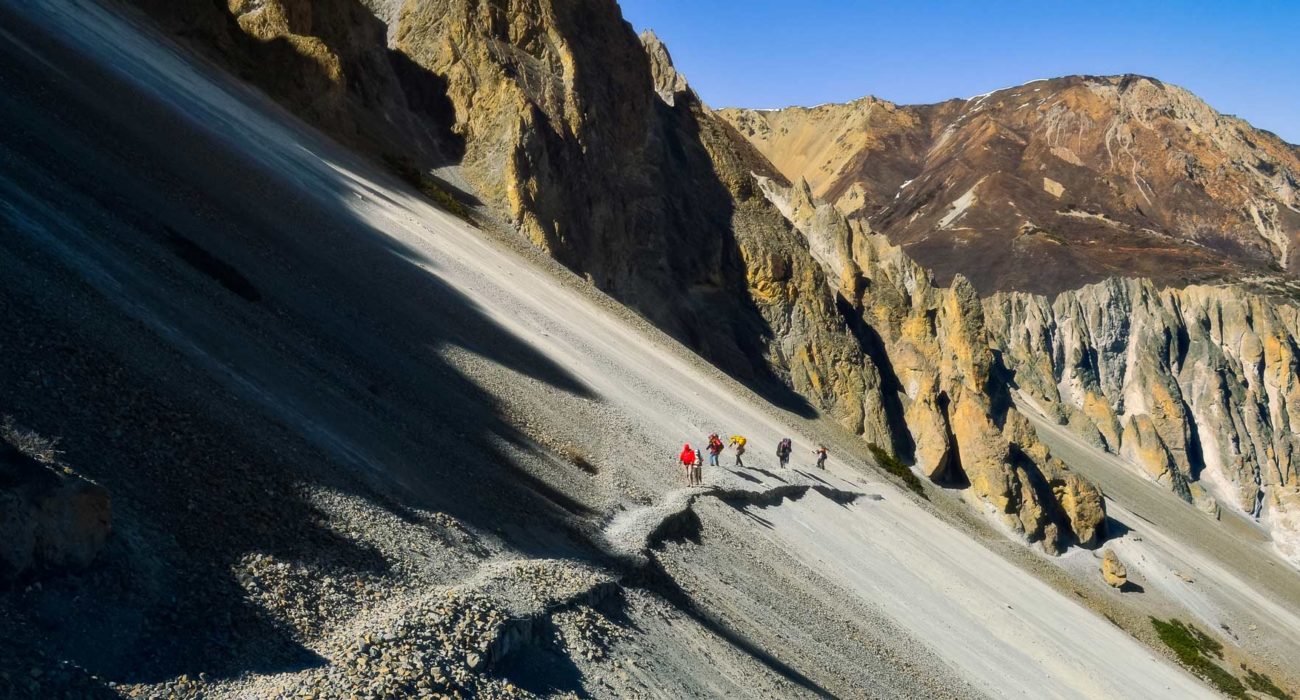
Trekking in Nepal: The Complete Hiking Guide
The definitive guide to trekking in Nepal: teahouse trekking, the main regions, a comparison of the top treks, permits, seasons and how to choose your route.
 Trekking
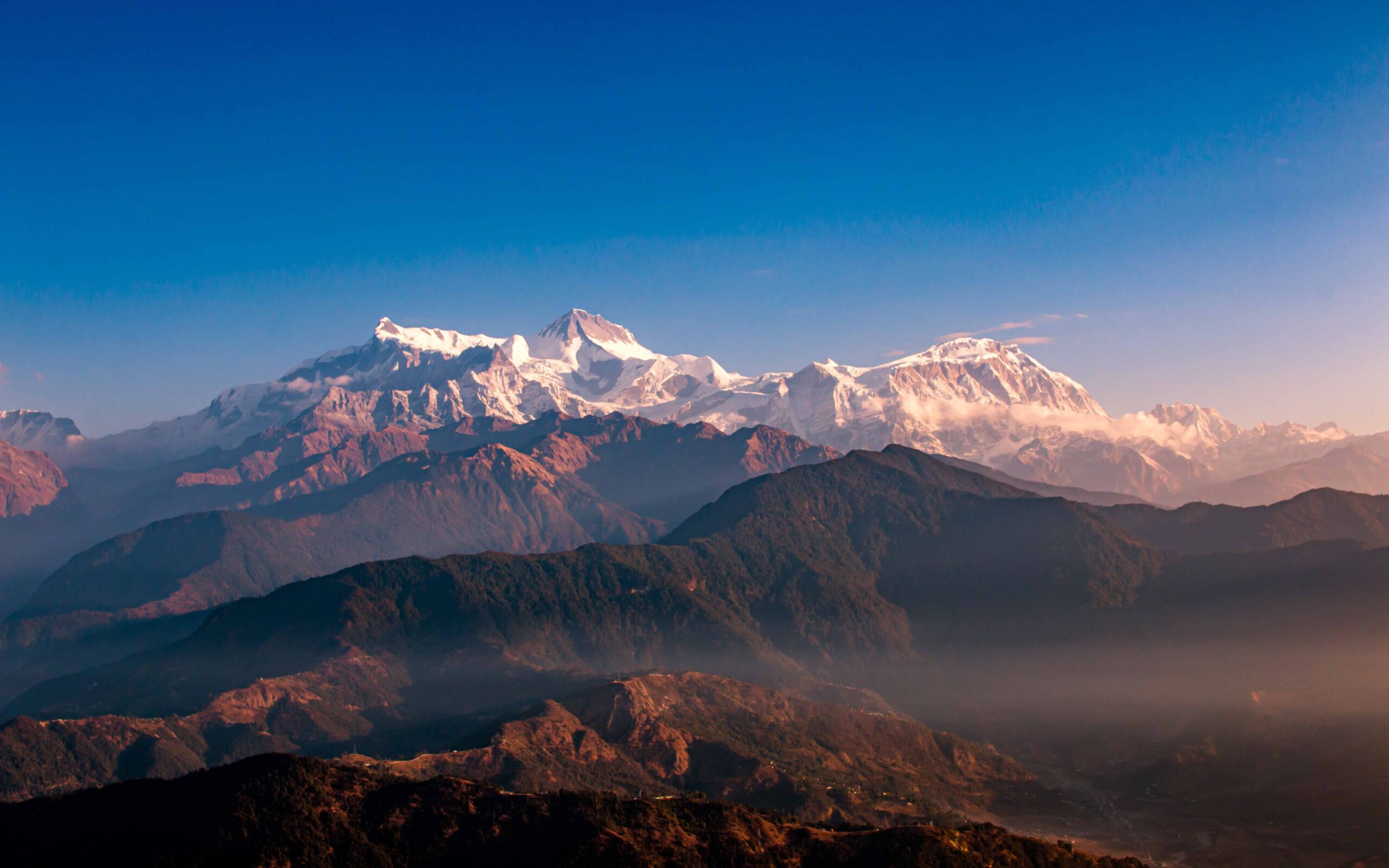
Annapurna: The Complete Trekking Guide to Nepal's Most Popular Region
The Annapurna massif, the top routes (ABC, Circuit, Poon Hill, Mardi Himal, Tilicho), the ACAP permit, seasons, sample itineraries and how to choose.
 Trekking
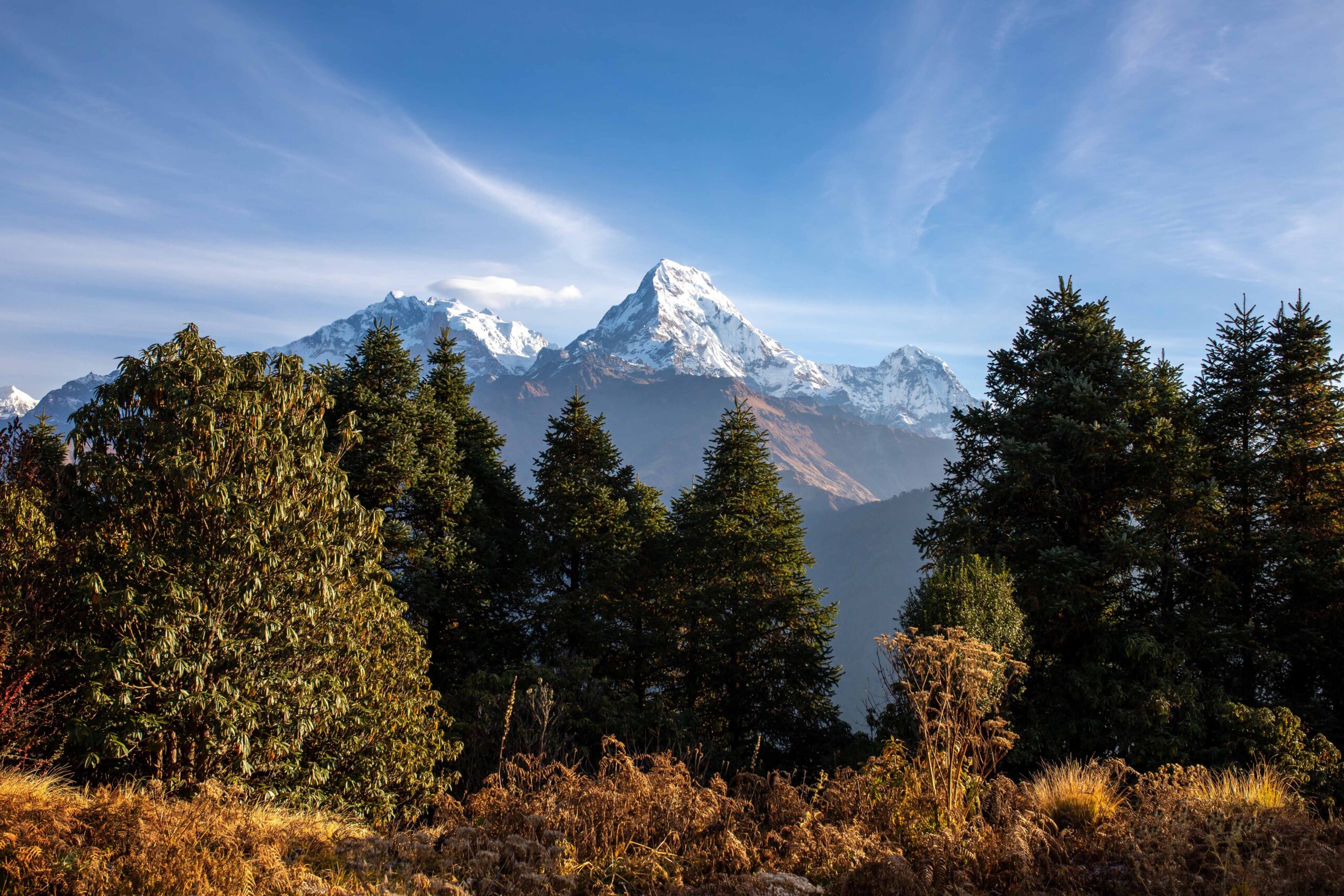
Annapurna Base Camp Trek (ABC): The Complete Guide
The 'amphitheatre of the gods' at 4,130m: a day-by-day itinerary, difficulty, ACAP permits, seasons and how to combine it with Poon Hill.