

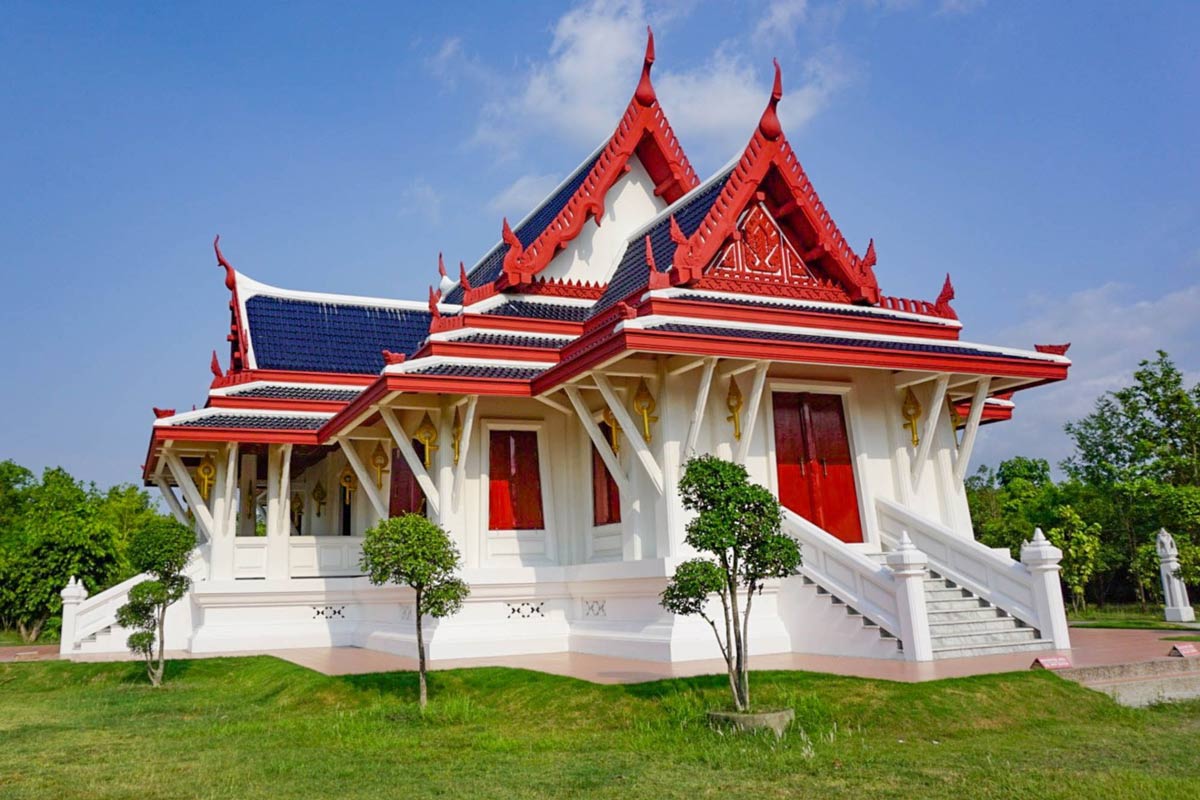
Monasteries in Nepal are not sights in the usual sense. They are places where people live, study, pray and work, and for a short while you step into their rhythm. That difference changes how you walk, how you speak and how you photograph. Understand it early and the whole trip becomes more meaningful.
Our general guide to Nepali culture and customs explains the wider context. Here we get more specific: a spiritual route from the stupas of the Kathmandu Valley to the quiet hill of Namo Buddha, Lumbini, the Buddha's birthplace, and the monasteries of the mountains. We also address what many travellers confuse: a visit is not a retreat.
You will not find prices, opening hours or entry fees here. They change, and an old figure in a guide can mislead you. Wherever something needs confirming before you travel, I say so.
Monastery, stupa, gompa: what you are actually looking at
A stupa is the hemispherical dome symbolising the enlightened mind. It is not a temple with an interior for worship; you walk around it. A gompa, or monastery, is the complex where monks or nuns live, with a prayer hall, a school, cells and courtyards. The two often stand side by side, and a visitor tends to experience them as one place.
Several traditions coexist in Nepal. In the valley and the mountains you will mostly meet Tibetan Buddhism, with its many schools and lineages. In Lumbini you will see monasteries from across the Buddhist world. You do not need to learn the differences to be respectful, but it helps to know that each place has its own rules.
A simple way to remember it: the stupa is a point of attention and walking, the monastery is a home and a school. When you change place, change your manner. At the stupa you move calmly alongside the worshippers; at the monastery you enter like a guest in a house, with permission, without opening doors that have not been opened for you.
Kathmandu: Boudhanath and Swayambhunath
The easiest first contact is in the valley. Boudhanath is a living neighbourhood: monasteries around the dome, rooftop cafés and worshippers walking the kora morning and evening. Swayambhunath, on its hill, is older, noisier and full of monkeys, but the views and prayer wheels are worth it. More on both monuments is in our guide to Kathmandu.
My own judgement, from watching how these places work over the years, is that timing makes the difference. Midday with tour buses is a different place from first light or dusk. If you are flexible, go when locals do their own routine. You will see why the place exists.
Entry fees and opening hours at each monument are something to confirm before you go, because they change. Do not rely on an old guide.
Pharping: a living place of practice
Pharping lies south of the valley and is known among Buddhists as a place of meditation associated with Guru Rinpoche, Padmasambhava. On the hillside there are sacred caves, small monasteries and a village where teachers and students from many countries live. It lacks the fame of the big monuments, and that is part of its appeal.
Visitors need to be more careful here. The caves are used for real prayer, and standing with a camera in front of someone meditating is not neutral. Sit to one side, observe, and if you are unsure about something, ask quietly or simply wait.
A little lower down there are Hindu sacred sites too, and people move between them. It is a good example of the syncretism we describe in the wider culture guide.
Namo Buddha: a quiet hill and monastic life
Namo Buddha, east of the valley, is linked to the story of a prince who, according to tradition, offered himself to a starving tigress. The hill has a stupa and a large monastery with young monks, and the atmosphere is calmer than the central monuments. It suits anyone who wants a day of monastic daily life without the pressure to see everything.
It combines naturally with Nagarkot and the surrounding villages, on foot or by vehicle. If you see young monks playing or studying, remember they are children and teenagers in their own home, not exhibits. A respectful distance and a smile are enough.
Lumbini: monasteries from around the world
In the southern Terai, Lumbini has a different character. Beyond the sacred garden, the Monastic Zone hosts national monasteries built in the style of each country. The experience is more open and more museum-like than mountain monasteries, but respect still applies: some spaces are active prayer halls, while others are more relaxed about visitors. Route, timing and opening details are in our guide to Lumbini.
If you want deeper practice, meditation centres operate in Lumbini, but their programmes need advance registration and may change. Contact them directly and read the terms carefully before committing. In summer the heat of the plain is intense, so season matters to your comfort.
Mountain monasteries: when the route is part of the journey
In regions such as Khumbu, Tsum and the northern borderlands, monasteries are woven into village life and trekking routes. They sit above valleys with prayer flags, mani walls and views that reset your sense of scale. A visit here is usually part of a trek or a more remote journey.
In practical terms, weather, acclimatisation and area permits shape the plan. Permit and zone rules change, and they should be confirmed with official sources or an experienced operator before you travel. Do not treat a mountain monastery as a stop on the way past; give it time and leave margin for delays.
Some monasteries may be closed for ceremonies or for periods of the year. A local guide knows when a visit is worthwhile and when it is not, and that is among the most useful things you can have.
Etiquette: few rules, a lot of attention
Dress modestly, with shoulders and knees covered. Shoes off unless told otherwise. Always walk clockwise around stupas, mani walls and prayer wheels, keeping the shrine on your right. Do not point your feet at statues or people, do not step over offerings, and do not touch religious objects without permission.
Silence is not a formality. In a prayer hall someone may be meditating or in ceremony. Lower your voice, silence your phone and avoid conversations in the middle of the space. If you want to make a donation, there are usually boxes or the place itself shows you how; the amount is your own decision and not something we discuss here.
If you are unsure about something, watch what the locals do and follow them. A question asked in a low voice disturbs no one, while a mistake made in a hurry can hurt. And do not expect everything to be explained to you; a monk is not a tour guide, unless he chooses to speak with you.
For a fuller picture of the rules, see the guide to customs and etiquette in Nepal.
Photography: ask first
In many prayer halls interior photography is banned or restricted, especially with flash. Signs are your first guide; if there are none, ask. Even outdoors, photographing faces without permission is not good practice, and with monks or pilgrims at prayer it is rude.
A good test is whether your photo would disturb someone who is praying. If so, stop. Many of the best images come from a distance, with a longer lens, or simply from staying quiet in one spot and letting the scene happen. And sometimes the best choice is to leave the phone in your pocket.
Drones and tripods may have separate rules or bans, and rules change. Confirm them before you travel.
A visit versus a retreat: two different things
A visit is a few hours or a day at the site. A retreat is a structured programme with rules, a timetable, often silence and a commitment of days. The two are not interchangeable, and a retreat is not a more intense visit. You are joining a practice, not a sight.
Before choosing a retreat you should know the teacher or centre, the language, the tradition and what exactly is asked of you. Registration, terms and conditions are confirmed directly with the centre. If you have a health issue, physical or mental, speak to your doctor before committing to a programme with silence and long sitting practice; it is not something a travel guide can decide.
To see the difference at a glance:
| Criterion | Visit | Retreat |
|---|---|---|
| Duration | A few hours or a day | A structured programme of days |
| Commitment | None, beyond respect | Registration, rules, timetable |
| Photography and phone | With care and permission | Usually restricted or not allowed |
| Best for | A first encounter, curiosity | People with existing practice or a clear aim |
Building it into a route
For a first trip, the most logical order is Kathmandu with Boudhanath and Swayambhunath, then a day at Pharping or Namo Buddha, and if time allows, Lumbini. Mountain monasteries come when your time and fitness support them. Do not fill every day with three monasteries: after the second, everything looks the same and you lose exactly what you came for.
Keep some margin for the unexpected too. A ceremony that closes an entrance or rain that changes the route does not spoil the trip; often it becomes its most genuine part. If you stay a little longer in one place, you will see things that do not show in half an hour.
Cost depends mainly on how private the transport is, whether you have a guide who explains what you see, and whether flights or mountain routes are involved. State fees and permits exist but change, and the price is shaped per trip. If you want a figure for your own route, ask us for a quote and we will work it out together.
One practical tip to finish: at Boudhanath or Namo Buddha, start early in the morning. You catch the local rhythm before the place fills with visitors, and the rest of your day stays more open.
Keep reading
Related articles
 Articles
The biggest help you can give Nepal is to visit
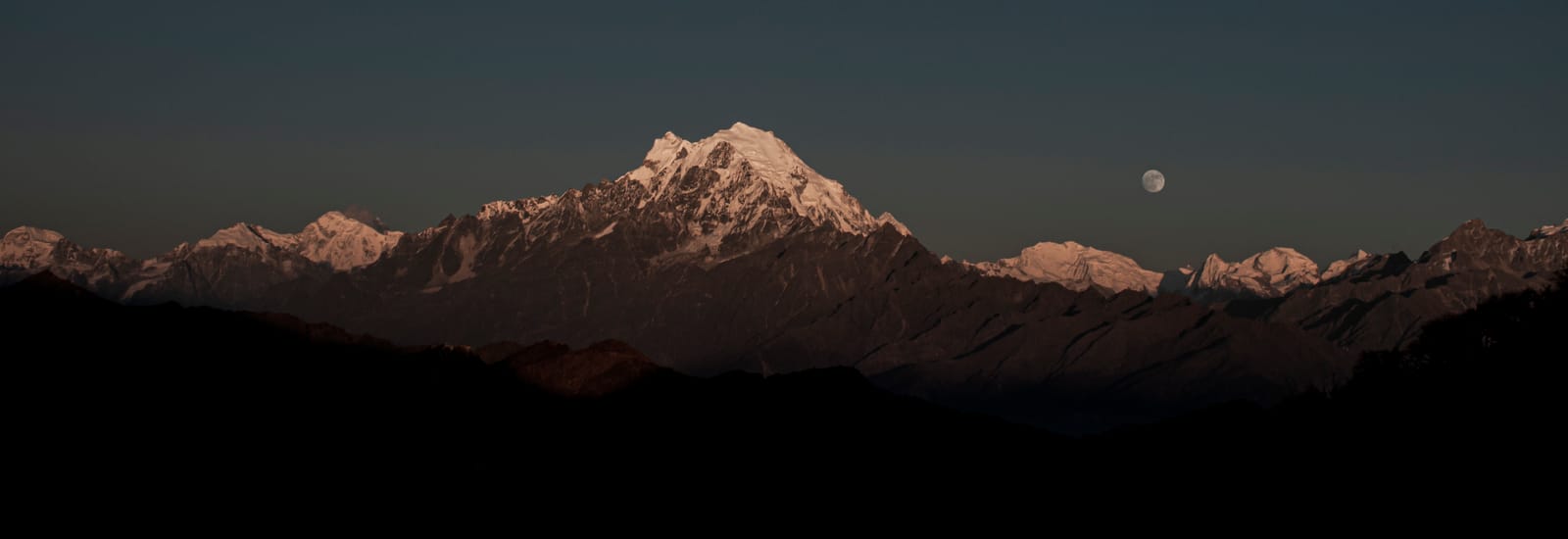
On 26 August 2026 a piece of mountain turned into water and took villages, bridges and more than a thousand lives with it. I have lived here for fifteen years. Here is what happened, what is open, how you can help today, and why your trip in October is the biggest help of all.
 Articles
Shivaratri in Nepal: The Great Night of Shiva
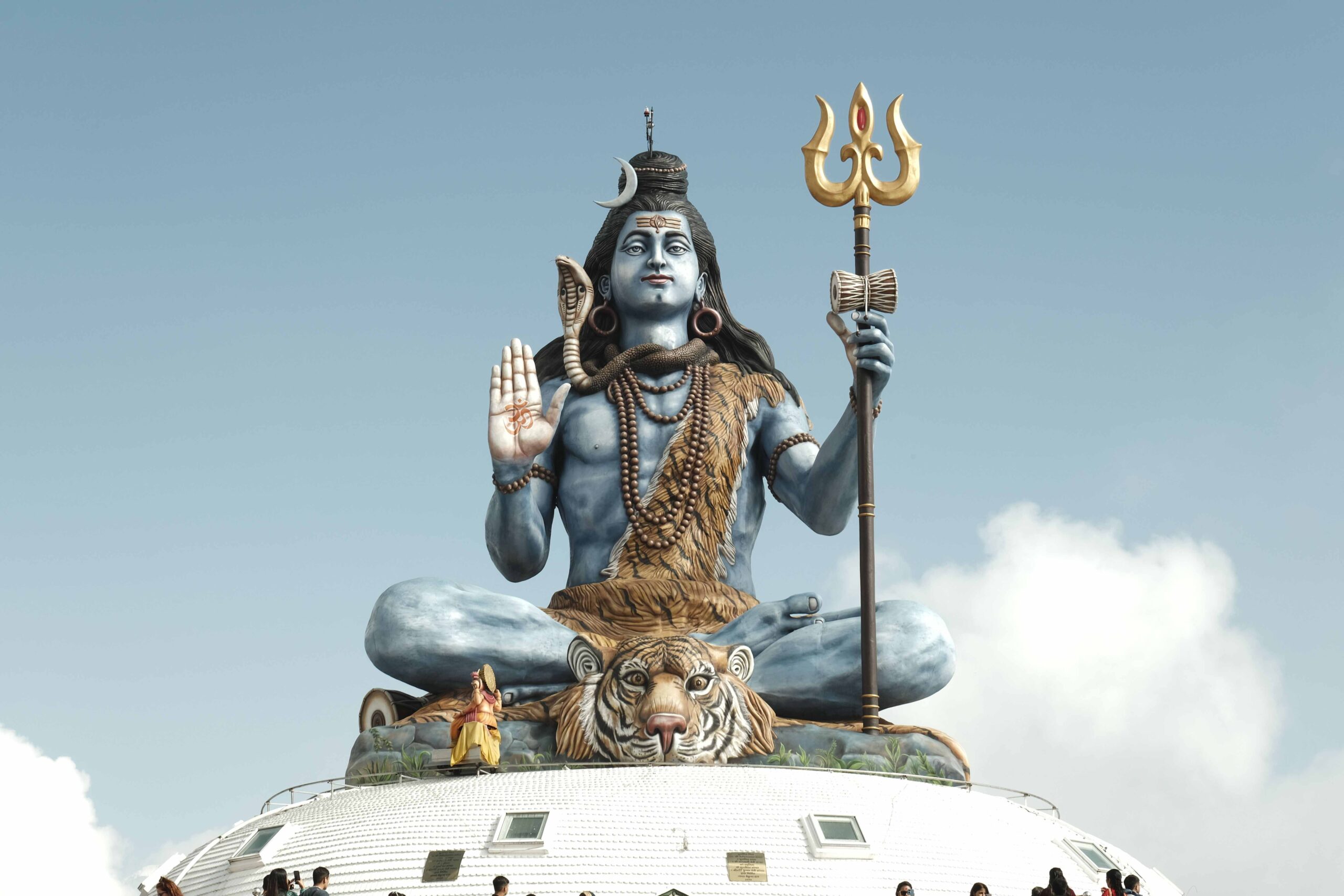
Maha Shivaratri at Pashupatinath temple: ash-covered sadhus, all-night fires, chanting and up to a million pilgrims. When it happens and how to experience it respectfully as a traveller.
 Articles
Nepal's Mustard Season: The Golden Fields
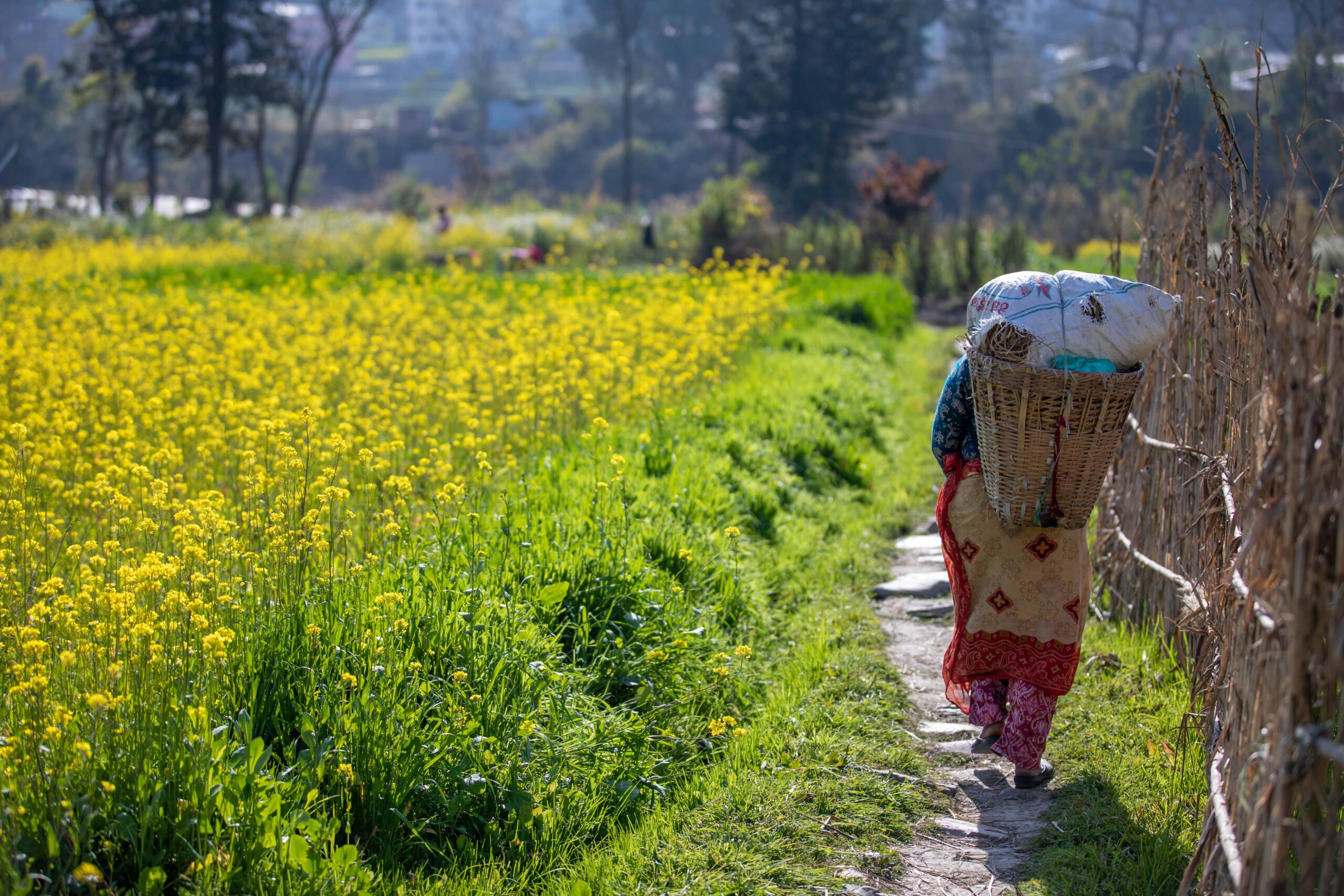
Every winter Nepal's countryside turns yellow with blooming mustard fields — when they bloom, where to see them, and why it's a dream for photography.