

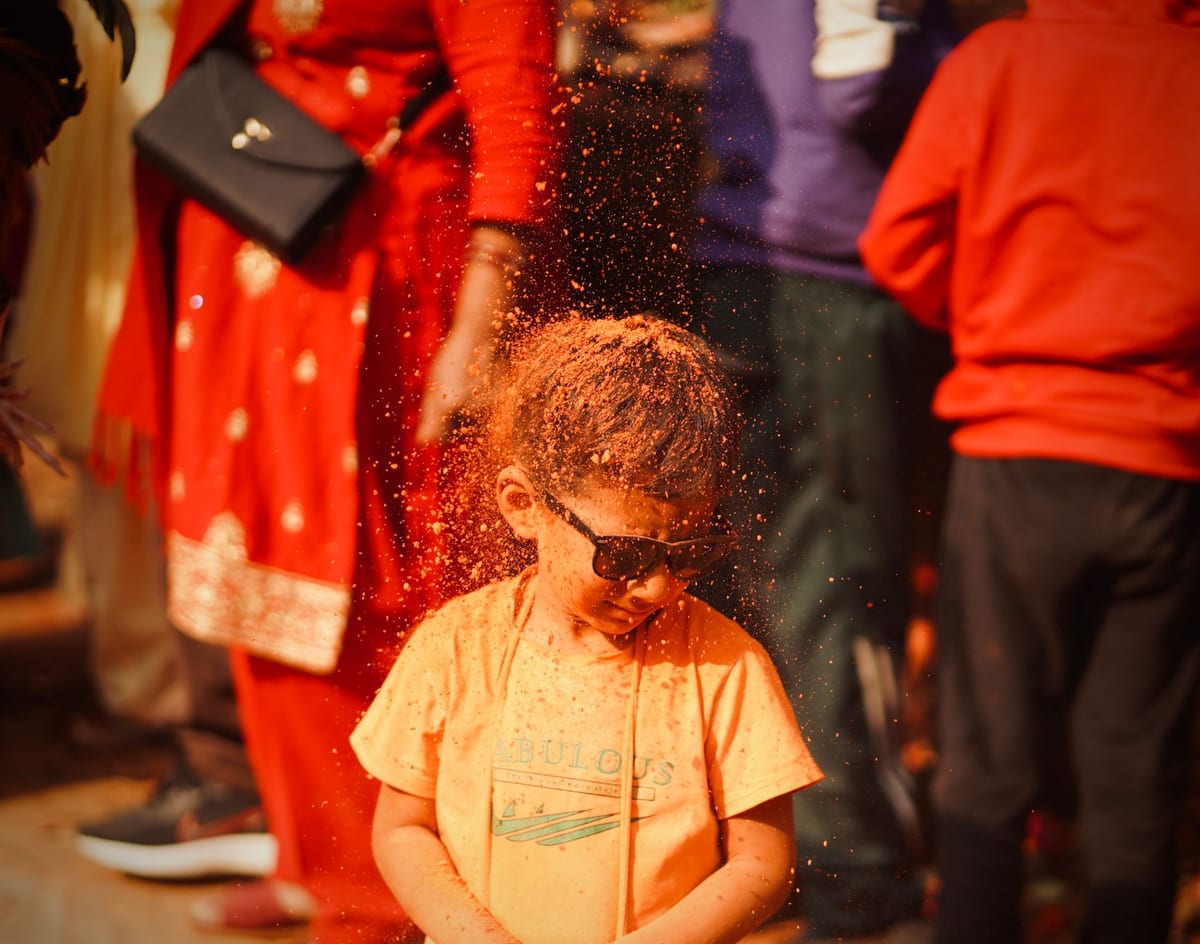
Holi is one of those festivals Nepal gives you with no filter. You won't watch it from a distance, and you won't stay a spectator. If you're on a main street that day, you'll end up colourful, soaked and probably laughing, whether you planned it or not. That's why it pays to arrive prepared.
In this guide you'll find what matters in practice: what is being celebrated and when, why dates aren't the same across the country, where to go in Kathmandu and Pokhara, how to protect your phone and eyes, and how to move around and take photos without becoming a nuisance. Anything that changes year to year, such as dates and schedules, is something you should confirm before booking.
I've talked with many travellers who landed in Nepal without knowing Holi fell during their trip. In my experience, those who knew in advance enjoyed it far more, because they had chosen where to be and what to wear.
What Holi is and what it means in Nepal
Holi, also known in Nepal as Fagu Purnima, is the festival of colours that welcomes spring. It falls on the full moon at the end of winter, usually between February and March. At its root it is a Hindu festival with legends about good defeating evil. On the street and in the square, it is a big social celebration where people of all ages throw coloured powder and water at one another.
For the wider picture of customs and etiquette, we've gathered it all in our guide to culture and customs in Nepal. You'll see there how Holi sits beside the country's other big festivals. Here we stay practical.
One thing I want you to understand from the start: for many Nepalis it is a lighthearted festival but also a religious moment. Don't treat it as a photo party. You are a guest at a family and community celebration.
Why the date differs by region
This is where many people get confused. Holi follows the lunar calendar, so it moves every year. On top of that, in Nepal it isn't celebrated on the same day everywhere. Traditionally the mountain and hill areas, which include Kathmandu and Pokhara, celebrate on one day, while the southern plains (the Terai) usually celebrate the next. In Kathmandu the festival is also announced earlier, with a symbolic pole raised at Basantapur.
The table gives you the general picture. Treat it as orientation, not an official calendar.
Before you book tickets or a hotel, confirm the exact dates for the year from an official Nepali calendar or a local source. A one-day mistake is enough to leave you in the wrong city just as everything closes.
| Area | How it is usually celebrated | What to watch for |
|---|---|---|
| Kathmandu Valley | Starts with the pole at Basantapur, peaks in squares and main streets | Big crowds, closed shops, intensity in the old city |
| Pokhara | More relaxed, around Lakeside and the neighbourhoods | Many travellers, water and colour on the promenade |
| Terai (south) | Usually a day after the hills, with very strong participation | Fewer tourist facilities, heat, more intensity |
| Villages and trekking trails | Smaller scale, family-based | Don't expect shops open, ask permission before joining |
Holi in Kathmandu: where and how
In Kathmandu, Holi centres on the area around Basantapur and the old squares, with Thamel also filling with colour. See our guide to Kathmandu, Nepal's capital to understand how the area is laid out and why the narrow lanes make it more intense.
In the narrow alleys of the old town the celebration gets dense, with children on rooftops throwing water balloons. That's joy for the locals, but if you don't want to get soaked, avoid the alleys and take a spot in a more open area.
If you'd rather observe, a café or rooftop overlooking the square beats pushing into the crowd. Remember that on the day many shops and services close or run limited hours.
Holi in Pokhara: easier and more relaxed
In Pokhara, Holi has a lighter character. The Lakeside promenade and the neighbourhoods around the lake fill with colour, with locals and travellers in the same crowd. For the town in general, see our guide to Pokhara.
For many travellers it is the easiest choice for a first time, because the town is smaller and easier to move around. Stay close to your own neighbourhood so you can retreat quickly when you tire.
If you had activities planned, such as flights or excursions, ask the operator in advance whether they run normally that day. Local programmes often change during the festival.
Protecting your phone, camera and eyes
Water and powder are the biggest enemies of your gear. Use a waterproof pouch or sealed bag for the phone, cover the charging port and don't take it out in the middle of a crowd. A camera needs a cover and a filter over the lens, and it helps to carry a cloth for cleaning. If you don't truly need your expensive gear, leave it in the room.
For your eyes, wear sunglasses or protective glasses. If you wear contact lenses, consider switching to glasses that day. Coloured powder in the eyes is irritating and in some cases dangerous. If it gets in, rinse with plenty of clean water, and if the irritation doesn't pass, seek medical help.
I can't know which pigments are safe. The quality of the powder varies. If you have sensitive skin, asthma or allergies, ask your doctor first. It also helps to prepare your skin and hair with oil or cream so the colour comes off more easily.
What to wear and what to carry
Wear clothes you don't mind ruining, such as a white T-shirt that becomes a souvenir, long trousers and shoes that dry fast. Remember that in temples and villages modest dress is still the rule, so don't show too much just because you'll get wet. Wet clothes become see-through, which can be awkward or bother others.
Carry only the essentials: ID or a photocopy of your passport, a little cash in a waterproof pouch and a protected phone. A spare clean set of clothes at the hotel will save you when you return.
And don't forget to drink water, because a day in the sun with lots of movement is more tiring than it looks.
Consent: the most important part
Holi has a social code, and it is not a free pass. You don't throw colour at someone who hasn't shown they want it. A smile and a "Happy Holi" before you approach make all the difference. If someone steps back or says no, you stop immediately.
This applies doubly to women, elders, children and people in religious dress. Unfortunately in crowded places unwanted contact can happen. If you're a woman travelling alone, prefer to be with a group or in an organised space and don't hesitate to walk away. Never accept drinks or food from strangers in the crowd.
One more thing: the festival is often tied to alcohol or other substances. If you don't want any, decline politely. If someone insists, move away towards a shop or your accommodation.
Getting around on festival day
The most common mistake is planning a transfer right on Holi day. Taxis, buses and private vehicles may run less or avoid central roads, and drivers don't want their vehicle drenched. Domestic flights and schedules may change. Confirm everything with the provider and, if needed, move the transfer to the day before or after.
If you have a flight to or from Nepal around the festival, leave a margin. To fit the festival into your overall plan, see also our guide to the best time to travel to Nepal.
If you want help coordinating transport, accommodation and timing around Holi, the price is shaped per trip. Ask us for a quote and we'll look at it together.
Photography with respect
Holi is highly photogenic, and that is exactly why it needs care. Always ask permission before photographing faces up close, especially elders, women and children. A nod and a smile are usually enough. If someone declines, lower the camera and move on without discussion.
Avoid photographing people at moments when they feel exposed, such as wet clothing or intoxication. Don't post strangers' photos to social media with a mocking caption. If you want calmer shots, go early in the morning, before the festival peaks.
And a personal observation: the best Holi photographs I've seen are not the ones with the traveller at the centre. They're the ones taken after someone sat down, talked and laughed with the locals. The photo comes after the introduction.
How to organise your trip around Holi
If you want to experience Holi, book accommodation early, because demand rises and choice shrinks. The final cost depends on the area, the length and the level of service. For a real figure, ask us for a quote and we'll tell you what applies to your own trip.
Have a backup plan for the weather and for calendar changes. The festival falls in a season when the weather is generally good, but dates can shift. Don't book non-refundable services before you've confirmed the day.
Finally, if the crowd isn't for you, you can enjoy it from a quiet corner, with a rooftop or café, and step out only briefly. You don't have to go everywhere to take part. It's enough to come with respect and a readiness for joy.
Keep reading
Related articles
 Articles
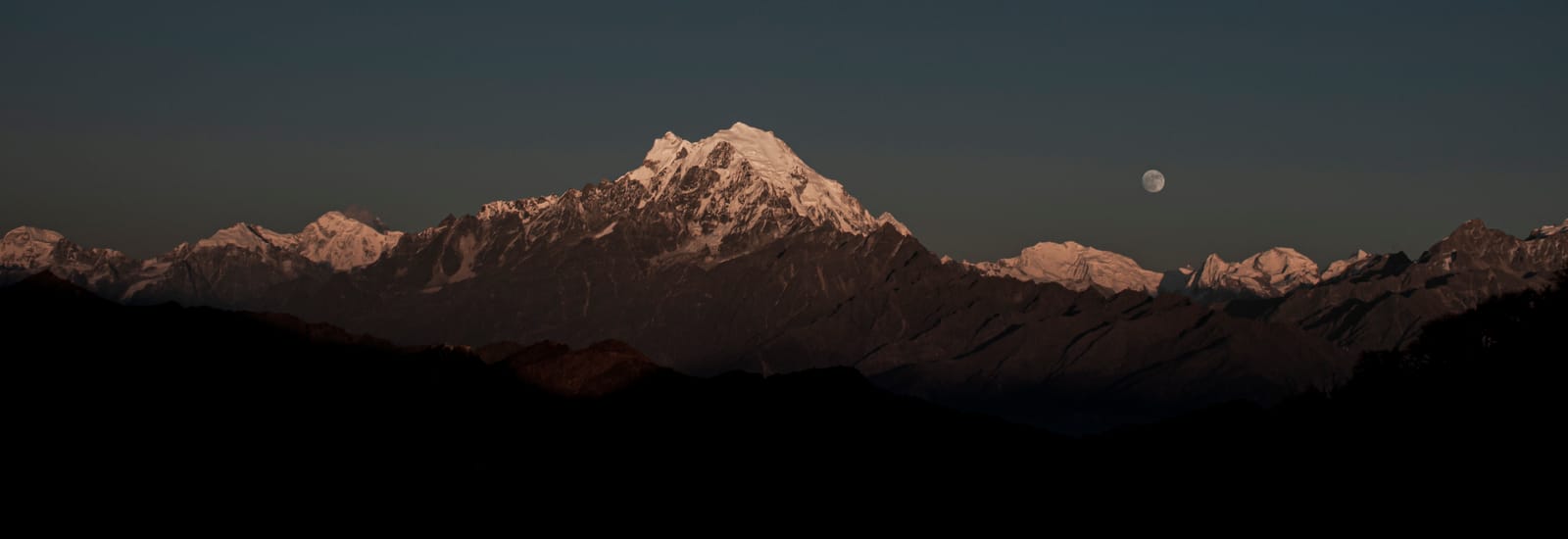
The biggest help you can give Nepal is to visit
On 26 August 2026 a piece of mountain turned into water and took villages, bridges and more than a thousand lives with it. I have lived here for fifteen years. Here is what happened, what is open, how you can help today, and why your trip in October is the biggest help of all.
 Articles
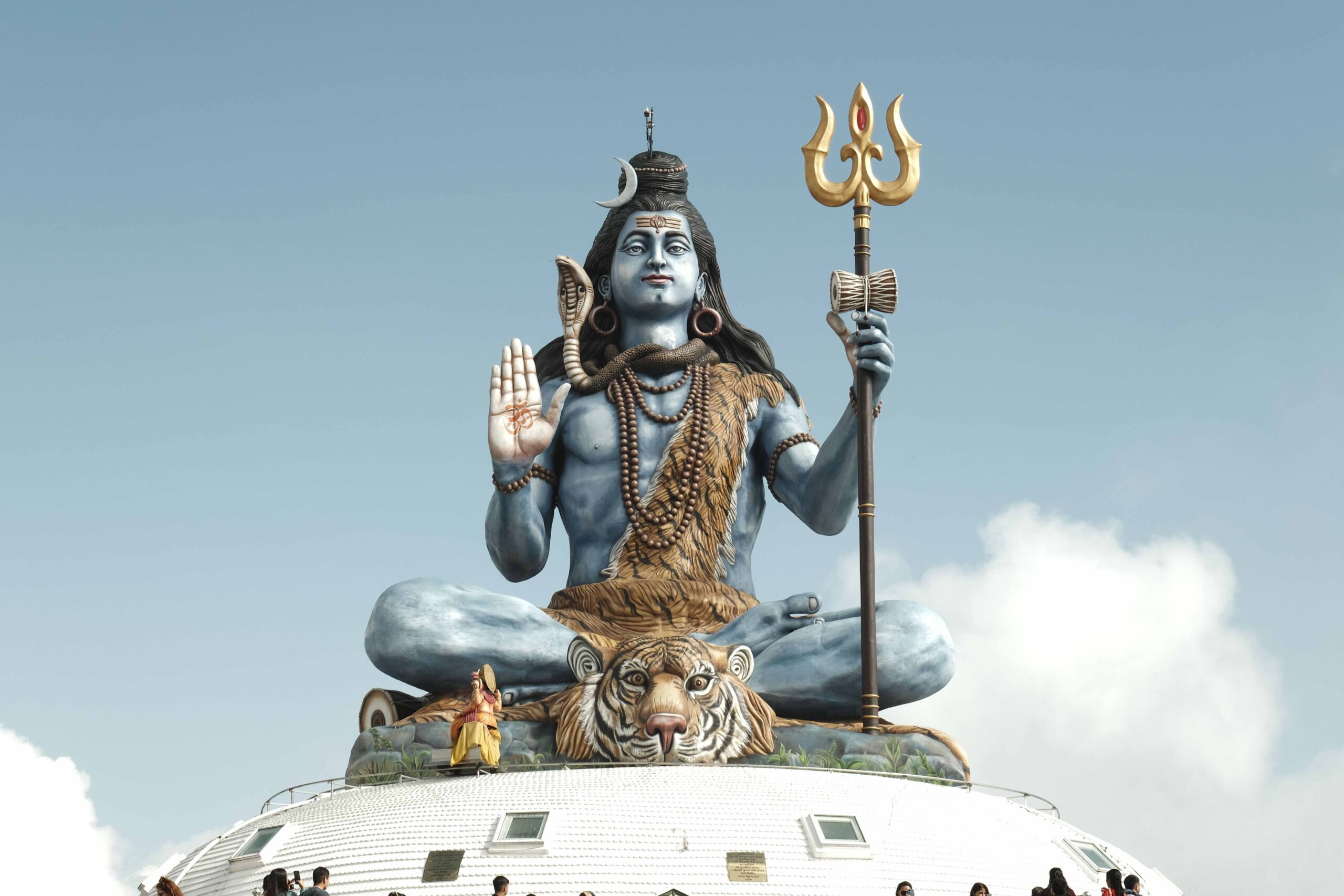
Shivaratri in Nepal: The Great Night of Shiva
Maha Shivaratri at Pashupatinath temple: ash-covered sadhus, all-night fires, chanting and up to a million pilgrims. When it happens and how to experience it respectfully as a traveller.
 Articles
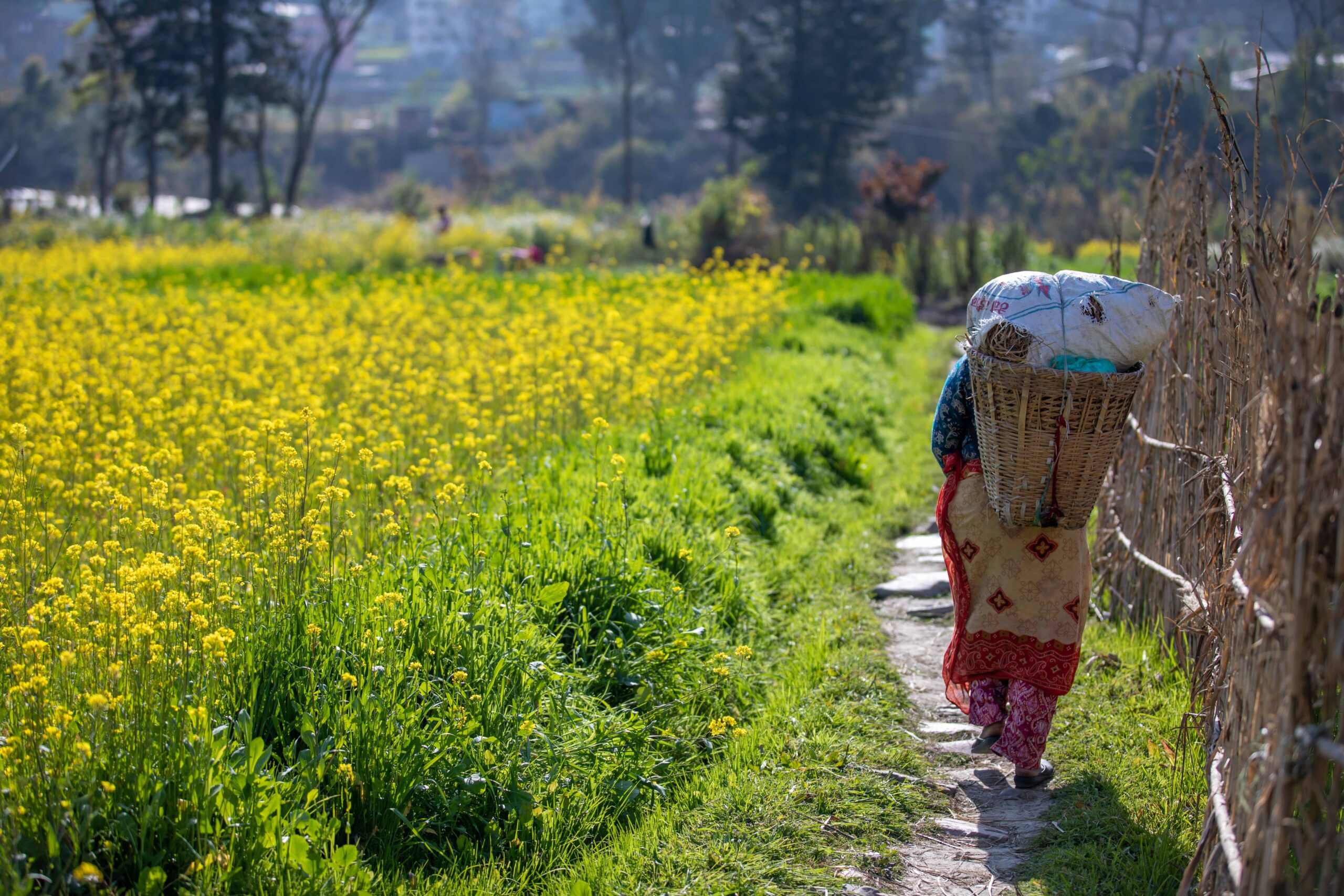
Nepal's Mustard Season: The Golden Fields
Every winter Nepal's countryside turns yellow with blooming mustard fields — when they bloom, where to see them, and why it's a dream for photography.