
"Is trekking in Nepal safe?" It is the question I get asked more than any other, especially since August 2026. The honest answer has two halves, and most of what circulates only gives you one of them.
On one hand, Nepal is dealing with an unprecedented disaster in the Rasuwa district, with closed areas, wrecked roads, and people still searching for missing relatives. On the other hand, trekking on Everest, Annapurna and Manaslu is running normally, and the risks the mountains have always carried — altitude, weather, unguided trails — have nothing to do with what happened in Rasuwa.
In this article I separate the two: what genuinely changed after the disaster, and what was always part of the risk on a Himalayan trip, disaster or not. As of 5 September 2026. For the full, living toll of dead, missing and damage to roads and bridges, I keep that updated in the article on the Nepal floods — that is where the numbers live, not here.
Two different conversations under one question
When someone writes to me asking "is it safe to come?", they usually mean one of two things, and rarely separate them on their own. The first is: "Has the Rasuwa disaster reached the route I'm planning?" The second is: "Is Himalayan trekking dangerous in general?" These are two completely different questions with different answers, and the trouble is that most people answer them as if they were one.
The Rasuwa disaster struck a specific valley on the northern border with Tibet: the area around the Trishuli and Bhote Koshi rivers, the Langtang Valley, Gosaikunda. Everest sits in an entirely different range, many tens of kilometres to the east. Annapurna is on a different river system, further west. The Manaslu route crosses the Budhi Gandaki valley, which the flood never touched. One valley being destroyed doesn't make the whole of Nepal a danger zone — the same logic would apply if a flood in the Pindos made someone abroad wonder whether it's safe to visit Crete.
The second risk, the "classic" risk of Himalayan trekking, existed long before 2026 and will keep existing after. It doesn't disappear once Langtang reopens, and it doesn't grow because someone saw footage from Rasuwa. It is constant, well understood, and — most importantly — manageable with the right preparation. That is what most of this article is about.
What's open and what's closed today
The picture changes week to week, so I won't try to give every detail here — those live and get updated in the article on Nepal's current status. What I can tell you with confidence, as a general picture to confirm before you fly, is the shape of it: the major tourist regions are operating, the disaster zone remains closed.
The point to take from this table isn't any single line — it's the shape of it. The country's most popular treks are not inside the zone that's closed. If you had booked something in Langtang, the fix isn't to cancel your Nepal trip; it's to move it to a different region, ideally keeping the same guide.
| Region | Status (confirm before travel) |
|---|---|
| Kathmandu, Pokhara, Chitwan National Park | Operating normally |
| Everest region (Base Camp, Gokyo) | Open, trails and flights normal |
| Annapurna region (Base Camp, Circuit, Poon Hill) | Open, fully operational |
| Manaslu Circuit | Open, different river system |
| Domestic flights | Normal |
| Kathmandu–Pokhara road (Prithvi Highway) | Closed at Krishnabhir, traffic diverted to alternative routes |
| Langtang Valley, Gosaikunda | Closed |
| Rasuwa district, banks of Trishuli and Bhote Koshi | Closed, disaster zone |
| Land crossings to Tibet | Closed to tourist crossings |
The risk that was always there: altitude
Strip Rasuwa out of the equation entirely, and the biggest risk on any Himalayan trek is the same one it has been for decades: altitude sickness. Above roughly 2,500–3,000 metres, thin air puts a strain on the body no matter how fit you are. It has nothing to do with what happened in Rasuwa, and it won't change because a region opens or closes.
I won't go deep into this here, because there is already a full guide to it, covering the symptoms to recognise, the rules for ascending, and when to turn back. If you're heading above 3,000 metres — which is true of almost every popular trek — read it before you go: altitude sickness in the Himalayas. The one thing worth saying here is this: altitude sickness is predictable and manageable when you climb slowly and have someone alongside you who knows what to watch for. It turns dangerous when someone ignores the early signs and keeps climbing anyway.
The monsoon and landslides — not just this year
Nepal has a monsoon every year, roughly June to August, and it brings small-scale landslides on mountain roads with it — a stretch of hillside gives way, a bridge gets washed out, a trail closes for a few days. That isn't new; it's part of the geography of the Himalayas, with their steep slopes and unstable ground. The Rasuwa disaster was something far larger and rarer than an ordinary monsoon landslide, but the logic behind avoiding both is the same: you don't trek through the heart of the monsoon if you can choose another season.
Autumn, meaning September/October through November, is when the monsoon has retreated, the sky clears and the trails dry out. It's no accident that it's the country's most popular trekking season. Plan your trip for this window and the rain-driven landslide risk is far lower than it would be in July. That doesn't mean zero risk — it means the season you choose is itself a safety decision, not just a decision about the view.
Unguided trails — why it's no longer a choice
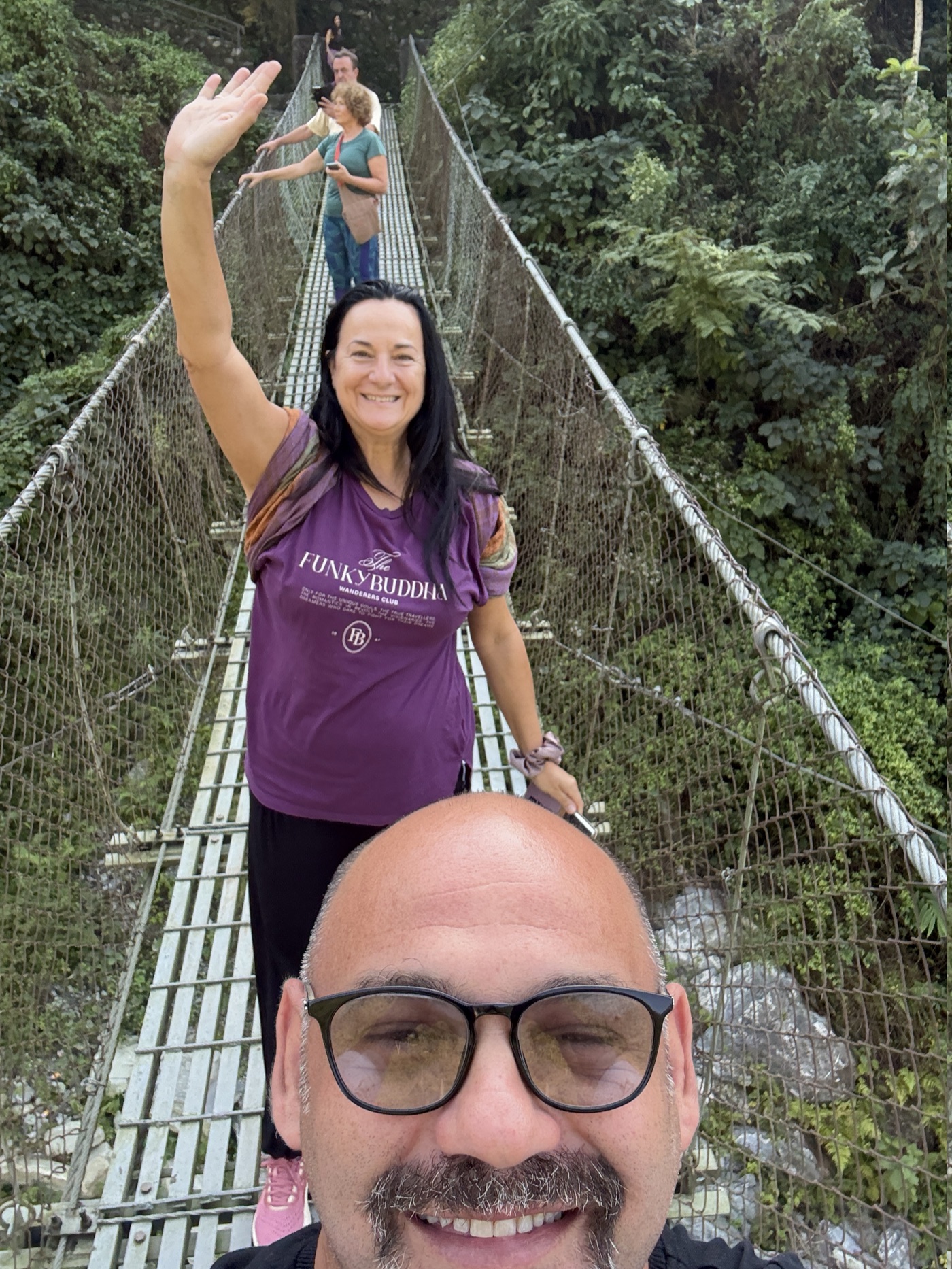
One risk many first-time trekkers underestimate is walking alone, without a guide, on trails they don't know. I don't just mean getting lost — I mean not knowing that a stretch of trail has given way, that a bridge is temporarily closed, that the weather is turning faster than the sky suggests when you set out in the morning. A local guide isn't just company; it's someone who walks the route several times a year and knows what has changed in the last few weeks.
This is no longer just good-practice advice — it's the rule. In most of Nepal's popular trekking regions, independent trekking without a licensed guide has been phased out for years, and in certain restricted areas like Manaslu a guide has always been mandatory. After a year in which entire stretches of road and trail changed within hours, that rule carries even more weight: your guide knows which trails remain exactly as they were and which need caution. If you want to understand how teahouse trekking works and how to choose the right route for you, start with the complete guide to trekking in Nepal.
How to choose a route and company right now
Choosing a route after Rasuwa follows the same logic it always has — it just adds one extra question. First, as always: how much time do you have, what shape are you in, do you want something easy or demanding, do you want the classic Everest experience or something quieter. And now, in addition: you ask your agency directly whether your route passes near or through the affected area, and if it doesn't, you leave it there.
For Everest, Annapurna and Poon Hill, the answer is simple — they don't come anywhere near the Rasuwa zone. For Manaslu, the trek route itself was untouched, but ask your agency about the access road before you book. If you had planned something in Langtang, that's the one trek that genuinely changes plans right now — and the best fix isn't cancelling the whole trip, it's swapping it for one of the other regions, ideally with the same guide.
What it actually means to travel with a local agency
There's a difference between booking a trek through a generic overseas platform and organising it with an agency that has people on the ground, in Kathmandu or Pokhara, right now. A local agency knows which road opened yesterday, which trail has a problem with a bridge, which guide is available and which one has been personally affected by the disaster. That information doesn't sit on any general website — it sits in a phone call to someone who just came down off the mountain.
In practice, that means asking specific questions before you book: what's the current status on my route, what's the alternative if something changes in the days before departure, what's the protocol if we need to change plans mid-trip. A serious agency will answer these without hesitation, because they live it daily. If an agency hedges or gives you vague, generic answers, that's a sign they don't have a real picture of the ground right now.
Insurance with helicopter cover — non-negotiable
Whatever is happening in Rasuwa, travel insurance with altitude cover and helicopter rescue remains the single most important document you carry on a trek. There are no roads for an ambulance in the mountains; in a serious incident, a helicopter is the only option, and without a guarantee of payment from an insurer, the rescue is delayed or never gets off the ground at all.
The point to check carefully in your policy is the altitude limit: many cheap plans only cover trekking up to a few thousand metres, while almost every popular trek in Nepal takes you higher than that. You need explicit wording covering "trekking" as an activity, explicit cover for helicopter evacuation, and an altitude limit above the highest point of your route. How to read the terms and what else your policy should cover, I explain in detail in the guide to travel insurance for Nepal. The cost of the right policy is shaped per traveller and per route.
When you turn back
I'm not a doctor, and I won't tell you what medication to take or exactly when to turn back in medical terms — that's for the dedicated guide to altitude sickness and for your own doctor before you leave. What I can tell you, from years on the mountain, is the logic of the decision: in trekking, descending is never failure, it's the smartest move there is. Your guide has the final word on safety, and if they tell you to go down, you don't negotiate.
The reasons a good guide will change the plan aren't limited to one team member's health. It's also weather turning suddenly, word of a problem on a trail further ahead, a bridge that's no longer considered safe. The same logic applies at the level of the whole trip: if a region is officially closed, you don't look for a way around it — you wait for the official reopening or you change destination. Patience at this point isn't a loss of your trip; it's what keeps treks safe for everyone.
What it costs to travel safely
There's no single figure that answers this question, because the cost of a properly organised trek depends on several things at once: the route, the length, whether you want a private guide or a group, the comfort level of the lodges, and of course insurance with the right cover. What I can say qualitatively is this: whatever raises the cost — a licensed guide, proper insurance, a local agency with an up-to-date picture of the ground — is exactly what raises your safety too.
If you want to see what a properly organised trek includes, start with the trekking guide. For the cost of your own trip, based on the region, season and length you're interested in, ask us for a quote and we'll reply based on the current picture on the ground, not a generic figure that may no longer hold.
My take, from Pokhara
I've lived in Nepal for many years, and every time something serious happens — an earthquake, a flood, political unrest — I see the same pattern: people abroad cancel trips to regions that have nothing to do with the event, because the image of a disaster grows in the mind until it covers the whole country. My own read, based on what I see on the ground, is that the most responsible stance is neither panic nor indifference — it's precision. Find out exactly what's closed, why, and for how long. Don't put the whole of Nepal in the same basket as one valley.
At the same time, I don't want to leave the impression that outside Rasuwa everything is routine and carefree. Himalayan trekking has always carried risk, and that risk deserves the same respect this year as any other — maybe a little more, given that everyone's attention is on Rasuwa and there's a real chance we get careless about everything else. Good preparation, proper insurance, a licensed guide, confirming the current status before you leave — none of that changes, whatever year it is.
Frequently asked questions
- Yes, in the regions that are open — Everest, Annapurna, Manaslu, Pokhara and Chitwan are all operating normally. The disaster zone around Rasuwa, the Langtang Valley and Gosaikunda remain closed. Beyond that, the same rules apply as always: a licensed guide, proper insurance with altitude cover, and the right season. Confirm the current status in the [living article on the Nepal floods](/en/nepal-plimmyres-2026-taxidi-voitheia/) before you book anything.
- No. They sit in different mountain ranges and different river systems, many tens of kilometres from Rasuwa. The trails, lodges and flights are all running normally. The same is true of the Manaslu Circuit. The one route that genuinely changes plans is Langtang, which remains closed along with Gosaikunda and the Rasuwa district itself.
- In practice, yes. In most popular regions independent trekking without a licensed guide has been phased out for years, and in areas like Manaslu it was always mandatory. Beyond the rule, a local guide knows which trail has a problem right now, what the weather is doing, and when you need to change plans — knowledge no general website can give you.
- Insurance that explicitly covers trekking up to the maximum altitude of your route and helicopter rescue. Many cheap policies cap out lower than the altitude you'll actually reach, which makes them essentially useless in a serious incident. Read the terms line by line before you pay — the details are in the [guide to travel insurance for Nepal](/en/taxidiotiki-asfalisi-nepal/).
- Altitude sickness. Above roughly 2,500–3,000 metres, thin air strains the body no matter how fit you are. It's predictable and manageable when you climb slowly, have an experienced guide alongside you, and know when to turn back. See the full guide to [altitude sickness in the Himalayas](/en/ypsometriki-nosos/) before you go.
- Swap it for Annapurna, Everest or Manaslu, ideally keeping the same guide and the same local agency, so the work stays with people who lost it there. Langtang will reopen once access is restored, but until then it remains closed. Check the current status in the [living article on the Nepal floods](/en/nepal-plimmyres-2026-taxidi-voitheia/).
- Autumn, meaning October and November, remains the best season — not because of Rasuwa, but because the monsoon has retreated, the sky is clear and the trails are dry. The rain-driven landslide risk is far lower than it is in July or August. That was true before 2026 and it stays true after.
Keep reading
Related articles
 Activities
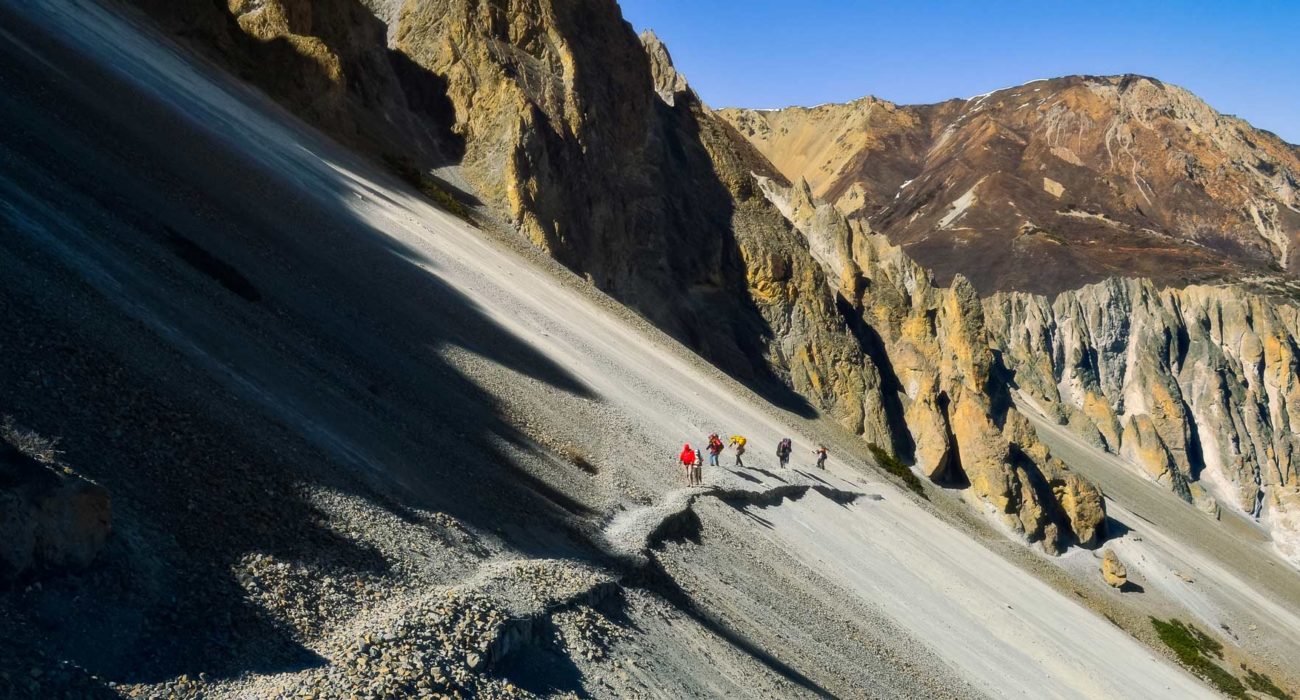
Trekking in Nepal: The Complete Hiking Guide
The definitive guide to trekking in Nepal: teahouse trekking, the main regions, a comparison of the top treks, permits, seasons and how to choose your route.
 Trekking
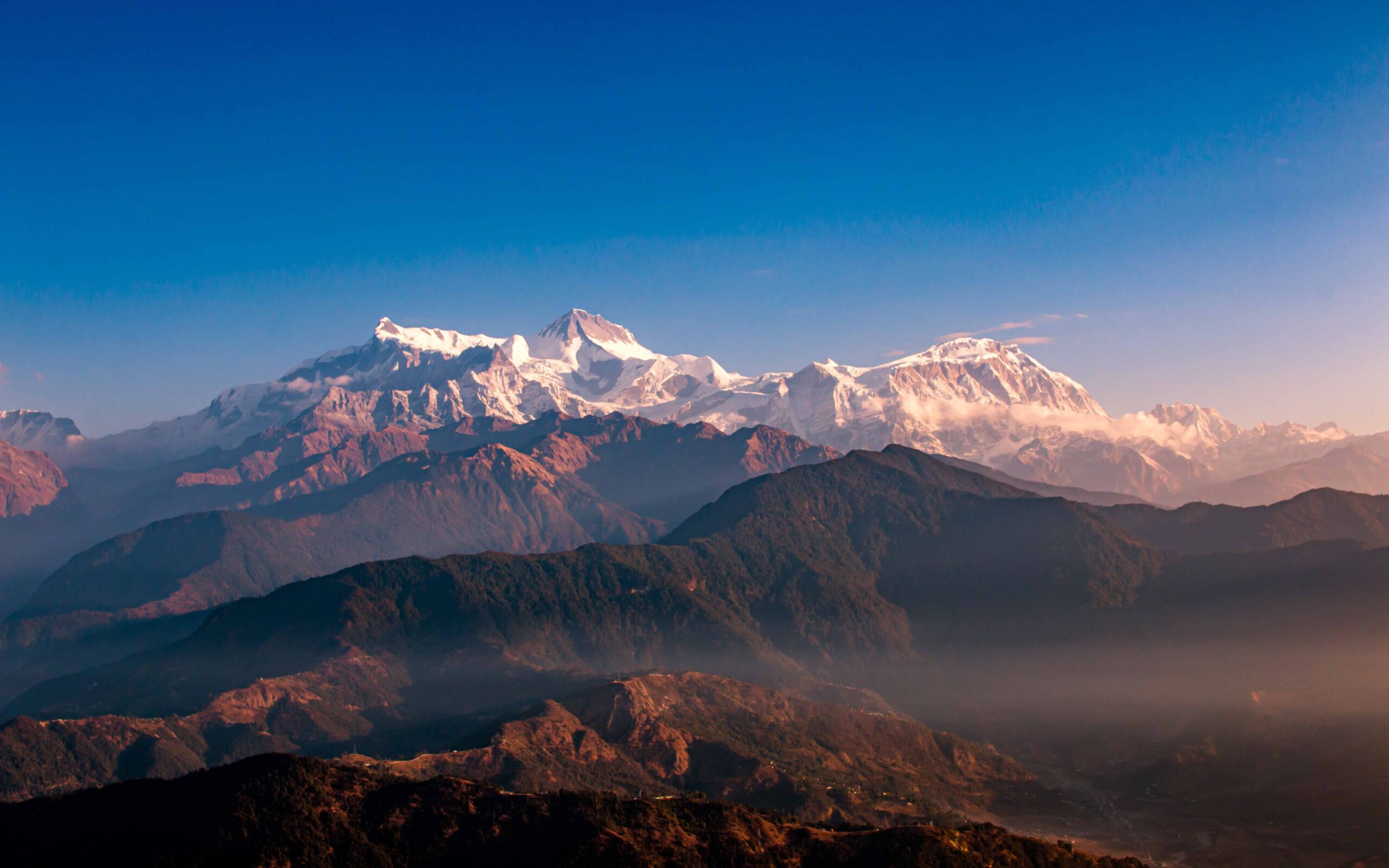
Annapurna: The Complete Trekking Guide to Nepal's Most Popular Region
The Annapurna massif, the top routes (ABC, Circuit, Poon Hill, Mardi Himal, Tilicho), the ACAP permit, seasons, sample itineraries and how to choose.
 Trekking
Annapurna Base Camp Trek (ABC): The Complete Guide
The 'amphitheatre of the gods' at 4,130m: a day-by-day itinerary, difficulty, ACAP permits, seasons and how to combine it with Poon Hill.