
Nepal for the First Time: The Mistakes Almost Every Greek Traveller Makes
This isn't another general guide to Nepal. We've already written in detail about visa, flights, cost and itineraries — if you haven't read those yet, start with the complete Nepal travel guide. This one is more specific: a list of the mistakes I see repeated on almost every first trip to Nepal, and how to avoid them before you even book the ticket.
Most of these have nothing to do with danger, despite what you might expect. Nepal is safe, hospitable and straightforward. The mistakes first-timers make are mostly about mindset: they arrive with a pace and expectations built for a different kind of trip, and then spend the whole time forcing Nepal into that mould instead of letting it set its own rhythm.
We'll go through them one by one: the overpacked itinerary, the wrong pace, distances that look shorter than they are, cash, altitude, temple etiquette, flights with no buffer, and cost assumptions that aren't quite as low as some people think. At the end there's a short checklist to keep it all in one place.
Mistake #1: The marathon itinerary that tries to see everything
The most common mistake usually starts at home, in front of a laptop, long before departure. You see photos of Kathmandu, Pokhara, Chitwan and Everest Base Camp, and decide to fit them all into ten days. On paper it looks doable — four destinations, a few days each. In practice, Nepal doesn't work that way.
The problem isn't distance in kilometres, it's the mountain roads, the weather that delays domestic flights, and the acclimatization days a trek needs if altitude enters the picture. A ten-day trip combining Everest, Chitwan and Pokhara leaves zero margin for error — and Nepal, especially in the mountains, almost always hands you some surprise.
The fix isn't to shrink your ambitions, it's to choose depth over breadth. Two or three destinations with real time in each beat four destinations rushed through. To see how a realistic plan is built around the days you actually have, look at the ready-made 7, 10, 14 and 21-day itineraries — they show clearly how much the plan shifts depending on what you cut.
Mistake #2: Bringing a European pace with you
The second mistake is more subtle but just as common: arriving in Nepal with the pace you're used to in Athens or any European capital. Meetings on time, buses leaving exactly when the ticket says, flights landing on schedule. In Nepal, these are the exception rather than the rule.
I've seen plenty of first-timers arrive with a schedule locked down to the hour, as if it were a city break in Rome, and by the third day their stress has climbed simply because something ran late — a flight, a bus, an order at a restaurant. The takeaway isn't that something is going wrong; it's that time here moves differently, and the sooner you accept that, the easier the trip gets to enjoy.
In practice, that means leaving slack in your plan, not booking activities hour-to-hour, and treating it as normal that a transfer might take longer than the paper says. It isn't pessimism, it's realism — and it helps more than any piece of gear on your packing list.
Mistake #3: Underestimating the distances
On a map, Nepal looks small — smaller than Greece with its islands. That confuses a lot of people into assuming transfers will feel Greek-sized too: an hour or two here, an hour or two there. In reality, the terrain changes the equation completely.
The classic Kathmandu–Pokhara route is about 200 kilometres, but by tourist bus it takes 6 to 7 hours because of the mountain road. It's one of the first things that surprises first-timers, especially if they've planned the transfer as if it were a simple hop between two Greek cities.
A domestic flight solves the problem in about 25 minutes, but it costs considerably more than the bus and carries its own weather-related uncertainty. The right question isn't 'how far is it in kilometres' but 'how many hours is it worth sacrificing, and what do I get in return'. See the distances and timings laid out in the ready-made Nepal itineraries before you build your own plan.
Mistake #4: Not carrying enough cash
Coming from a country where cards work almost everywhere, it's easy to underestimate how much Nepal still runs on cash — especially outside Kathmandu and Pokhara. This is one of the mistakes that creates real stress in the middle of a trek, not just an inconvenience.
A few basics worth knowing before you go:
- The visa on arrival is paid in cash US dollars — not card, not euros.
- ATMs are mostly in Kathmandu and Pokhara, with withdrawal limits and a fee per transaction.
- Above a certain altitude on treks, cards almost disappear — everything is paid in cash rupees.
- Prices in the mountains rise the higher you go, so you'll need more cash than your initial estimate.
Mistake #5: Assuming altitude only matters for Everest
One of the most dangerous assumptions you can make is 'I'm not doing Everest Base Camp, so altitude sickness doesn't apply to me.' Even the gentlest, most popular first trek, Poon Hill, reaches 3,210 metres — an altitude at which some people start feeling symptoms, regardless of their fitness level.
The rule you hear everywhere in Nepal, 'climb high, sleep low', isn't a slogan, it's practical guidance: don't raise your sleeping altitude sharply, stay hydrated throughout, and don't try to 'save time' by climbing faster than your body can handle. If serious symptoms appear, the only reliable answer is to descend — not to wait it out.
This isn't something you should judge on your own from an article. Before any trek above roughly 2,500–3,000 metres, talk to a doctor about preventive measures and make sure your insurance covers trekking at altitude and, if needed, helicopter evacuation. It isn't a luxury — it's the one place that shouldn't make it onto your list of things to save money on.
Mistake #6: Etiquette mistakes at temples and monasteries
Nepal is one of the most tolerant places you'll visit — nobody will 'punish' you for a mistake, because they know you're a foreigner. But small etiquette slips are easy to avoid, and the difference in how you're welcomed when you respect them is real. If you want the rules in full, see the guide to Nepal's culture and customs.
The most common mistakes first-timers make:
- Entering a temple or monastery without removing your shoes.
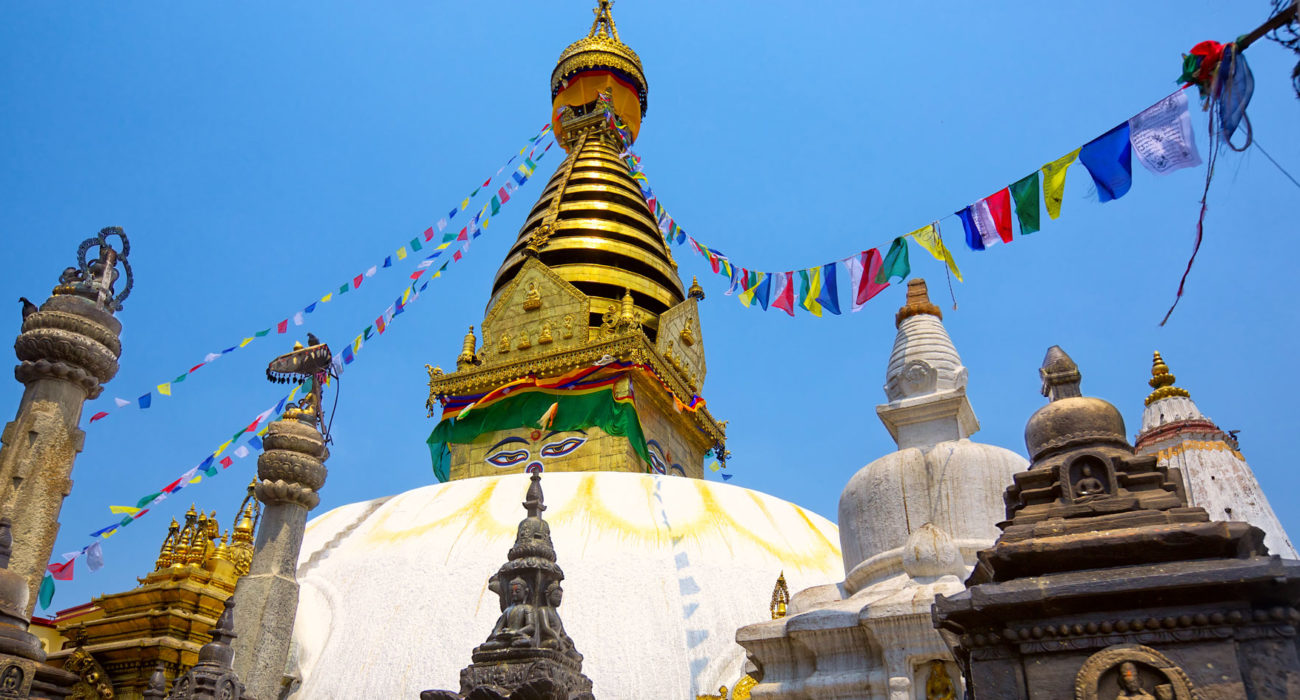
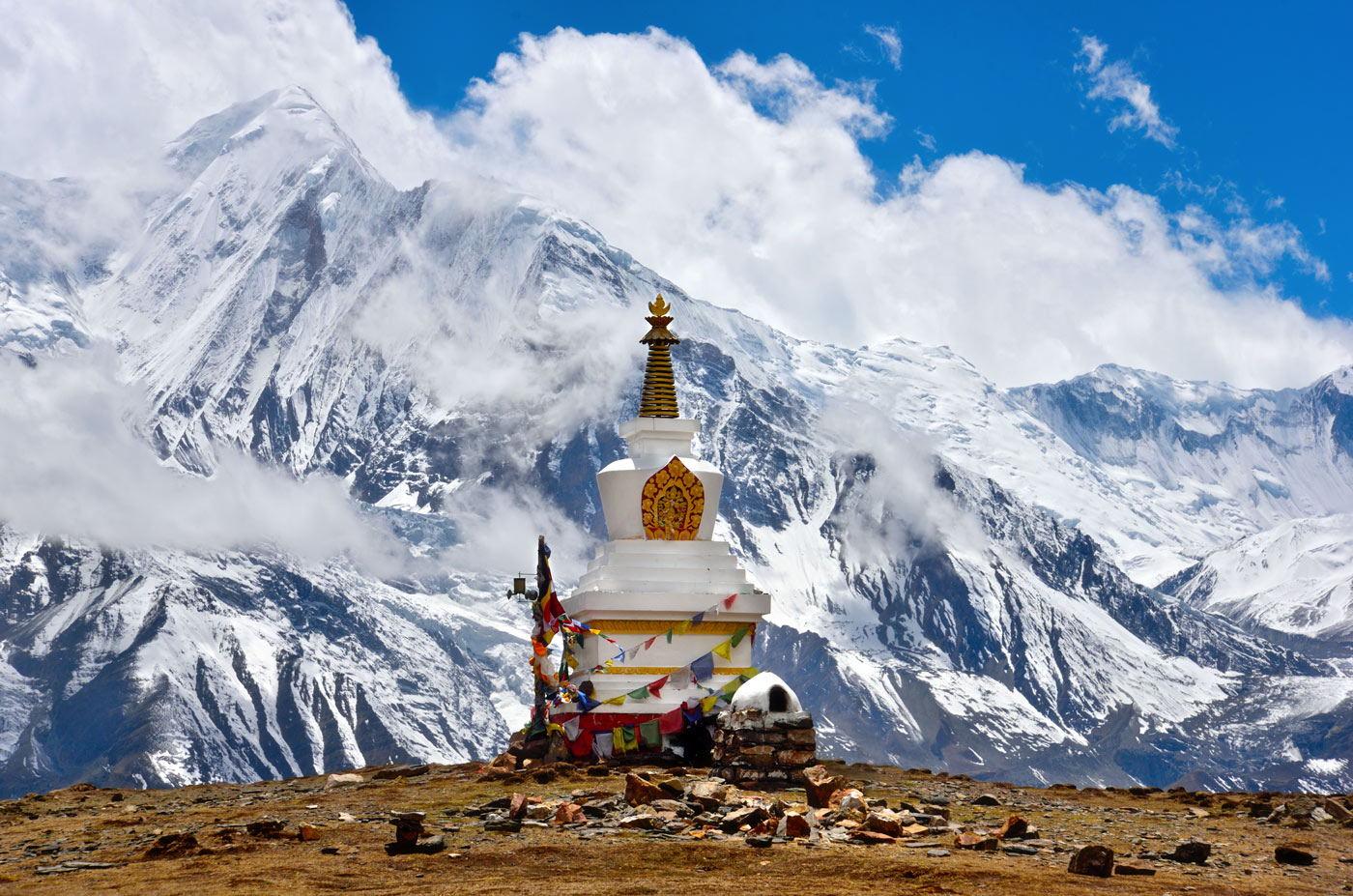
- Walking around a Buddhist stupa counter-clockwise instead of clockwise.
- Photographing people, ceremonies, or the inside of shrines without asking first.
- Pointing at people or statues, or aiming the soles of your feet at someone.
- Wearing short or sleeveless clothing at a temple, even in the heat.
Mistake #7: No buffer day before the flight home
If your trip includes any domestic flight into the mountains — most classically, the flight to Lukla for Everest Base Camp — then leaving zero margin before your flight back to Greece is one of the riskier planning mistakes.
Flights to mountain airstrips get delayed or cancelled because of weather far more often than you'd think, and there's no way to predict it in advance. A trekker who has scheduled their last morning in Lukla on the exact same day as their international departure is taking on a risk they don't need to take.
The rule is simple: leave at least one, ideally two days of margin between returning from a mountain trek and departing Kathmandu. See how these buffer days fit into the Nepal itineraries, especially the plans that include Everest Base Camp.
Mistake #8: New gear you've never tested
A smaller but very common mistake: buying brand-new hiking boots a few days before departure and wearing them for the first time on the actual trek. Blisters on day two can wreck the whole experience, especially with several days of climbing still ahead.
The reverse mistake happens too: carrying full mountaineering gear for a city like Kathmandu, which has mild weather most of the year. If you're not sure what you actually need, Thamel has plenty of shops that rent down jackets, sleeping bags and trekking poles at reasonable prices — better to rent something already tested than travel with something new and untried.
Mistake #9: Assuming everything is dirt cheap
Nepal has a reputation as an extremely cheap destination, and broadly that's fair — a meal or a teahouse bed costs far less than you'd expect. The mistake is carrying that logic across the entire trip without exceptions.
The flight from Athens is the big, fixed cost that doesn't shrink just because Nepal is cheap on the ground. A proper trek with a guide, permits and lodging also has a real cost, and hunting for the absolute cheapest option — no guide, no proper insurance — is exactly where it isn't worth cutting corners.
To understand what shapes the cost of a trip in your own travel style, the detailed Nepal cost guide shows clearly where the money goes and where it's worth spending a bit more — especially on insurance that covers altitude and evacuation.
The checklist: what to do differently
If you take one thing from this whole article, let it be this short table. It doesn't replace planning, but it's a good final check before you book the ticket.
If you only take three of the nine, take these: altitude and the insurance that covers it, because that's where your health is on the line; and the buffer day before your return flight, because that's where whether you catch your flight home at all is on the line. The rest make the trip smoother — these two can save it.
| Mistake | Do this instead |
|---|---|
| Marathon itinerary with four destinations | Pick two or three, with real time in each |
| European city-break pace | Leave slack, don't lock in hour-by-hour plans |
| Underestimating distances | Plan around hours, not kilometres, on mountain roads |
| Too little cash | Withdraw enough dollars/rupees before heading into the mountains |
| Ignoring altitude on treks above 2,500–3,000 m | Same caution, same acclimatization, even on Poon Hill |
| Etiquette mistakes at temples | Shoes off, walk clockwise, ask before photographing |
| No buffer day before your flight home | Add a buffer after every mountain flight |
| "Everything is cheap, so I'll cut corners" | Invest in a guide, permits, and insurance that covers trekking |
Frequently asked questions
- The overpacked itinerary — trying to fit Kathmandu, Pokhara, Chitwan and a major trek into just a few days. Nepal has mountainous distances and unpredictable weather, so a tight schedule falls apart at the first delay. Fewer destinations with real time in each works far better.
- You need a fair amount of cash, especially once you leave Kathmandu and Pokhara. The visa is paid in cash dollars, ATMs are scarce outside the big cities, and in the mountains everything is paid in rupees with no card option. Withdraw enough cash before heading up on a trek.
- Yes, if your destination goes above roughly 2,500–3,000 metres, even on a gentle trek like Poon Hill (3,210 m). It has nothing to do with your fitness level. Talk to a doctor before you go about preventive measures and make sure your insurance covers trekking at altitude.
- It's doable if you cut something — usually Chitwan or a longer trek — and leave at least one buffer day before you fly home. Trying to fit everything into 10 days with no gaps is the most common reason a first trip ends up feeling like a sprint instead of a holiday.
- Because flights to and from Lukla are frequently delayed or cancelled due to weather, without warning. If you schedule your last trek day on the same day as your international flight, you risk missing it. One, ideally two, buffer days solve the problem.
- Walking in with shoes on, circling a stupa counter-clockwise instead of clockwise, photographing without asking permission, and pointing at people or statues with your finger. None of these are disasters, but together they shape how warmly you're received.
- Daily living costs are genuinely very low, but the flight from Greece and a properly organised trek with a guide, permits and insurance carry real cost. The mistake is expecting zero cost everywhere and cutting corners exactly where it isn't worth it.
Keep reading
Related articles
 Articles
The biggest help you can give Nepal is to visit
On 26 August 2026 a piece of mountain turned into water and took villages, bridges and more than a thousand lives with it. I have lived here for fifteen years. Here is what happened, what is open, how you can help today, and why your trip in October is the biggest help of all.
 Info
InfoWhat Is the Climate Like in Nepal?
Everything about Nepal's climate — four seasons, three climate zones, temperatures by region and when the sky is clear for the Himalayas.
 Info
InfoThe Best Time to Visit Nepal
When should you travel to Nepal? A decision guide by activity — trekking, safari, culture — with a table, crowds, prices and festivals.