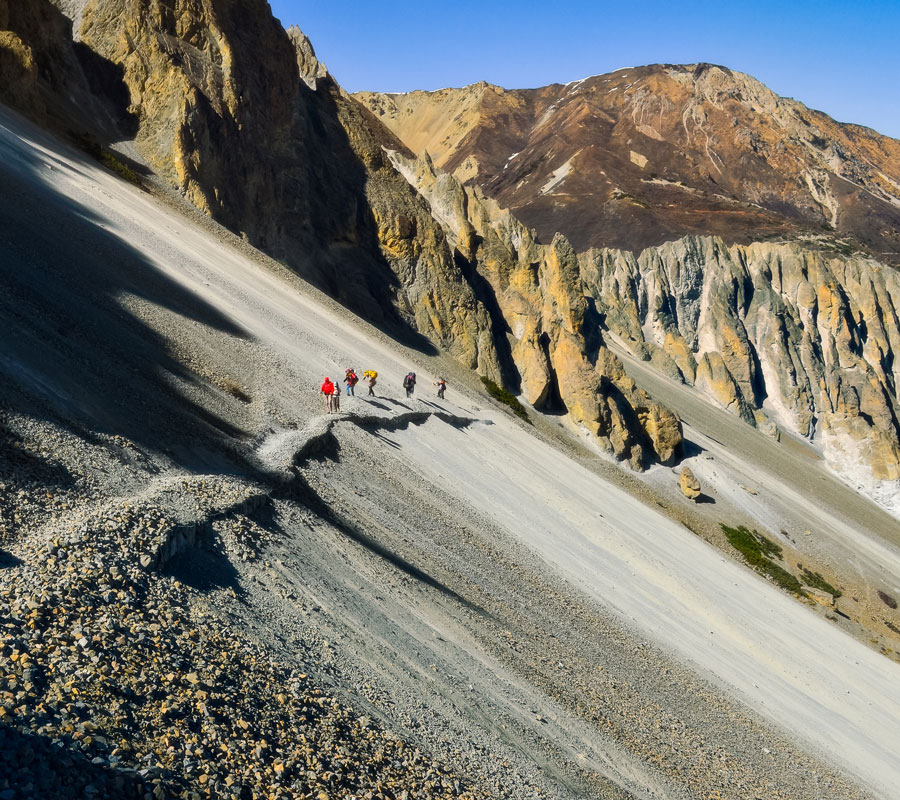
Upper Mustang is not just another Himalayan trek. It is a dry, red-and-ochre valley tucked behind the Annapurna and Dhaulagiri ranges, where life feels closer to Tibet than to the rest of Nepal: whitewashed chortens, long mani walls, monasteries built of mud and timber, and villages set in barley fields among wind-sculpted cliffs.
This is the former kingdom of Lo, and its walled capital is Lo Manthang. Because the area is a sensitive border zone and culturally fragile, it is a restricted area. You do not simply turn up as you would in Annapurna, buy a permit and shoulder a pack. It takes planning, and planning is exactly what this guide covers.
You will not find a copy of the general permit guide here. The full permit framework lives in a separate article, and I will point you to it. This piece is about your own Upper Mustang trip: what the region asks of a visitor, what choices you have for getting around, when it makes sense to go, and how to behave in a place that still runs on its own rhythm.
Why Lo is unlike other treks
The people of Lo, the Loba, speak a Tibetan dialect and follow Tibetan Buddhism. Lo was an independent kingdom for centuries, controlling a stretch of the salt and wool trade between Tibet and the plains of India. That history shows everywhere: in the red, white and grey monasteries, in cave dwellings cut high into cliff faces, and in palaces with flat roofs.
What strikes me every time is that Upper Mustang has no single big moment like a pass or a summit. Its value builds up by accumulation: a village, a monastery, a conversation with an elder, an evening with wind whistling at the windows. If you want altitude adrenaline, you may be disappointed. If cultures draw you, you will find something rare.
Landscape and culture are woven together. The region sits in the rain shadow, so it is arid and full of eroded formations. Water is precious, and every green strip shows where irrigation channels have been maintained for generations.
A restricted area: what it means in practice
The Upper Mustang permit is not something you collect at a counter as an individual. It is arranged through a registered Nepali agency, for specific dates, with a licensed guide. Under the rules as they stand, a minimum group of two people is also required. Because rules and fees change, confirm everything before you book, and ask your agency to show you exactly which documents are being issued.
Besides the restricted permit, the route passes through the Annapurna conservation area, so a separate entry fee applies. I will not write amounts, because they vary by period and by trip. For the full permit system by region, see the guide to trekking permits in Nepal.
Two practical points. The permit has a fixed window of days, so if you are delayed by weather or a closed road, ask what applies to extra days. And at the Kagbeni checkpost your passport and papers are inspected, so keep originals and copies easy to reach.
Access: from Pokhara to Kagbeni and Lo Manthang
The usual starting point is Pokhara. From there you reach Jomsom either by flight, which depends on weather and wind, or by road, a long and rough ride along the Kali Gandaki. From Jomsom you continue north to Kagbeni, the gateway to the restricted zone, where Upper Mustang effectively begins.
The key planning principle is to leave slack. Flights to Jomsom are frequently cancelled when afternoon winds rise or cloud drops, and roads can be hit by landslides. If your international flight home leaves within hours of your last scheduled day, your trip is fragile. Add buffer days.
If you want to see how Mustang combines with other routes in the region, take a look at the Annapurna Circuit, which shares the same corridor around Muktinath and Jomsom.
Jeep versus trek: which suits you
Upper Mustang used to be purely a walking destination. Today a dirt road reaches Lo Manthang, and that changed the game. You can travel the whole route by jeep, walk only some sections, or keep the classic trek along the alternative trails that stay away from the road.
My honest view is that walking gives you more, but a jeep is not a wrong choice: it suits people with limited time, limited stamina, or those who want to focus on villages and monasteries. The trade-off is dust, bumpy-road fatigue and a weaker sense of distance. A mix, walking selected stretches, is often the best balance.
Whichever you choose, the price will not be the same: it depends on duration, transport type, group size and the level of lodging. For a sense of how to think about cost, see the cost of a trip to Nepal.
| Criterion | Jeep | Trek | Combination |
|---|---|---|---|
| Time | Fewer days | More days | In between |
| Acclimatisation | Steeper gain in altitude | More gradual | Good if planned well |
| Contact with villages and landscape | Moderate, with dust | Maximum | Very good |
| Fitness required | Low | Moderate to good | Moderate |
| Flexibility | Affected by roads and weather | Affected by weather | You have a fallback |
Season: when to go
Upper Mustang has the advantage of not receiving the full monsoon, which is why summer months can work here, provided the southern roads and flights hold up. Spring and autumn usually offer the most comfortable conditions, with dry air and clear light, while winter is very cold and many lodges close.
Wind is a permanent character of the Kali Gandaki valley: mornings are calm, afternoons strong. Plan your long walking days early. There are also local festivals, such as Tiji in Lo Manthang, which draws visitors, but dates follow the lunar calendar and shift. Confirm them before committing, and expect lodging to fill up then.
For the general logic of the seasons and how they affect crowds, weather and availability, see the best time to visit Nepal. It explains why Mustang appears as a monsoon alternative.
Altitude: less dramatic, but real
Lo Manthang sits at around 3,800 metres and some passes and walking points go higher. This is not an extreme-altitude expedition, but it is a height where altitude sickness can appear, especially if you arrive quickly by jeep from low ground. The road hides exactly this problem: you climb without feeling it.
The conservative rule is gradual ascent, steady hydration, a calm pace and honesty about symptoms such as persistent headache, nausea or dizziness. If they worsen, the right move is to stop climbing and tell your guide. Questions about medication or personal risk belong with a doctor before the trip, not with a travel guide.
Make sure your insurance covers trekking at altitude and emergency evacuation, and know where the nearest health post is. In Mustang, facilities are limited and distances are long.
Lo Manthang and the villages on the way
Lo Manthang is a walled town of narrow lanes, three main monasteries and the old royal palace. The pace is slow and it is worth staying more than one night, to see dusk, morning ceremonies and daily life, rather than a photo stop on the way through.
Along the route you will meet places such as Kagbeni, Chele, Ghami and Tsarang (also spelled Charang), each with its own monastery or ruined palace. The Chhoser caves, carved into the rock, are among the most striking stops. Some monasteries keep set hours, and a few open only when the keyholder is found, which is why a local guide has practical value beyond the permit requirement.
Do not expect luxury: lodging is simple, food is basic, and nights are cold. That is part of the character of the place.
Visiting responsibly
Lo culture is alive, not staged. Monasteries are working places of worship. Ask before photographing inside, especially murals and statues, as it is often forbidden. Dress modestly, remove shoes where asked, and keep chortens and mani walls on your right, walking clockwise around them, as locals do.
Water and firewood are scarce. Bring a filter or purification tablets instead of plastic bottles, carry out your rubbish, and go easy on hot water where fuel is hard to come by. Buy local products and meals from the lodges where you stay so your visit remains in the community.
Do not hand out sweets or money to children and do not enter homes uninvited. If you want to support something, ask your guide about organised local initiatives. A calm, open attitude opens more doors than any gift.
Cost, group size and how to ask for a quote
Upper Mustang has no single price and I will not give you a number. Cost rises with the restricted permit, the guide, jeep or flight transport, the length, the buffer days and the lodging level. It falls when the group is larger and costs are shared, and when you travel outside peak periods.
It is worth paying more where it makes a difference: an experienced guide who understands altitude and knows local families, enough time in the schedule, and a reliable agency that will support the group if the plan has to change.
If you want a real quote, tell us how many of you there are, which season you have in mind, whether you prefer jeep or trek and how many days you have. Ask us for a quote and we will come back with a programme priced for your own trip.
Frequently asked questions
- Yes. Upper Mustang is a restricted area, and the special permit is issued only through a registered agency, with a licensed guide. The Annapurna conservation area fee also applies. Rules change, so confirm the current requirements with your agency before you book any flights or other non-refundable arrangements.
- Not as an independent traveller. Under the rules as they stand, you need an agency, a licensed guide and a minimum group of two people. If you are travelling alone, ask the agency whether it can pair you with another traveller, and confirm the current policy before you plan.
- Yes, a dirt road now reaches Lo Manthang, so the route can be done by jeep. It suits people with limited time, though the rapid gain in altitude makes acclimatisation more demanding. Many travellers combine jeep travel with walking on selected stretches to get the best of both.
- Spring and autumn usually give the most comfortable and clearest conditions. In summer the region sits in the rain shadow, but flights and roads towards Jomsom can still be disrupted. Winter is very cold and many lodges close. Confirm dates and festivals before booking, as they can shift each year.
- Lo Manthang sits at around 3,800 metres, and some points on the route climb higher. Altitude sickness is possible, especially with a fast jeep ascent. Go up gradually, tell your guide about symptoms promptly, and consult a doctor before travelling about medication or personal health risks.
- There is no single price. Cost is shaped by the restricted permit, the guide, jeep or flight transport, the length, the group size and the lodging. If you want a figure for your own plan, [ask us for a quote](/en/contact/) and we will respond based on your details.
- Ask before photographing inside, dress modestly and remove shoes where asked. Keep chortens and mani walls on your right, walking clockwise. Do not enter homes uninvited, do not hand out sweets or money to children, and carry out your rubbish, because water and fuel are scarce in the region.
Keep reading
Related articles
 Destinations
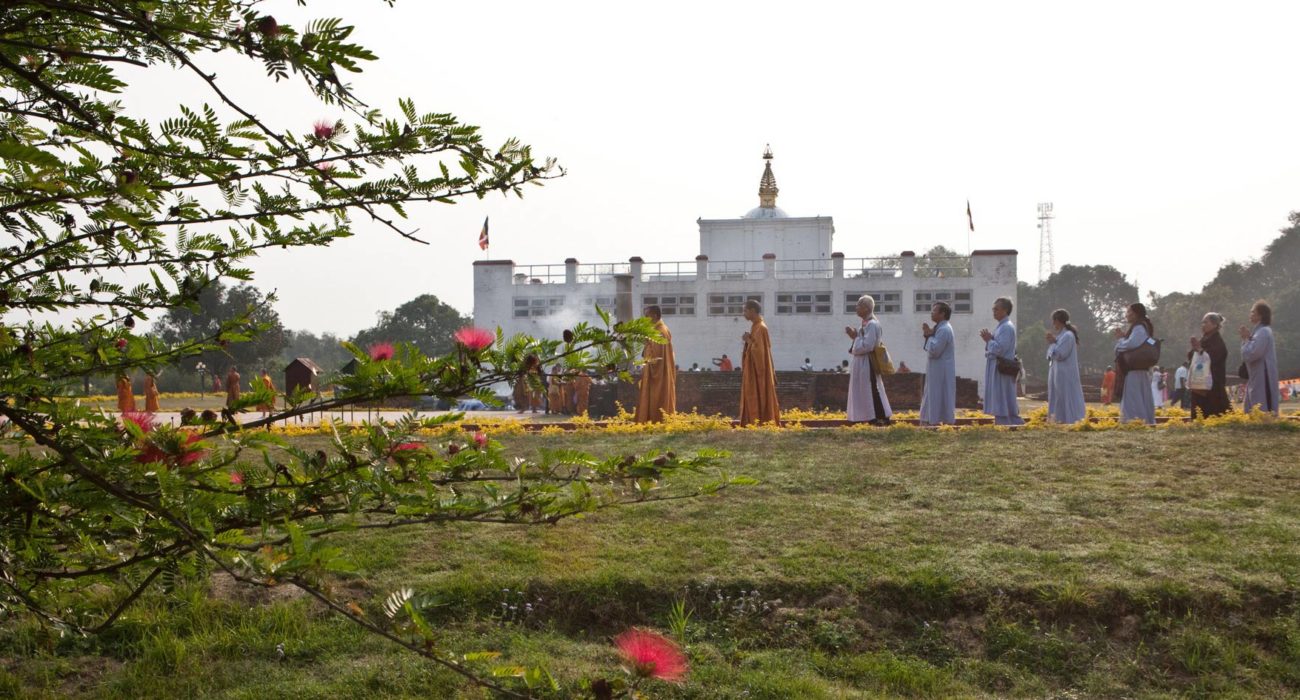
Lumbini, the Birthplace of Buddha
Discover the birthplace of Buddha — the Maya Devi temple, the Ashoka pillar, the international monasteries and everything to see at this sacred site in southern Nepal.
 Destinations
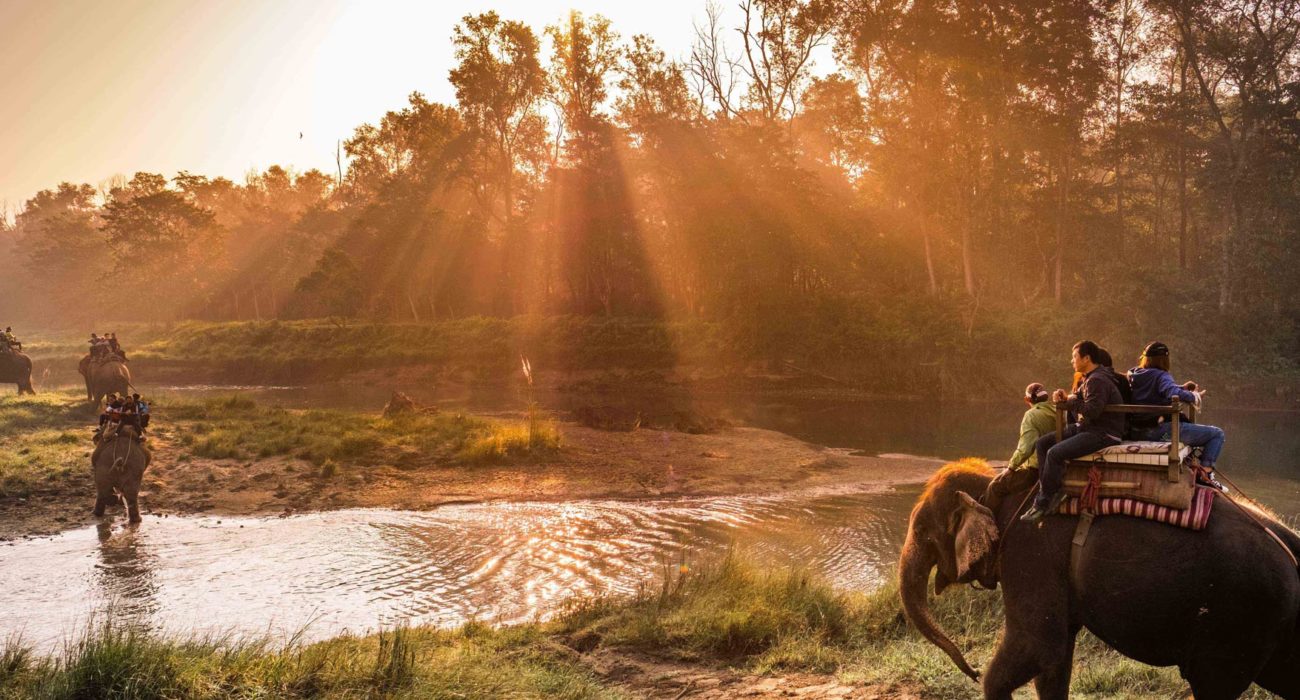
Chitwan National Park
Safaris, tigers and rhinos in Nepal's first national park — a UNESCO World Heritage site in the jungle of the Terai.
 Destinations
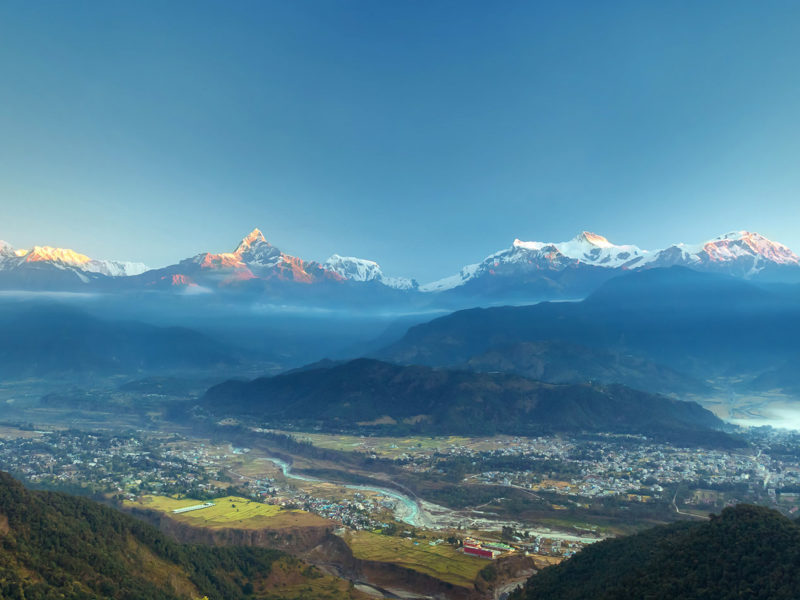
Pokhara, Nepal's Adventure Capital
Pokhara is Nepal's number-one destination for adventure & leisure: Fewa Lake, Lakeside, Sarangkot, paragliding, zipline and the gateway to Annapurna trekking — a full guide with costs in euros and a 3-day plan.