
Nepal Festival Calendar: When the Big Celebrations Happen and How to Time Your Trip
When someone asks me, "When are the festivals in Nepal?", the honest answer is nearly always: all the time. People say the country has more festivals than days in the year, and what I've seen on the ground doesn't contradict it. In every season, somewhere in the valley or a hill village, someone is setting up a procession, lighting lamps or putting red tika on a forehead.
The problem for a traveller isn't finding a festival. It's understanding which ones you can plan around and which will shift by several weeks from one year to the next. Most of the big festivals follow the lunar calendar, so they don't have a fixed date the way Christmas does.
This guide gives you a yearly frame: roughly when each major festival falls, which ones are steadier, what changes in your trip if you land on one, and how to confirm the exact days. You won't find dates set in stone, and that's deliberate. The dates for any given year must be checked against an up-to-date, official source before you book anything.
Why the dates change every year
Nepal uses more than one calendar side by side. There's the international one we all know, there's the official national calendar, Bikram Sambat, which runs about 56–57 years ahead of the Gregorian calendar, and there are the religious calendars, Hindu, Buddhist and Tibetan, which are based on the phases of the moon. Most of the well-known festivals belong to that last group.
In practice, the same festival can fall early in one month one year and several weeks later the next. That's why this article gives month windows rather than exact days. If you see a date stated with total certainty somewhere, check which year it applies to and where it came from.
Some festivals follow the sun rather than the moon, such as the midwinter Maghe Sankranti and the Bikram Sambat New Year in mid-April. They move far less, so you can plan around them more comfortably, though a check is still worthwhile.
The yearly calendar at a glance
The table below is an orientation map, not a schedule. The periods are indicative, and the last column shows how safe it is to build plans on a festival before you've seen the official date for your year.
Read it as the flow of the year, from January to November. Where you see two months, the festival can land in either one, and the festivals marked as fairly steady are the safest to build a first plan around.
| Festival | Roughly when | Character | How fixed |
|---|---|---|---|
| Maghe Sankranti | Mid-January | Start of a new month, ritual bathing, traditional sweets | Fairly steady, solar |
| Losar | February or March | Tibetan New Year, mainly Boudhanath and mountain communities | Moves, lunar |
| Maha Shivaratri | Late February or early March | One night of vigil at Pashupatinath | Moves, lunar |
| Holi | February or March | Festival of colours | Moves, lunar |
| Bikram Sambat New Year and Bisket Jatra | Mid-April | National new year, big procession in Bhaktapur | Fairly steady |
| Buddha Jayanti | April or May, full moon | Birth and enlightenment of the Buddha, Lumbini and stupas | Moves, lunar |
| Gai Jatra, Janai Purnima, Teej | August and early September | Monsoon festivals: remembrance, sacred threads, a women's festival | Move, lunar |
| Indra Jatra | September | Great festival of the valley, the Kumari appears | Moves, lunar |
| Dashain | September or October | The country's biggest festival, fifteen days | Moves, lunar |
| Tihar | October or November | Festival of lights, five days | Moves, lunar |
Autumn: Dashain and Tihar
If Nepal had one national festival, it would be Dashain. It lasts fifteen days, celebrates the goddess Durga's victory over evil and marks the big family reunion of the year. People return to their villages, elders bless the young with red tika on the forehead, and kites fill the sky.
That has consequences for you. At the peak many shops and offices close, buses and flights fill with locals on the move, and services run at a different pace. It isn't a problem as long as you've anticipated it: travel within the country needs a buffer, and it's best secured early.
A few weeks later comes Tihar, the festival of lights. Five days of lamps and candles in homes and shops, honour to crows, dogs and cows, and Bhai Tika between siblings. To me it's the warmest, most photogenic moment of the autumn. Autumn is also the most stable weather window for trekking, as we explain in the guide to the best time to travel to Nepal, so travellers concentrate there.
Winter: from Maghe Sankranti to Shivaratri
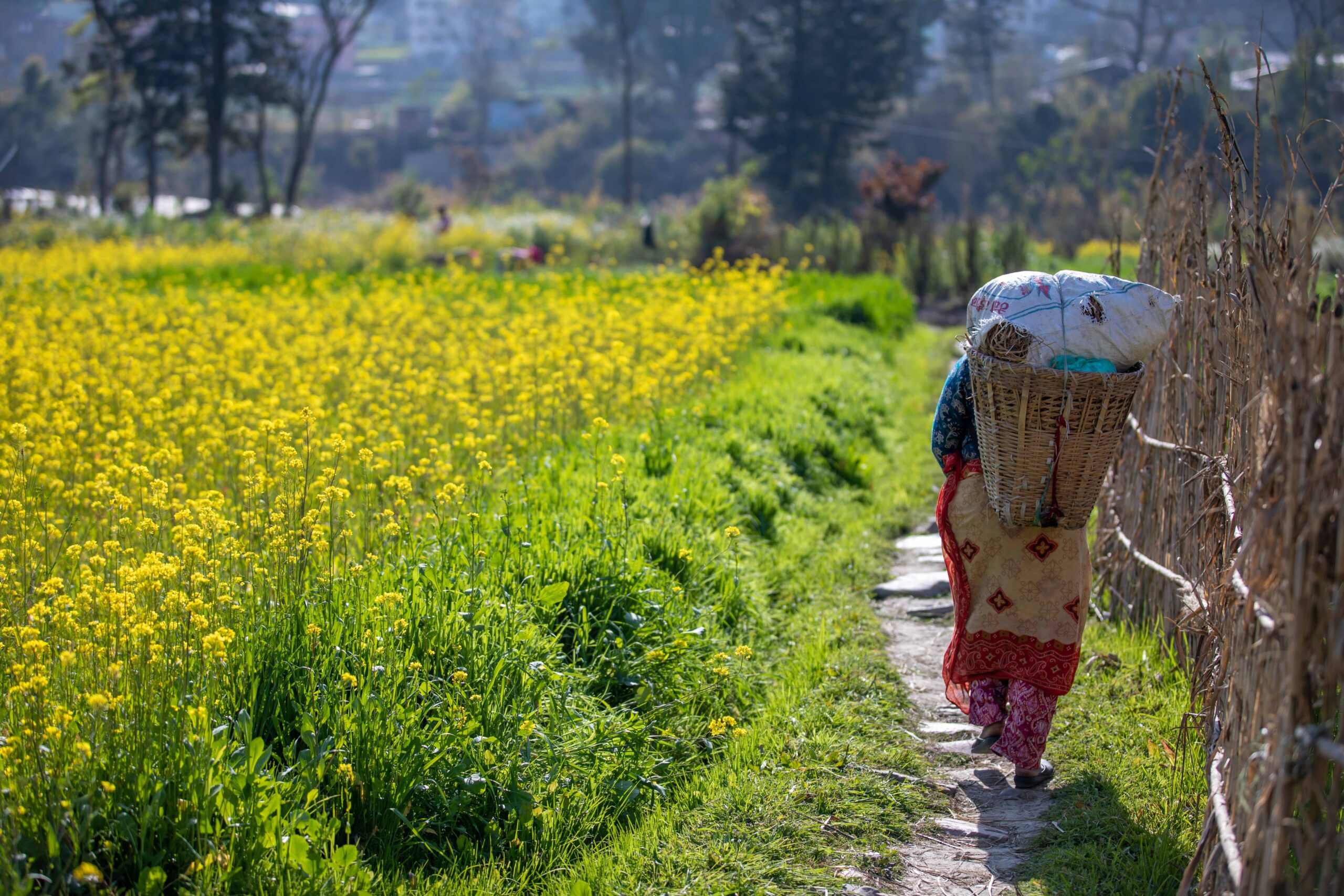
Winter opens with Maghe Sankranti in mid-January, the first day of the month of Magh. It's a family festival with ritual bathing in rivers and traditional foods, without the crowds of the big ones. Around the same time the mustard fields are in bloom, which you can read about in the piece on Nepal's mustard season.
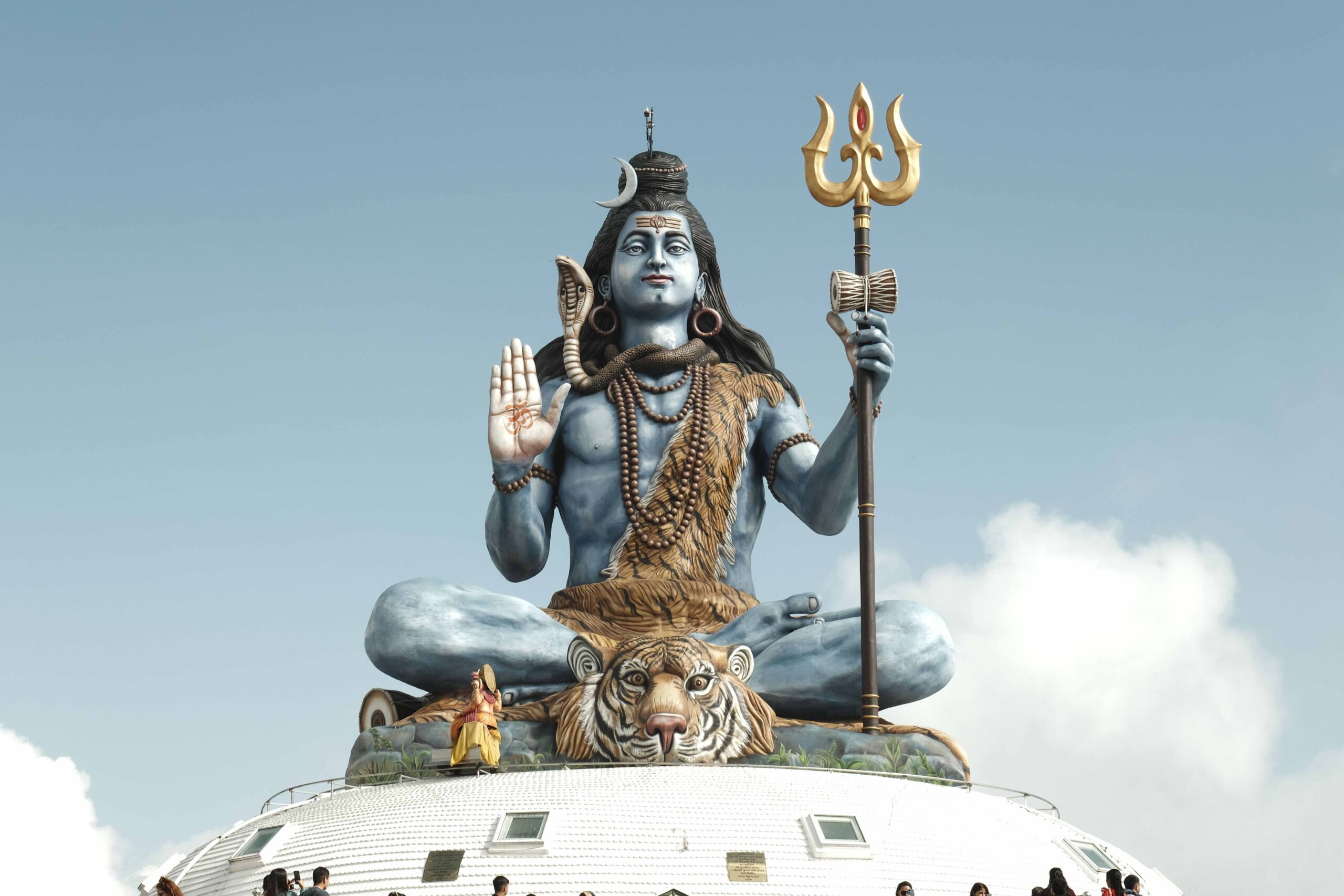
Toward the end of winter comes Losar, the Tibetan New Year, which you'll feel most around Boudhanath and in high-mountain communities. Around the same weeks, sometimes before and sometimes after Losar, falls Maha Shivaratri, usually in late February or early March. It's one night, not a multi-day festival, and Pashupatinath fills with pilgrims and ascetics. To understand what actually happens there, read Shivaratri in Nepal.
Winter has a practical advantage: usually fewer people at the ordinary sights, except on the days of big rituals. The one thing to watch is the cold at night, especially at open-air vigils, where layers matter.
Spring: Holi, New Year and Buddha Jayanti
Holi, known in Nepal also as Fagu Purnima, falls around the same time as Shivaratri and welcomes spring. The streets fill with coloured powder and water and the mood is playful. Don't wear clothes you love, keep your phone and camera in a protective case, and respect anyone who doesn't want to join in.
In mid-April comes the Nepali New Year of Bikram Sambat, and with it the Bisket Jatra in Bhaktapur, a multi-day procession with huge wooden chariots that is worth it if you enjoy the traditional festivals of the Newar. Because it follows a solar calendar, it's among the more predictable ones.
In April or May, on the full moon, Buddha Jayanti marks the Buddha's birth, enlightenment and death. Lumbini, Swayambhunath and Boudhanath have a special atmosphere then, with offerings, processions and many pilgrims. It's a calmer, more reflective festival than a noisy one.
Monsoon: the festivals most visitors miss
Summer is the season travellers avoid because of the rains, and perhaps that's why the monsoon festivals remain so little known. At Gai Jatra, mainly in the Kathmandu Valley, families who lost someone during the year walk in procession with cows or with children dressed as cows, and the festival also has a light, satirical side.
Janai Purnima is the day when men who wear the sacred thread (janai), mainly Brahmin and Chhetri, replace it, and many people tie a yellow thread around the wrist. Teej is mainly a women's festival, with red clothes, songs, dancing and fasting. You'll see it in temple courtyards and on riverbanks.
At the start of autumn, often in September, comes Indra Jatra, with masked dancers and the procession of the living goddess Kumari in Kathmandu. For this and the other valley festivals there's more context in the guide to Nepal's culture and customs.
How to confirm the exact dates
The right order is simple. First you pick the season and the festival you care about, using the window in the table. Then you check the date for that specific year in an official or reliable Nepal festival calendar and, for a religious ceremony, in the announcement of the temple or community itself. When the trip is close, you ask a local person to confirm.
Two cautions. First, some festivals begin or end on different days depending on tradition or local community, so a single "date" may mean the peak rather than the whole duration. Second, public holidays declared by the state can change or be added, so "the shops will be closed" also needs a check close to the date.
There's no need to be anxious. A small deviation won't ruin a trip if you keep a buffer of a day or two around the moment you want to see.
What changes in your trip if you land on a festival
Festivals give a trip its soul and also make it more demanding. The cost of building a programme depends on the season, demand, transfers and how early you book. In busy periods, accommodation and domestic flights fill first and flexibility shrinks. I'm not writing numbers here because the price is shaped per trip and shifts with the dates; if you want a concrete picture, ask us for a quote.
Practically, keep the schedule looser. Don't put a tight flight connection on the same day as a major ceremony. Allow for roads around central temples closing or filling up, and for a normally short transfer taking longer.
And a personal judgement, from what I've seen on the ground: the best moments at festivals are rarely the "official" ones. They're the tea with a family getting ready, the procession passing down an empty alley, the neighbourhood being decorated the day before. So leave a day before and a day after, not just the peak.
Etiquette on festival days
On festival days the usual rules of respect matter even more, because crowds are bigger and emotions run higher. Clothing that covers shoulders and knees, shoes outside temples and homes, clockwise movement around stupas and temples, and asking before photographing faces are the basics. You'll find them in detail in the guide to culture and customs.
Remember that many ceremonies are acts of worship, not performances. Keep your distance from sacred spots where non-Hindus may not enter, don't touch offerings, and take particular care around cremations, where photography is inappropriate. If someone invites you into their home, accept, but ask how to behave.
For health, safety or access to particular sites, always check official sources and local organisers. In large crowds, keep your belongings close and plan an easy exit.
Which festival suits which traveller
If you want the most intense, most "national" Nepal, autumn with Dashain and Tihar is the answer, provided you accept crowds, closed shops and careful planning. If the spiritual and the extreme draw you, Shivaratri is one of the most powerful experiences, but it demands physical stamina and patience with crowding.
For a joyful, playful mood Holi is ideal, while for a calm, reflective trip spring with Buddha Jayanti suits you better. For those who prefer to avoid crowds but still see something alive, the monsoon festivals and local Newar festivals offer authenticity without the same crush.
Most important is not to chase them all. One festival, with time around it, is worth more than three rushed ones. And before you lock in the ticket, re-check the date for your year, because the lunar calendar doesn't forgive assumptions.
Keep reading
Related articles
 Articles
The biggest help you can give Nepal is to visit
On 26 August 2026 a piece of mountain turned into water and took villages, bridges and more than a thousand lives with it. I have lived here for fifteen years. Here is what happened, what is open, how you can help today, and why your trip in October is the biggest help of all.
ArticlesShivaratri in Nepal: The Great Night of Shiva
Maha Shivaratri at Pashupatinath temple: ash-covered sadhus, all-night fires, chanting and up to a million pilgrims. When it happens and how to experience it respectfully as a traveller.
 Articles
Nepal's Mustard Season: The Golden Fields
Every winter Nepal's countryside turns yellow with blooming mustard fields — when they bloom, where to see them, and why it's a dream for photography.